
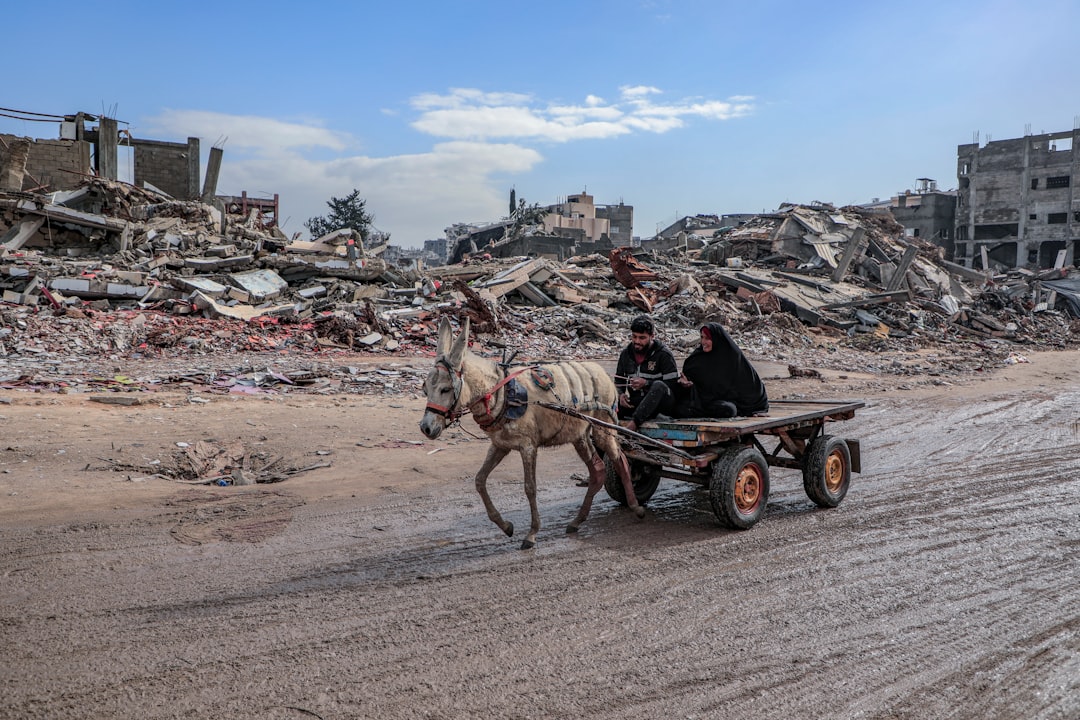
A United Nations roundup of global developments this week pointed to a fragile easing of violence in Lebanon, deepening shortages inside Gaza, and a mounting debt crisis that is eroding the funding many nations rely on for development — a combination that humanitarian advocates warn leaves the most vulnerable populations squeezed from several directions at once.
The brief, published by UN News, again placed conditions in Gaza near the center of the international body's concerns. The reference to shortages underscores a pattern that UN agencies and independent human rights organizations have documented throughout the war: civilians in the territory facing scarcity of food, clean water, medical supplies and other essentials of daily survival. Under international humanitarian law, occupying and warring parties bear obligations to allow and facilitate the passage of relief for civilian populations — obligations that monitors including UN bodies, Amnesty International, Human Rights Watch and B'Tselem have repeatedly said are going unmet.
For readers in Atlanta, the report lands close to home in ways that are easy to overlook. The city is the global headquarters of CARE, one of the world's largest humanitarian organizations, and home to The Carter Center, both of which work on the front lines of food security, displacement and the kind of development financing the UN brief flags as increasingly imperiled. When the United Nations warns that rising debt is choking off development funding, it is describing precisely the financial environment in which Atlanta-based relief institutions must operate — and the shrinking margins they have to respond to crises like the one in Gaza.
The brief's note on reduced violence in Lebanon offers a rare point of relative relief in a region where cross-border escalation has repeatedly threatened to widen. A de-escalation, however tentative, can open space for aid to move and for displaced families to weigh returning home. But humanitarian organizations have consistently cautioned that lulls in fighting do not automatically translate into recovery, particularly where infrastructure, water systems and health facilities have been damaged and where populations remain displaced.
The third strand of the UN report — the way rising debt is impacting development funding — connects the humanitarian and the structural. As governments across the developing world devote a growing share of revenue to servicing debt, less remains for the schools, clinics, water systems and social programs that build long-term resilience. The UN has framed this as a development emergency in its own right, one that compounds the damage when conflict, displacement or disaster strikes. For territories already enduring acute crisis, including Gaza and the broader occupied Palestinian territories, a global funding squeeze narrows the international community's capacity to respond.
Taken together, the three items in the UN News brief sketch an interlocking picture: immediate humanitarian need, an uneven and conditional easing of violence, and a financial backdrop that limits the world's ability to meet that need. Human rights organizations have argued that durable solutions require not only ceasefires but accountability under international law and sustained investment in the civilian institutions that conflict erodes.
The UN News item was published as a brief and did not, in the material available, detail specific figures or named officials for each development. AtlantaStar will continue to follow the humanitarian situation in Gaza and the occupied Palestinian territories, and the global financing trends that shape the response, as fuller reporting becomes available.