
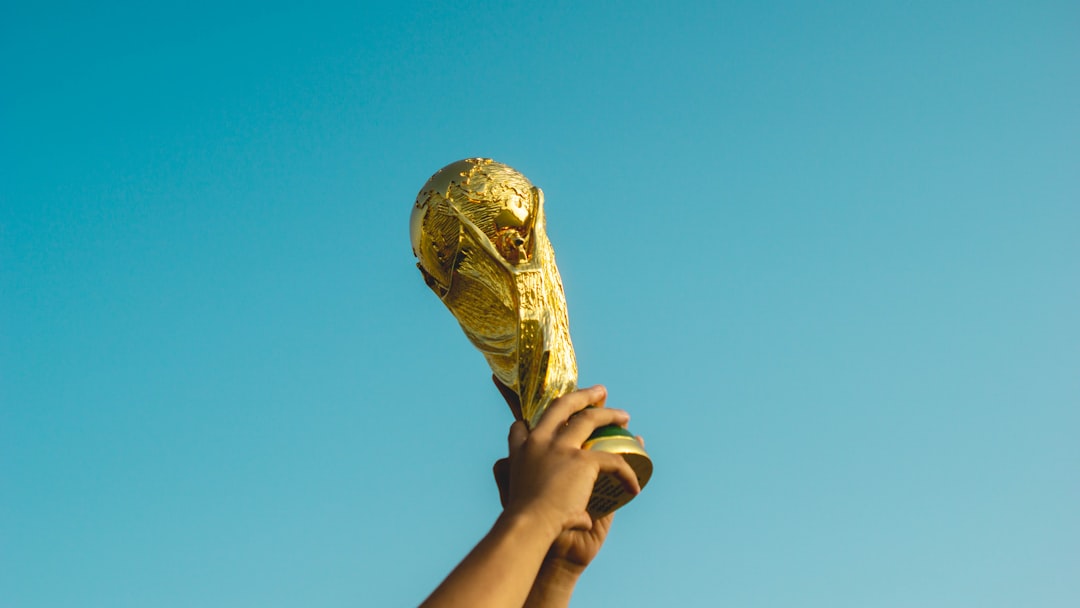
The World Cup has reached its quarterfinal stage, and the field that remains reads like a roll call of the sport's traditional powers. Argentina, Spain, France and England are all still alive, setting up a round of matches that pits elite national programs against one another with a place in the semifinals on the line.
For soccer fans across Atlanta, the timing could hardly be better. The city has spent the past several years cementing its reputation as one of the most passionate soccer markets in the United States, and a quarterfinal bracket loaded with marquee names gives local supporters plenty of reason to fill the bars, living rooms and viewing parties that light up whenever the global game takes center stage.
Each of the surviving nations brings its own pedigree. Argentina remains one of the tournament's most storied sides, a country whose relationship with the sport borders on the sacred. Spain carries the technical, possession-driven identity that has long defined its national team. France arrives with the depth and athleticism that have made it a fixture in the latter rounds of recent tournaments. And England, perennially among the favorites, continues its pursuit of a return to the sport's biggest stage. Together they form a quartet of powerhouses whose presence guarantees high-stakes, high-quality soccer.
That blend of history and firepower is exactly what draws Atlanta's diverse, international community to the screen. The metro area is home to sizable populations with roots in Latin America and Europe, and World Cup season routinely turns neighborhood gathering spots into pockets of national pride. When Argentina plays, when Spain plays, when France or England takes the field, the city's soccer culture becomes impossible to miss.
Atlanta's connection to the world's game runs deeper than fandom alone. The city is one of the North American host sites for the sport's premier international competition, a designation that has poured energy into local soccer infrastructure and raised the profile of the game across Georgia. Mercedes-Benz Stadium, home to Atlanta United and a regular host of major soccer events, has helped establish the city as a legitimate destination for the sport at its highest levels. That backdrop makes the current quarterfinal round feel especially relevant to a community that has embraced soccer as its own.
Atlanta United itself has been central to that transformation. Since its arrival, the club has drawn some of the largest crowds in Major League Soccer, proving that Atlanta's appetite for the game rivals that of far older soccer cities. Those same supporters — many of whom follow both their club and their ancestral national teams — now have a quarterfinal slate worthy of their attention.
The quarterfinals represent the tournament's tightening funnel, the point at which margins shrink and a single result can end a nation's campaign. With Argentina, Spain, France and England all in the mix, the round promises the kind of drama that transcends borders and language. For Atlanta, a city that has worked hard to earn its place in the global soccer conversation, it is another chance to celebrate the sport it has come to love.
As the matches approach, expect the familiar rhythms of a World Cup summer to return to the metro area: flags in windows, jerseys on sidewalks, and crowds erupting in unison whenever the ball finds the net. In a city where soccer has grown from novelty to institution, the powerhouse-laden quarterfinals are must-see television — and a reminder of how far Atlanta's relationship with the beautiful game has come.