
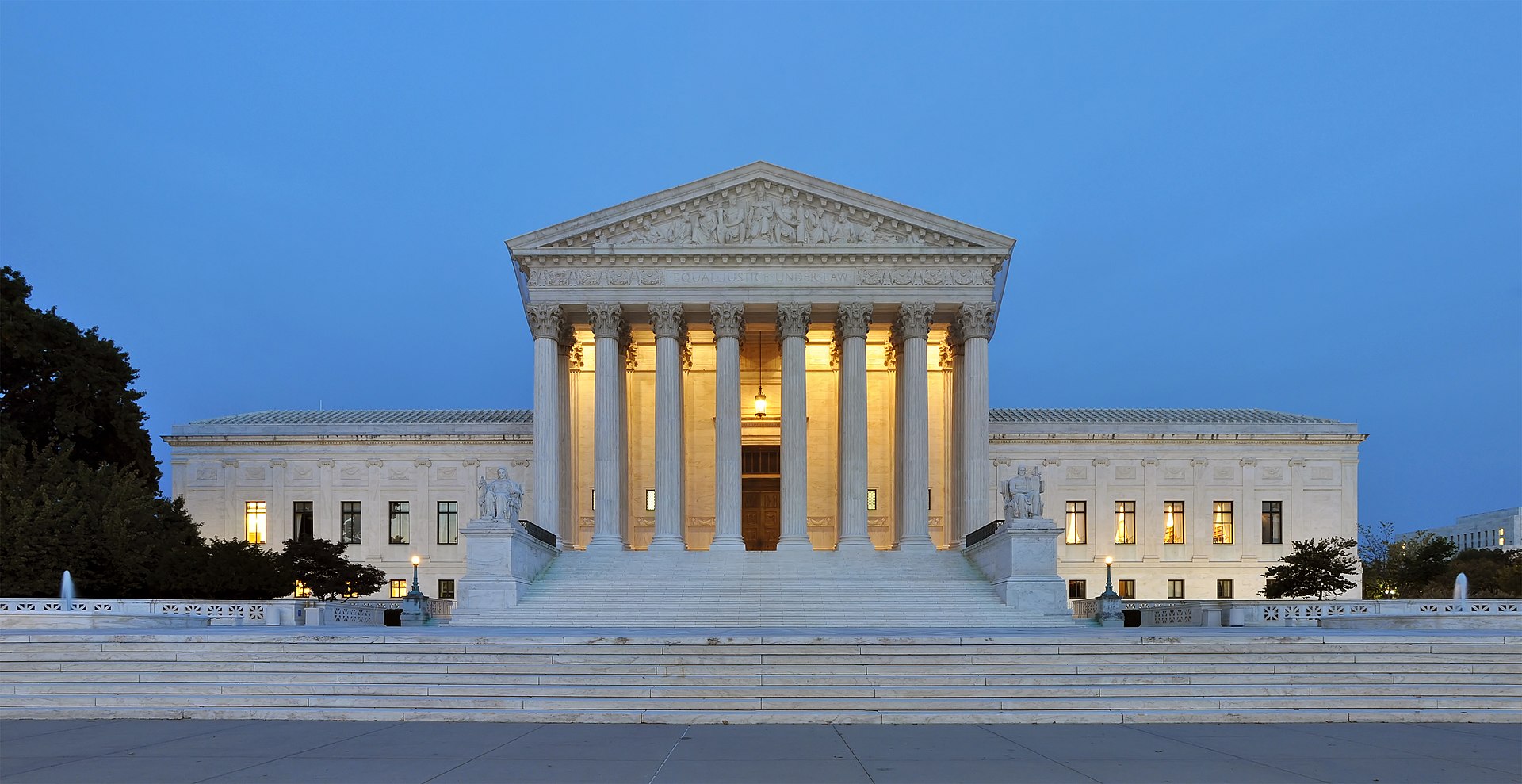
The U.S. Supreme Court has turned away a challenge to a New York law that allows the state and private plaintiffs to bring lawsuits against firearms manufacturers and sellers, leaving the measure intact for now, according to reporting by Reuters.
By declining to take up the case, the justices left the New York statute in place without issuing a ruling on its merits. The decision is not a finding that the law is constitutional; rather, it means the lower-court outcome stands and the gun industry's bid to have the nation's highest court intervene was rebuffed. The practical effect is that New York's framework for holding the firearms industry liable in court continues to operate.
New York is among a handful of states that have moved in recent years to open the courthouse doors to litigation against gun makers and dealers, an arena that has long been shielded by federal law. The industry has argued that such state measures conflict with longstanding protections, and the challenge before the Supreme Court was the latest attempt to short-circuit those efforts before they could be fully tested in the courts. The justices' refusal to intervene keeps that legal battle alive at the state level.
**Why Atlanta should be watching**
The ruling lands in New York, but its significance reaches Georgia. Atlanta sits in a state with some of the most expansive gun-access laws in the country, and Georgia has generally taken the opposite approach from New York — favoring broad protections for the firearms industry and for individual gun owners rather than expanding avenues to sue manufacturers and sellers.
That contrast is exactly why the Supreme Court's posture matters here. Each time the high court declines to strike down a state-level liability law, it signals that the question of how much room states have to regulate and litigate against the gun industry remains unsettled and, for the moment, open. States like New York retain the latitude to experiment with new legal tools, while states like Georgia remain free to chart a very different course. For Atlanta residents, advocates and policymakers, the decision is a marker in a continuing national debate over who can be held accountable when firearms cause harm.
Gun violence is a persistent concern in Georgia's capital, where city officials and community organizations have repeatedly pressed for new strategies to curb shootings. The legal pathways available in a place like New York are not currently available in the same form in Georgia, and the state's political leadership has shown little appetite for adopting them. But the Supreme Court's willingness to let New York's approach survive could embolden advocates who would like to see Georgia or the city of Atlanta explore similar measures — even as it underscores how far apart the two states remain.
**A patchwork of state approaches**
The outcome reinforces a growing reality in American gun policy: in the absence of sweeping federal action, the rules increasingly depend on which state line you stand behind. New York's law lives on; Georgia's protections remain firmly in place. The result is a patchwork in which the consequences of a shooting — and the legal options available to victims and prosecutors — can vary dramatically from one state to the next.
For now, the Supreme Court has chosen not to resolve that tension. By stepping aside, the justices have left the question to the states and to future cases, ensuring that the fight over gun-industry liability will continue to play out in legislatures and lower courts across the country, including in jurisdictions watching closely from the South.
What happens next will depend on whether other states follow New York's lead, whether the industry mounts fresh challenges, and whether the high court eventually decides the issue is ripe for a definitive ruling. Until then, Atlanta and Georgia remain on one side of a deepening national divide.
*Originally reported by Google News — Reuters.*