
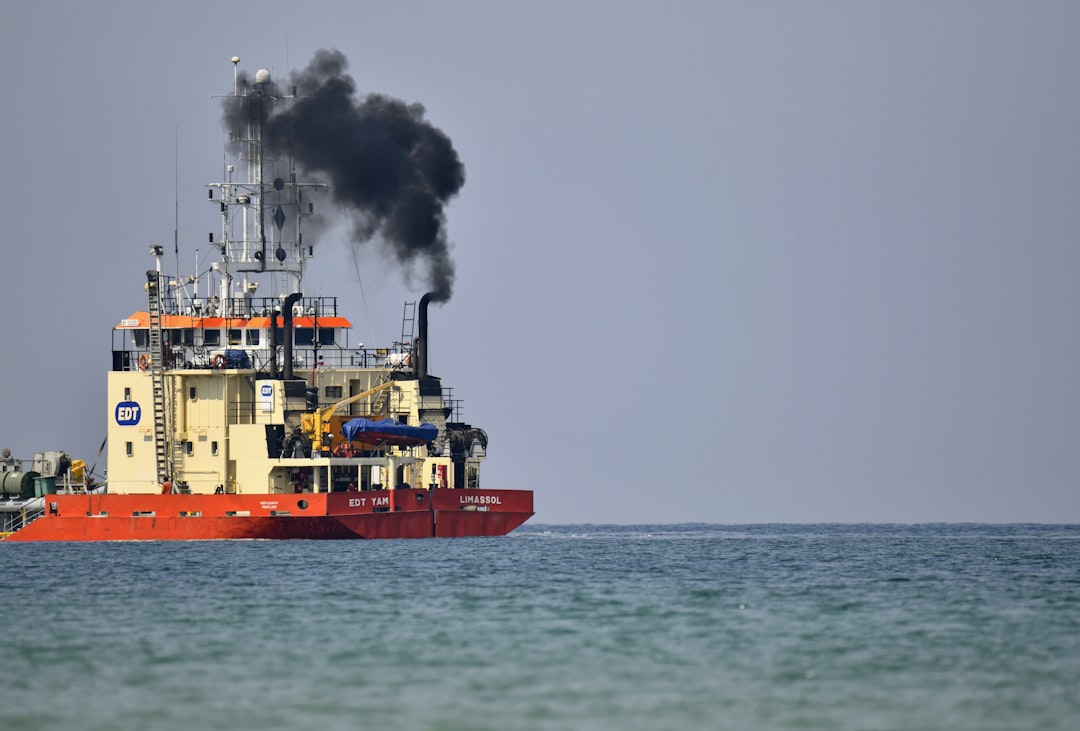
The U.S. military struck three Iranian oil tankers on Thursday in response to an earlier attack on Navy warships in the Persian Gulf, according to a statement from military officials. The retaliatory action marks a significant escalation in the ongoing maritime conflict between Washington and Tehran, with potential ripple effects for oil markets and everyday Americans, including those in Atlanta.
The strikes came after Iranian forces reportedly targeted U.S. Navy vessels operating in international waters, prompting a direct military response. While details on the exact location and timing of the initial attack remain limited, the U.S. move to hit Iranian oil tankers signals a tougher posture aimed at disrupting Iran's petroleum exports, a key source of revenue for the country.
For Atlanta residents, the immediate concern is likely at the gas pump. The Persian Gulf region is a critical artery for global crude oil shipments, and any disruption to tanker traffic—whether from direct strikes or heightened security risks—tends to push oil prices higher. Analysts have previously warned that sustained conflict in the Gulf could add as much as 20 to 30 cents per gallon to gasoline prices in the U.S. within a few weeks. Atlanta, with its sprawling highway network and heavy reliance on personal vehicles, often feels such increases acutely.
Beyond fuel costs, Atlanta's economy is deeply tied to international trade and logistics. Hartsfield-Jackson Atlanta International Airport, the world's busiest passenger airport, and the nearby Port of Savannah—one of the fastest-growing container ports in the nation—depend on stable global shipping routes. While the port itself is on the Atlantic coast, disruptions in the Middle East can lead to rerouting of vessels, delays, and increased insurance premiums for cargo. Atlanta-based companies like Delta Air Lines, Coca-Cola, and Home Depot all have global supply chains that could face higher fuel and shipping costs if tensions persist.
The U.S. military has not yet released a full accounting of damage from Thursday's strikes or indicated whether further actions are planned. Iran has not issued an official statement following the attack, but past incidents have led to tit-for-tat exchanges that risk drawing in regional powers. The Navy has increased patrols in the Strait of Hormuz, a narrow waterway through which roughly 20 percent of the world's oil passes.
Local energy analysts caution that while a short-lived spike in oil prices is possible, the market's reaction will depend on whether the conflict expands. "The Gulf is always on a hair trigger," said one Atlanta-based commodities trader, speaking on condition of anonymity. "If this turns into a prolonged standoff, we're looking at real pain for consumers." The trader stressed that they were not authorized to speak publicly about market forecasts.
Atlanta's congressional delegation has weighed in on prior Middle East flare-ups, with some members calling for de-escalation and others supporting a more forceful response to Iranian aggression. No immediate statements were available from Georgia's senators or representatives on Thursday's strikes.
For now, military officials say the strikes were limited to the three tankers and were designed to send a clear message. "We will not tolerate attacks on our sailors or our ships," a defense official told NBC News. "Iran must understand that there are consequences for its actions."
The situation remains fluid. The U.S. Central Command is expected to provide additional details in the coming hours, and President Biden has been briefed on the operation, according to White House officials. Atlanta residents are advised to monitor gas prices and consider consolidating trips if the conflict continues beyond the next few days.
This is a developing story. AtlantaStar.co will update as more information becomes available.