
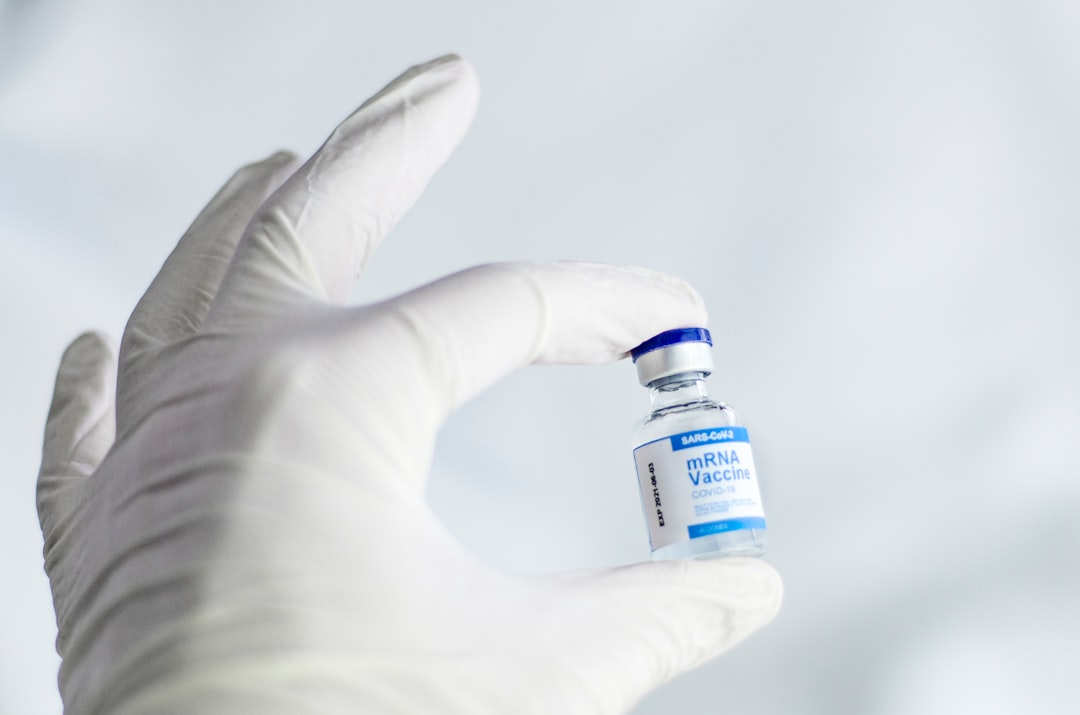
Measles is surging back across the United States, with reported cases reaching their highest level in 35 years, according to reporting by Reuters. The rise is unfolding alongside a steady decline in vaccination rates — a combination that public-health experts have long warned could return one of the country's most contagious diseases to prominence.
For Atlanta, the story hits especially close to home. The U.S. Centers for Disease Control and Prevention, headquartered on Clifton Road in the city's northeast, sits at the center of the national effort to monitor and respond to outbreaks like this one. When measles numbers climb, it is CDC epidemiologists in Atlanta who compile the case counts, coordinate with state health departments, and issue the guidance that shapes how communities respond.
Measles was declared eliminated in the United States in 2000, meaning the disease was no longer continuously spreading within the country. Reaching a 35-year high marks a striking reversal of that milestone. The virus spreads through the air and is among the most transmissible known to medicine — a single infected person can pass it to a large share of unvaccinated people they come into contact with. That transmissibility is precisely why high vaccination coverage matters: the disease finds and moves quickly through communities where immunity has thinned.
The measles, mumps and rubella (MMR) vaccine has for decades been the primary defense, and its widespread use is what drove cases toward near-zero. As Reuters reports, the current increase coincides with falling vaccination rates, leaving more people susceptible and creating the conditions for the virus to spread more freely.
The trend carries direct implications for Georgia families. Metro Atlanta is home to major pediatric and public-health institutions, busy international travel through Hartsfield-Jackson Atlanta International Airport, and school systems that require routine immunizations for enrollment. Each of those factors intersects with how measles moves and how quickly it can be contained. Airports and other high-traffic hubs have historically been points where imported cases enter the country before spreading to under-vaccinated pockets.
Health officials have consistently emphasized that measles is preventable and that the tools to stop it already exist. The challenge described in the national reporting is not a lack of medical knowledge but a decline in the uptake of a vaccine that has been available and recommended for generations. When coverage drops below the threshold needed to maintain community immunity, the protection that shields infants too young to be vaccinated, as well as people with weakened immune systems, begins to erode.
For Atlanta readers, the practical takeaway is straightforward. Families uncertain about their vaccination status — particularly for children entering school or households planning international travel — can consult their pediatrician or the Georgia Department of Public Health for guidance on the MMR schedule. Staying current on recommended immunizations remains the single most effective step individuals can take, and the one most directly tied to the trend now being tracked from the CDC's own backyard.
As the national case count climbs to levels not seen in more than three decades, the response will continue to run through Atlanta. The city's role as the seat of the nation's disease-tracking apparatus means that the fight to reverse this trend is, in a real sense, a local one.
Originally reported by Google News — Reuters.