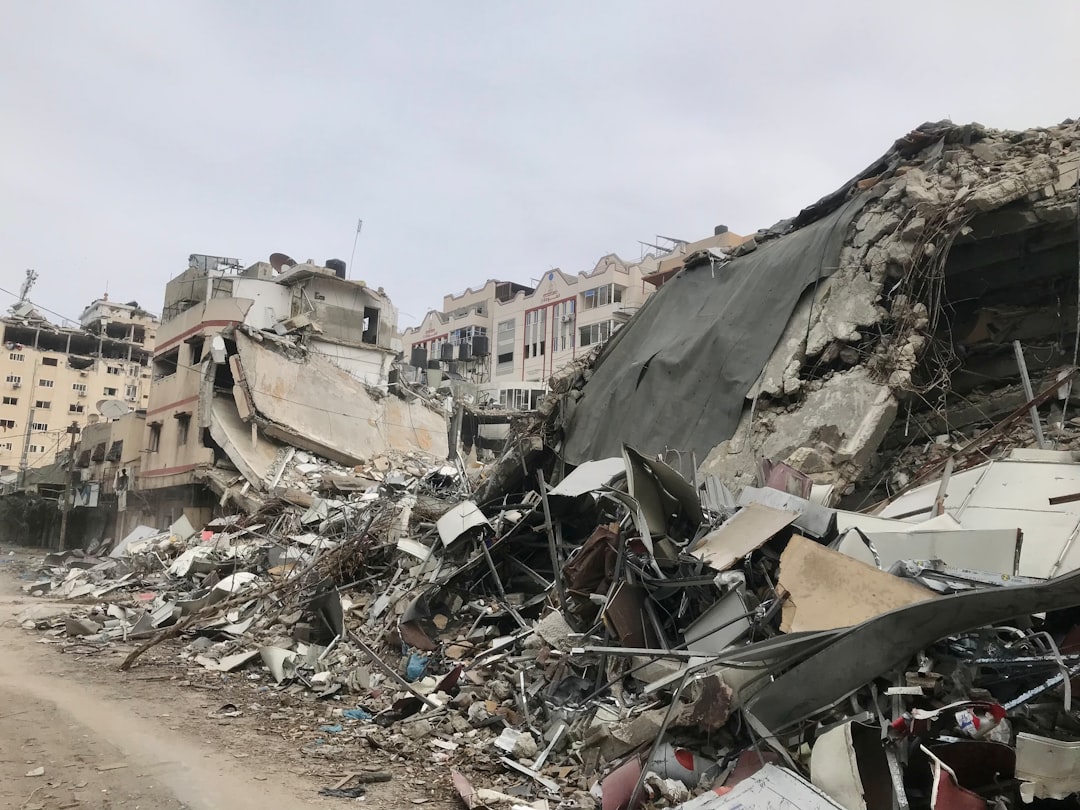
A United Nations expert has sounded an alarm over Israeli efforts to clear rubble in the Gaza Strip, warning that the removal of debris could obliterate vital evidence needed to document potential war crimes and crimes against humanity committed during the ongoing conflict. The warning, originally reported by Reuters, underscores the fragile state of accountability as international bodies investigate actions by both Israeli forces and Palestinian armed groups.
The clearing of rubble is often a necessary step for humanitarian access and reconstruction, but in contexts where mass atrocities are alleged, it can inadvertently erase forensic traces such as human remains, weapons fragments, and structural damage patterns that investigators rely upon. The UN expert, speaking on condition of anonymity in the Reuters report, emphasized that without preserved evidence, efforts to hold perpetrators accountable under international law could be severely undermined.
For Atlanta, a city with deep ties to global human rights movements and a significant population with family roots in the Middle East, the warning resonates. Local advocates and faith-based organizations have consistently called for independent investigations into civilian casualties in Gaza, and the potential loss of evidence adds urgency to their demands for a ceasefire and unimpeded access for forensic teams.
International humanitarian law requires parties to a conflict to facilitate the documentation of violations, including preserving crime scenes where feasible. The International Criminal Court and United Nations commissions of inquiry depend on physical evidence to build cases. If Gaza's rubble is cleared without proper forensic protocols, future prosecutions could rely on testimonies and satellite imagery alone, which may be insufficient to establish command responsibility and intent.
In Atlanta, groups such as the Georgia chapter of the Council on American-Islamic Relations and Jewish Voice for Peace have organized vigils and educational events highlighting the human toll in Gaza. While they have not issued specific statements on the rubble clearance, their longstanding advocacy for transparency and justice aligns with the UN expert's concerns. City council members have also faced pressure from constituents to pass resolutions calling for a ceasefire, reflecting the community's engagement with the crisis.
The UN expert's warning serves as a reminder that the physical landscape of Gaza is itself a witness to the violence. As reconstruction plans emerge, international stakeholders must insist on forensic preservation measures. For Atlantans watching from afar, staying informed and supporting documentation efforts may be one of the few tangible ways to contribute to accountability.
The destruction of evidence in Gaza would not only erase the memory of atrocities but also undermine the global rule of law. The world, including Atlanta, must listen to experts who caution against irreversible actions that shield perpetrators from justice.
Originally reported by Google News — Gaza. Source: https://news.google.com/rss/articles/CBMivgFBVV95cUxOdVVOUVVCYV9vTldTeTg1Y2gwQmFkM3VnYl9fNV9ldGZkNmZ4TEJib0xmd3RTNzlqSXdLRmdCX3VJdmZlRk9YN3JpbE5wakwtWk1HaTAzNWRBM2VKdzVqeUk3SzdpOWRBcWRHMktlTGJxZHN4aVVPSmEyUHI1MzEzbTViVjlfRXM4SkVMRDhGdHhRcUN0RTBjbWViUnU0RDBGT1VZYWE4c004RllSeEtyWVh4Yi1jSlJOdzBieFRB?oc=5