
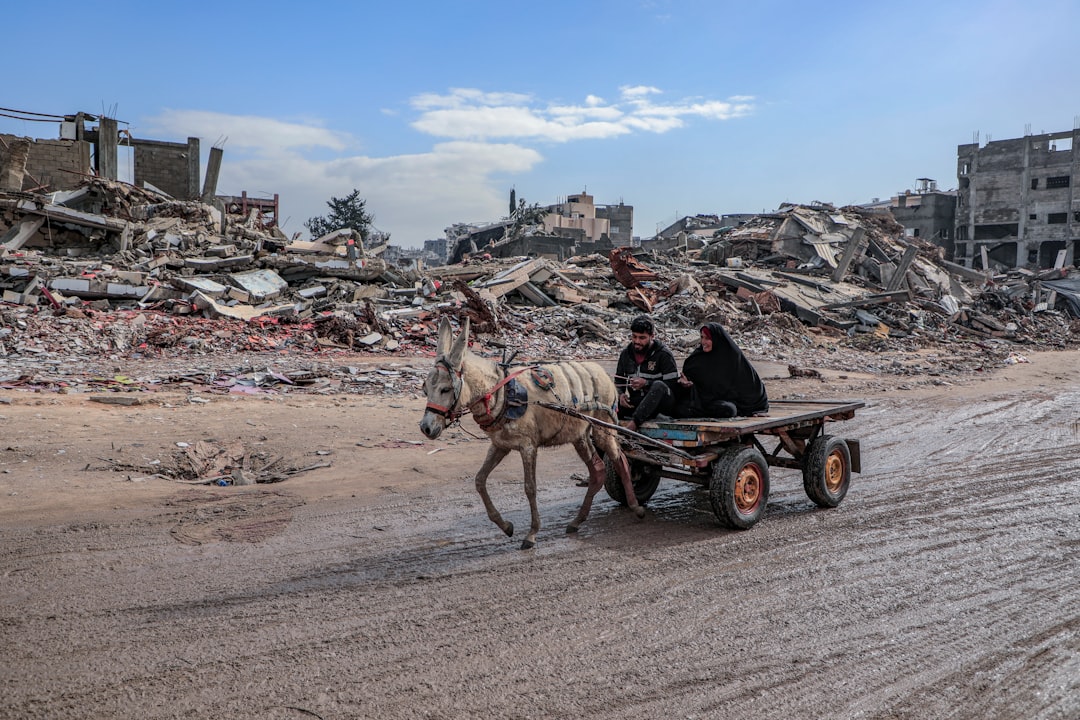
A panel of United Nations-commissioned experts has accused Israel of targeting children in the Gaza Strip and has reiterated its earlier conclusion that the conduct of Israeli forces in the territory amounts to genocide, according to reporting by the Associated Press.
The accusations, advanced by independent experts working under a United Nations mandate, mark the latest in a series of escalating findings from international bodies examining the conduct of the war in Gaza. The repeated genocide determination places the UN-commissioned panel among the most prominent international voices to apply that legal term to Israel's military campaign — a characterization that carries profound weight under international law and that Israel has consistently and categorically rejected.
Israel has long maintained that its operations in Gaza are directed at armed combatants rather than civilians, and Israeli officials have repeatedly described accusations of genocide as baseless and politically motivated. The AP report did not include a detailed Israeli response to the specific findings, and Atlanta Star was not able to independently verify the panel's underlying evidence. Because genocide is a defined crime under the 1948 Genocide Convention, formal accountability would ultimately fall to international legal mechanisms rather than to any single commission of experts.
The focus on children is likely to intensify scrutiny of the humanitarian toll of the conflict. Independent monitors and humanitarian organizations have, throughout the war, documented the deaths and injuries of large numbers of Palestinian civilians, including children, and have warned of the collapse of medical, sanitation and food systems across Gaza. The UN-commissioned experts' framing of children as targets — rather than incidental casualties — represents a significant and contested escalation in language, and one that will be examined closely by human rights organizations and legal scholars.
**An Atlanta connection to the human rights debate**
For Atlanta, a city that frames much of its civic identity around the legacy of the civil rights movement and the international human rights tradition, the findings resonate beyond the diplomatic arena. Atlanta is home to the Carter Center, founded by the late President Jimmy Carter and his wife Rosalynn, an institution that built its reputation on election monitoring, conflict resolution and the defense of human rights worldwide. The city is also the home of The King Center and a long tradition of faith-based and student activism that has, in recent years, turned its attention to the war in Gaza.
That tradition has surfaced in demonstrations on Atlanta college campuses, in statements from local faith communities, and in pointed debate among members of Georgia's congressional delegation over U.S. military aid and diplomatic posture toward Israel. The UN-commissioned panel's renewed genocide language is certain to sharpen those debates among Atlanta advocates, elected officials and the region's sizable Palestinian, Arab and Jewish communities, who hold deeply divergent views on the conflict.
For readers in Georgia, the practical stakes are also concrete. The United States remains Israel's most important diplomatic and military partner, and decisions made in Washington — including by Georgia's senators and representatives — shape the federal response to international findings of this kind. As accusations from UN-linked bodies accumulate, pressure is likely to grow on American lawmakers to articulate where they stand on questions of accountability and international law.
**What comes next**
Findings by UN-commissioned experts are not, on their own, binding legal verdicts. They function instead as authoritative documentation that can inform proceedings at bodies such as the International Court of Justice and the International Criminal Court, both of which have already been engaged with aspects of the conflict. The panel's latest accusations add to a growing record that human rights groups argue must eventually be tested through formal legal accountability.
Atlanta Star will continue to follow the international response to these findings, the reaction from Israeli and Palestinian authorities, and the positions taken by Georgia's elected leaders.
Originally reported by Google News — AP Wire.