
The 2026 midterm campaign has come to a close with the national temperature running hot and control of Congress genuinely in doubt, Reuters reported — and, as in the last several cycles, metro Atlanta sits near the center of the arithmetic that will decide it.
The wire service characterized the final stretch as a period of rising tension, with majorities in both chambers at stake. That framing will be familiar to Georgia voters, who have spent much of the past six years living inside the country's most scrutinized battleground. Since 2020, when the state's presidential result and two Senate runoffs reordered Washington, Georgia has absorbed an outsized share of national advertising money, candidate visits and litigation over election rules. The pattern has held through every cycle since.
What makes the state pivotal is concentrated in and around Atlanta. Fulton and DeKalb counties supply the largest single bloc of Democratic votes in Georgia, while the ring of suburban and exurban counties — Cobb, Gwinnett, Henry, Rockdale, Douglas and Newton among them — has shifted steadily over the past decade as the region has grown more diverse and more educated. Statewide margins in Georgia have repeatedly been decided by a fraction of a percentage point, which means turnout differentials in a handful of metro precincts can carry consequences for committee gavels and subpoena power 600 miles north.
The structural picture has not favored the party holding the White House. Political scientists have documented for decades that the president's party typically loses congressional seats in midterm elections, as the opposition's voters turn out at higher rates and independents register dissatisfaction with whoever is in power. Republicans entering this cycle were defending narrow margins, which compresses the number of districts that have to break their way. In a chamber decided by a handful of seats, that math leaves little room for error — and it elevates the importance of candidate quality and nominee discipline in exactly the kind of suburban districts metro Atlanta contains.
That is the dynamic Democrats have spent the cycle arguing. Their case has rested less on any single issue than on the proposition that an opposition electorate motivated by policy grievance is easier to mobilize than a governing coalition asked to defend a record. Republicans have countered by pressing economic and cost-of-living arguments, betting that voter frustration attaches to the incumbent party in Washington rather than to the congressional majority. Which read is correct is precisely what the returns will begin to answer.
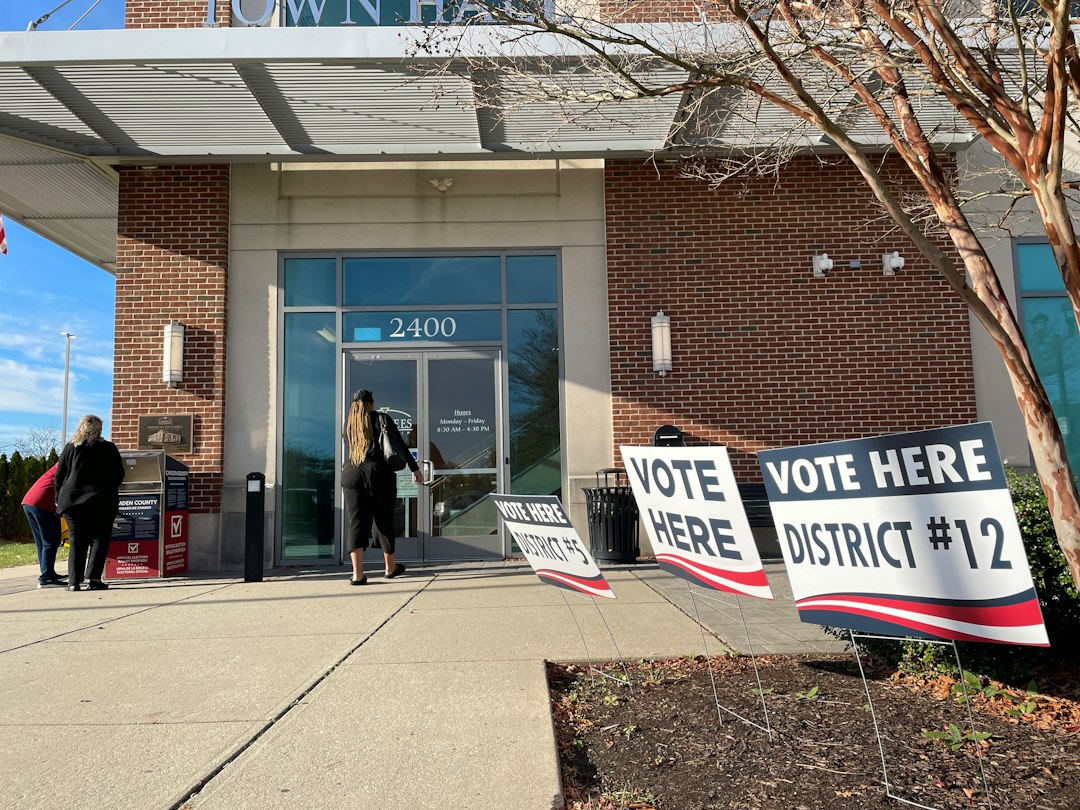
For Atlanta residents casting ballots, the mechanics remain unchanged. Georgia polling places close at 7 p.m. local time, and anyone in line at closing is entitled to vote. State law requires an acceptable form of photo identification for in-person voting. Voters uncertain about their precinct assignment or registration status can check through the Georgia Secretary of State's My Voter Page. Those who requested absentee ballots but have not returned them should confirm county deadlines rather than assume mail delivery will arrive in time.
Atlanta should also brace for a familiar aftermath. Georgia's scale, its mix of early and absentee voting, and its history of close finishes mean that a definitive statewide picture may not emerge on election night. Races inside the margin can trigger recount requests or, in some contests, additional rounds of voting. Local election officials in Fulton County in particular have operated under sustained national attention since 2020, and the processing of the final tranches of ballots is likely to be watched closely again.
What the Reuters account makes clear is that the stakes are not abstract. The composition of the next Congress determines which bills reach the floor, which agencies face oversight, and what any federal response to Atlanta's priorities — transit funding, housing, public health — can realistically look like for the next two years.
Originally reported by Google News — Reuters.