
Spain is champion of the world once again. La Roja captured the 2026 FIFA World Cup with a hard-fought 1-0 victory over Argentina, according to CBS News, closing the book on a monthlong tournament that put North America — and Atlanta — at the center of the global soccer map.
The final was a grueling, tightly contested affair, with a single goal separating the two powers. Spain's win denies Argentina and its supporters a repeat of the jubilation they last knew in 2022, and cements a new chapter in the country's soccer legacy.
For Atlanta, the result carries a local resonance that goes beyond the scoreline. Mercedes-Benz Stadium was among the North American venues that hosted matches during the 2026 World Cup, the first edition of the tournament jointly staged by the United States, Canada and Mexico. The city spent the summer awash in the colors of visiting nations, its restaurants, hotels and transit lines absorbing waves of fans who traveled from across the globe to follow their teams.
Soccer has deep roots in the metro area. Atlanta United, the region's Major League Soccer franchise, has drawn some of the largest crowds in the league since its 2017 debut, routinely filling Mercedes-Benz Stadium and building a fan culture that rivals any in North America. That appetite made Atlanta a natural fit when FIFA selected host cities for a World Cup expanded to a record field, and the tournament rewarded local fans with a front-row seat to the sport's elite.
The championship match itself reflected the fine margins that define World Cup finals. Spain and Argentina, two of the most decorated programs in the sport, produced a defensive battle in which chances were scarce and the stakes enormous. In the end, one goal proved enough for Spain to lift the trophy.
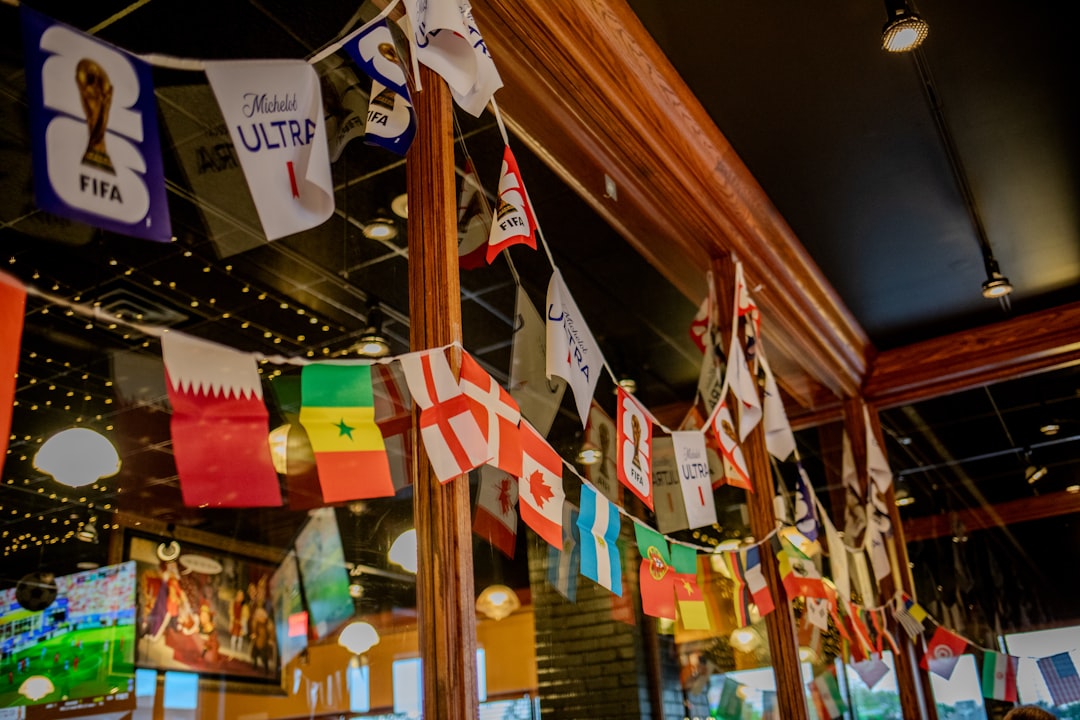
For the neighborhoods and businesses that rallied around the tournament, the final marks the end of an extraordinary run. Watch parties filled bars from Midtown to the West End, and youth soccer programs across the metro area used the World Cup as a teaching moment, pointing young players toward the game's highest level. The tournament's presence in Atlanta offered a reminder of how far the sport has traveled in a city long defined by its ties to football of a different kind.
The economic imprint of hosting will take time to tally, but organizers and local officials had long pointed to the World Cup as a signature opportunity to showcase Atlanta on an international stage. The matches drew visitors who filled downtown hotels and rode MARTA to the stadium, testing the region's infrastructure under the brightest possible spotlight.
As the confetti settles on Spain's triumph, the tournament leaves behind a question that many Atlantans are already asking: what comes next for a city that has now proven it can host the world? For a metro area that has staged the Olympics, the Super Bowl and college football championships, the 2026 World Cup adds another marquee event to a growing résumé — and a memory of the summer soccer's global spotlight shone on Georgia.
Spain's players, meanwhile, return home as world champions, their 1-0 win over Argentina now etched into the tournament's history. For fans who watched from Atlanta, the final was both a world away and, for one remarkable summer, right in their backyard.