
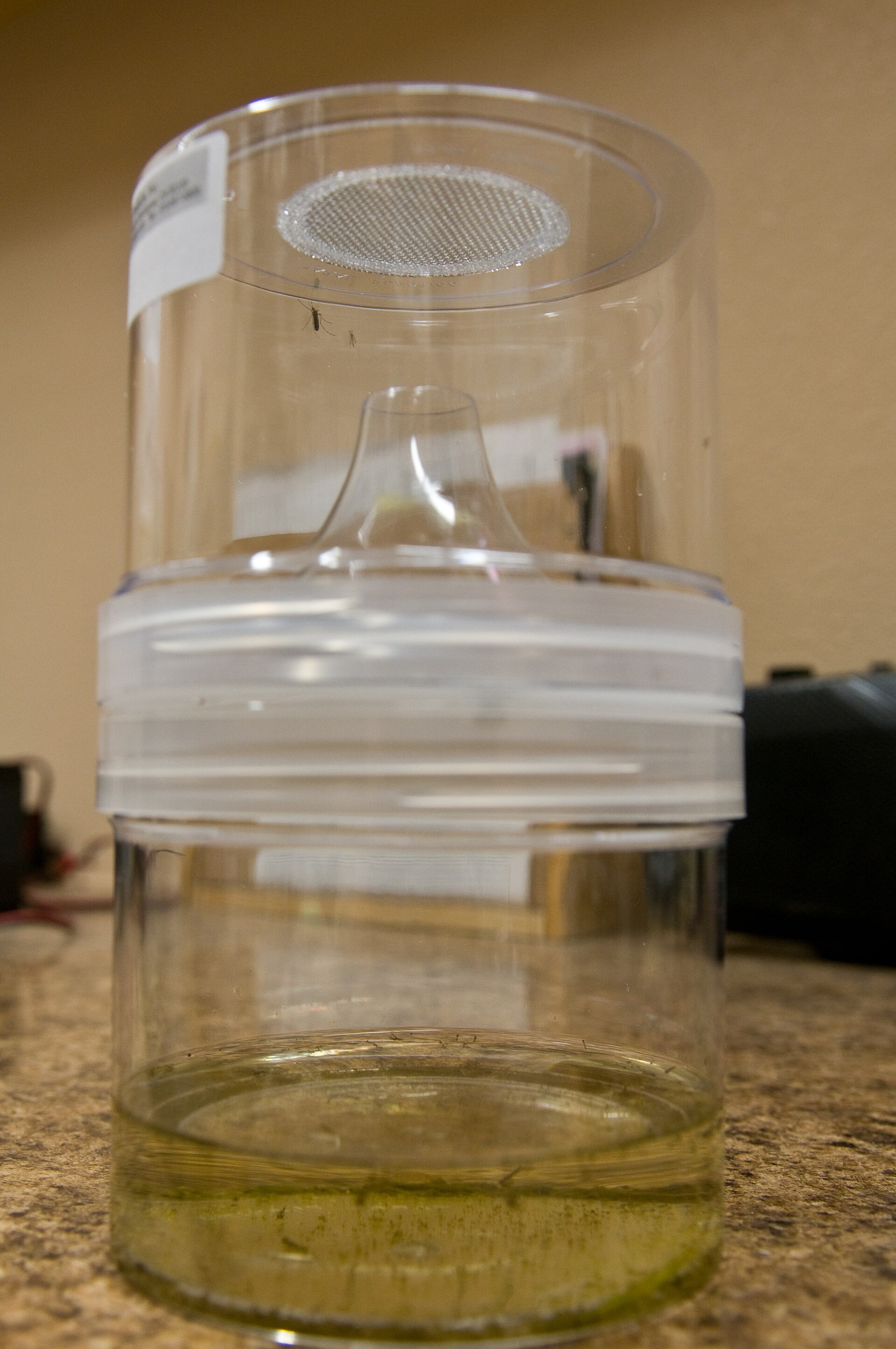
South Fulton officials are urging residents to take precautions after a batch of mosquitoes collected near Old National Park tested positive for West Nile Virus, Mayor Carmalitha Gumbs announced Monday. The discovery, first reported by 11Alive Atlanta, stems from routine mosquito surveillance conducted by the city, and while no human cases have been linked to the positive test, the finding signals that the virus is actively circulating in the metro area.
Mayor Gumbs emphasized that the testing is part of an ongoing effort to monitor mosquito-borne diseases. “This is exactly why we do routine surveillance—so we can act early and protect our community,” she said, according to 11Alive. The city plans to increase mosquito control measures in the area, which may include targeted larvicide applications, spraying in public rights-of-way, and stepped-up public education about how to avoid bites.
The positive sample was found near Old National Park, a green space that lies along the busy Old National Highway corridor in South Fulton, a suburban city that abuts Atlanta’s southwest edge. The area’s mix of wooded parcels, creeks, and residential neighborhoods creates ample breeding habitat for mosquitoes, especially after periods of rain when water can pool in ditches, clogged gutters, and neglected containers.
West Nile Virus is the leading cause of mosquito-borne disease in the continental United States. It is most commonly spread to people through the bite of an infected Culex mosquito. According to the Centers for Disease Control and Prevention, about 80% of those infected show no symptoms, while roughly one in five may develop fever, headache, body aches, joint pains, vomiting, diarrhea, or a rash. In rare cases—fewer than 1%—the virus can cause severe neurological conditions such as encephalitis or meningitis, which can be fatal, particularly in older adults and people with weakened immune systems.
Georgia typically records a handful of human West Nile cases each year, with the majority occurring between July and September, when mosquito activity peaks. The Georgia Department of Public Health does not generally issue alerts for every positive mosquito pool, but local findings often trigger community-level warnings. In Fulton County, health officials routinely set traps and test mosquitoes as early as spring to track the virus’s emergence.
For South Fulton residents, the positive test is a reminder to practice simple but effective prevention habits. Public health experts recommend using EPA-registered insect repellents containing DEET, picaridin, IR3535, or oil of lemon eucalyptus. Wearing long sleeves and long pants during dusk and dawn—when mosquitoes that carry West Nile are most active—can also reduce risk. At home, eliminating standing water is critical: empty and scrub birdbaths, pet bowls, flowerpot saucers, and children’s toys weekly; keep gutters clean; and ensure rain barrels are tightly screened.
The city is also asking residents to report areas of chronic standing water or neglected swimming pools, which can become mosquito nurseries. South Fulton officials said they will be distributing educational flyers in neighborhoods near Old National Park and posting updates on the city’s website and social media channels.
While the detection raises concerns, infectious-disease experts note that a single positive mosquito batch does not signal an outbreak. Still, with Atlanta’s humid subtropical climate extending mosquito season well into autumn, public health authorities encourage vigilance through October. The South Fulton announcement aligns with similar surveillance findings popping up across the Southeast this summer, from DeKalb County to northern Florida, as warm temperatures and periodic showers keep mosquito populations robust.
City leaders say they will continue weekly testing throughout the season and will notify the public immediately if human cases are confirmed. For now, the message is one of awareness, not alarm.
“Our goal is transparency and prevention,” Gumbs said, per 11Alive Atlanta. “When we know something, we share it so families can take simple steps to stay safe.”