
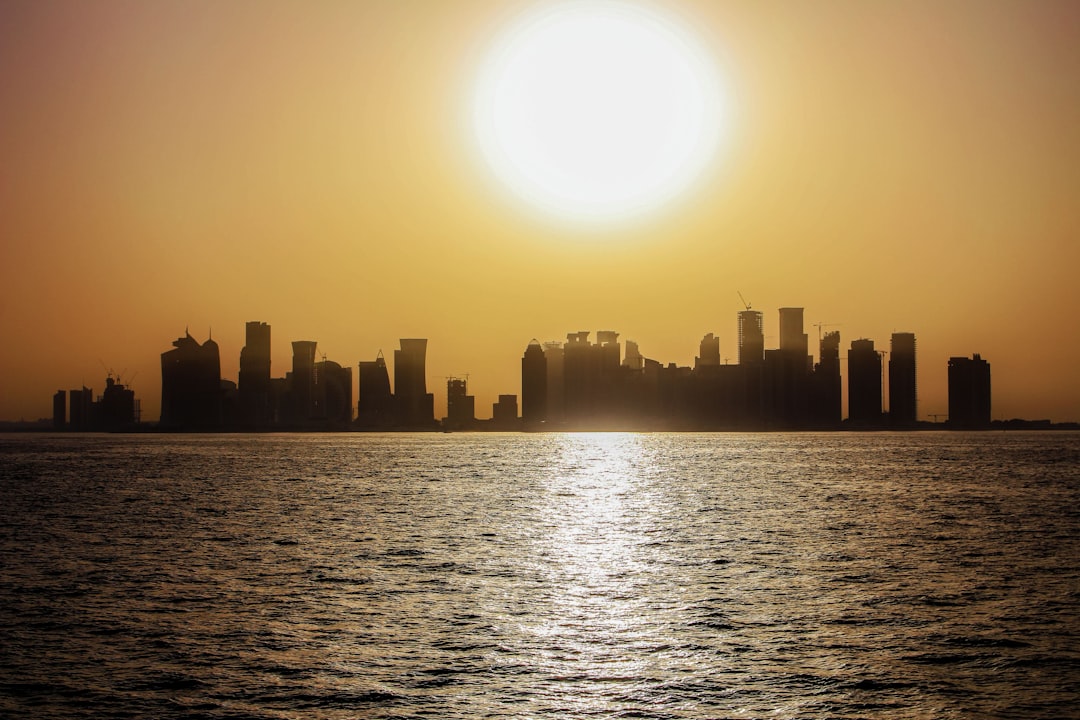
Scientists around the world have confirmed that August was the hottest month Earth has ever measured, a sobering milestone that highlights the persistent and intensifying grip of global heat. The finding, originally reported by Google News — World from WRAL, describes a planet where temperatures remain "stuck on high," with August setting a new record for warmth.
The report, while global in scope, carries significant weight for Atlanta, a city already well acquainted with sweltering summers. Atlanta's humid subtropical climate means that heat and humidity are constants from June through September, but the record-breaking global temperatures suggest that the intensity and frequency of extreme heat events could be shifting. For residents, this is more than a statistic; it is a daily reality that affects health, energy costs, and quality of life.
The urban heat island effect, which causes cities like Atlanta to be significantly warmer than surrounding rural areas, compounds the problem. Concrete, asphalt, and buildings absorb and re-radiate heat, making neighborhoods—especially those with less tree cover and fewer green spaces—feel even hotter. Low-income communities and communities of color are often disproportionately affected, as they may have less access to air conditioning or live in areas with higher exposure to heat. The new global record serves as a reminder that these local vulnerabilities are part of a much larger climate crisis.
Atlanta's energy grid also faces pressure during extreme heat. As temperatures rise, the demand for air conditioning spikes, leading to higher electricity bills and potential strain on infrastructure. While this particular report does not provide regional data, the trend it reveals is consistent with what climate scientists have long predicted: hotter summers and more frequent heat waves. For Atlanta, that means a need for robust adaptation strategies, from expanding cooling centers to investing in heat-resilient infrastructure and urban forestry.
The news arrives at a time when many cities, including Atlanta, are working to reduce greenhouse gas emissions and transition toward renewable energy. The connection between global emissions and local heat waves is direct, and the record-breaking August underscores the urgency of those efforts. While the original report focuses on the global picture, the implications for Atlanta are impossible to ignore. The heat is not just a distant concern; it is here, and it is likely to get worse without meaningful action.
As scientists continue to monitor and document the planet's warming, Atlanta's residents, policymakers, and community leaders should view this latest milestone as a call to prepare. From planting more trees to improving access to cooling resources, the steps taken now will determine how well the city can withstand the heat that is no longer a future threat but a current reality.
Originally reported by Google News — World. Source: https://news.google.com/rss/articles/CBMiwgFBVV95cUxNY3czNlVwUUVZSjNtSWlOQWl1RmE1Zkg5dVVmal9mcTMzeG1YNjB3WUk1Zno0RnFPZ1NlY0NwYmFZaWlNa0JlM1d6U2l0blV0VE1NaUxIdExNMGlZMERBWDJpVGY1cE5zeGdGZDVlQ0J3cldIb3JiY1NiRV9zNkxXMzdidTFSazc3RVRlX0pvakppUHhsbmhTQ1hud01zN191elhWWVJBbDNRaVFKYWlrVzA1OWR5M0NCOF9qQUFMZlhIdw?oc=5