
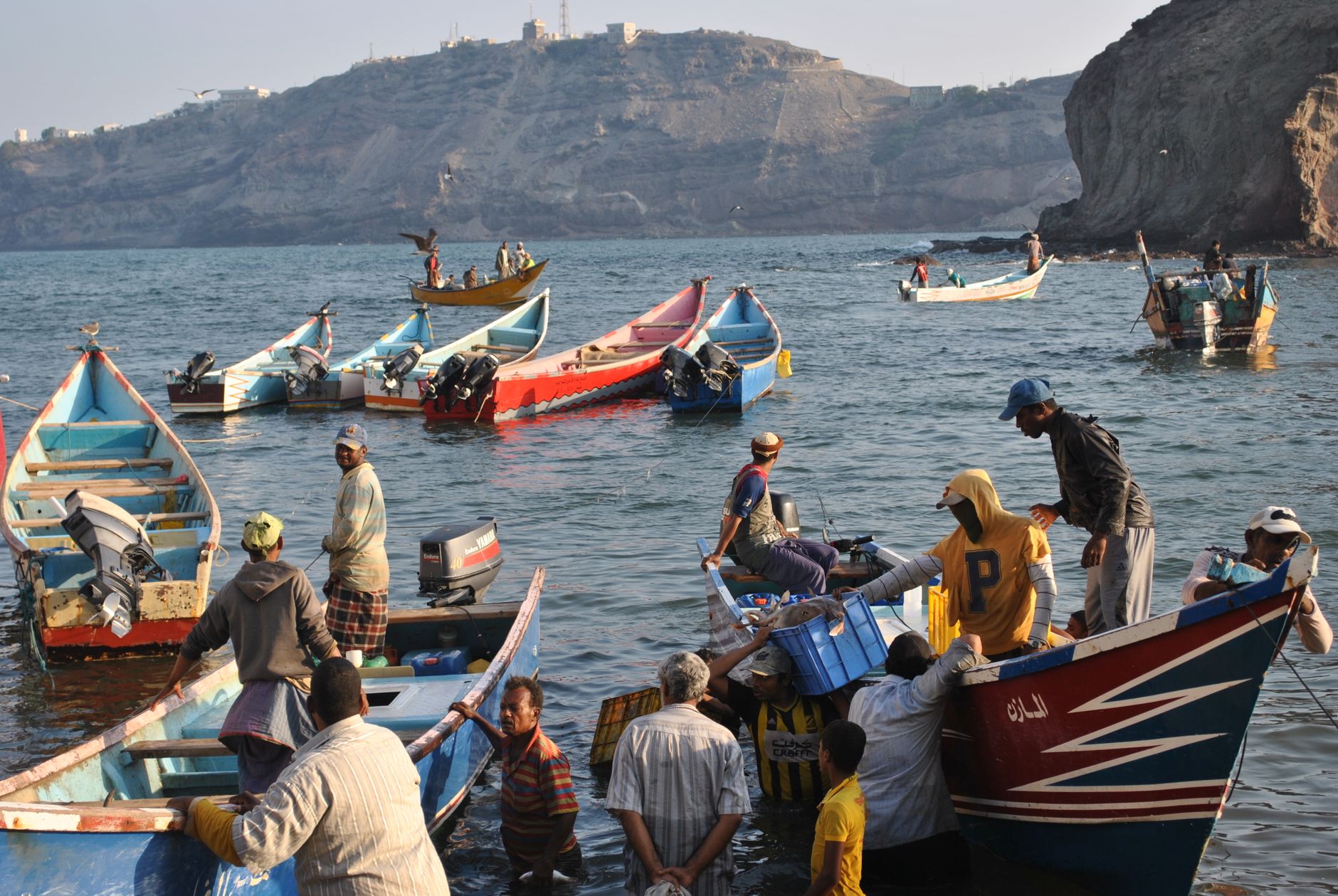
Saudi Arabia and Houthi forces exchanged a fresh round of strikes on Thursday, while terrified Yemeni families fled their homes by boat along the Red Sea coast, according to Reuters. The escalation marks a significant widening of the Middle East conflict, pulling the Arabian Peninsula deeper into a war that has already drawn in multiple regional actors.
The exchange of fire comes as international efforts to broker a ceasefire in Yemen have stalled. Houthi rebels, who control large swaths of northern Yemen including the capital Sanaa, have launched repeated missile and drone attacks against Saudi territory in recent weeks. Saudi-led coalition forces have responded with airstrikes on Houthi positions, including near the strategic port city of Hodeidah—a lifeline for humanitarian aid.
For Atlanta residents, the unfolding violence carries indirect but real consequences. The Red Sea corridor is a critical artery for global oil shipments. Any disruption to shipping lanes near Yemen—where Houthi forces have previously targeted vessels—could push crude prices higher. Atlanta's economy, heavily reliant on automotive transportation and aviation fuel at Hartsfield-Jackson International Airport, remains sensitive to such fluctuations. Energy analysts warn that sustained instability could add pressure to already elevated gasoline prices across Georgia.
The humanitarian dimension is equally alarming. Reuters reports that hundreds of Yemeni civilians, including women and children, have boarded fishing boats and other small craft to escape coastal areas under bombardment. The exodus mirrors earlier waves of displacement during the nearly decade-long civil war. Aid organizations operating in the region, including several with donor bases in metro Atlanta, have warned that the latest escalation will further strain an already catastrophic food insecurity crisis. More than 17 million Yemenis require humanitarian assistance, according to UN estimates.
Local refugee resettlement agencies in Atlanta say they are watching developments closely, though so far no new arrivals have been reported in connection with this week's strikes. Georgia has historically welcomed a modest number of Yemeni refugees, primarily through the U.S. refugee admissions program. Community leaders in Clarkston—often called the most diverse square mile in America—have organized past relief efforts for Yemen, including fundraisers and medical supply drives.
The widening war also complicates U.S. foreign policy in the region. The Biden administration has sought to end American support for offensive operations by the Saudi-led coalition, but the U.S. maintains significant military assets in the Gulf. A broader regional conflagration involving Iran-backed groups like the Houthis could draw Washington into direct confrontation, a scenario many Atlanta-area veterans and military families are monitoring with concern.
As the situation evolves, AtlantaStar.co will continue to provide updates on how far-away conflicts affect the lives and livelihoods of Georgians.
Originally reported by Google News — Reuters. Source: https://news.google.com/rss/articles/CBMiugFBVV95cUxPdUdfN2t1cTlMdHJXa1FQN0ZiU1M1dklpd2llNGtrTW1ndEEwSjZqc2VNcjY0VkFOQXFmLVUzNXFYUHdQTUU1Tm1leURSclhSajZPS29nZng3Sl83eUs2clpyMS1XbW0tNXpnbDdDc25SMVB6cHYtMWY2aFdYRzZsSEtPS1FBSHpQSGp6dFF6NV9mSkJBbXM4UnNWSDYyRzJjc0RtMkZod3l0Q0ZYSzljc3JPYmVFMlVZUGc?oc=5