A stadium built to crown the first world champions of soccer was repurposed this week as a cathedral without walls.
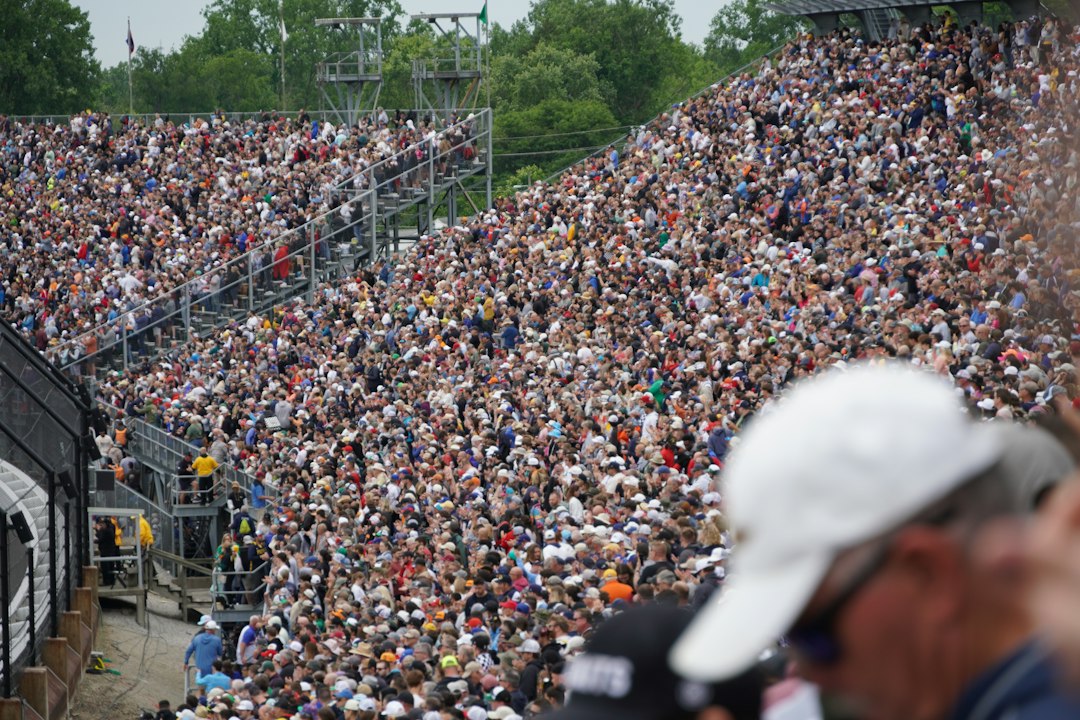
Pope Leo XIV addressed roughly 70,000 people at Estadio Centenario in Montevideo, Uruguay, the ground that hosted the inaugural FIFA World Cup final in 1930, OSV News reported. Speaking in a venue that remains a monument to the sport's origins, the pope told the crowd that life in Christ is the ultimate goal — framing his message in the language of the stadium itself, where goals are the whole point.
The choice of setting was not incidental. Centenario was commissioned for Uruguay's centennial and for the tournament that FIFA staged on Uruguayan soil, a competition the host nation won. Nearly a century later, it is still the only stadium FIFA has designated a historical monument of world football. Filling it with a religious crowd of that size is a statement about reach as much as about doctrine.
Uruguay makes the moment more striking. Among Latin American nations, it is consistently identified as the most secular — a country that separated church and state early and thoroughly, that renamed religious holidays in civil terms, and where a large share of the population claims no religious affiliation at all. A pope drawing a stadium-sized audience there is not a given. It is closer to a test result.
**Why Atlanta should be paying attention**
Atlantans have their own recent memory of what a World Cup does to a city. Mercedes-Benz Stadium served as one of the 2026 tournament's host venues this past summer, and for weeks the city's hotels, MARTA platforms, Beltline corridors and neighborhood bars absorbed a global audience that arrived speaking dozens of languages. The tournament left behind the thing host cities always inherit: a stadium that now carries more meaning than its seating chart suggests.
That is the quiet argument embedded in the Montevideo gathering. Stadiums outlive the matches played in them. They become the largest rooms a city has, and whoever can fill them — a national team, a touring artist, a faith leader — holds a particular kind of civic power. Atlanta knows the pattern well. The Georgia Dome and Mercedes-Benz Stadium have both hosted mass worship services, revivals and denominational conventions alongside football and soccer, and the city's megachurch tradition has long treated arena-scale gathering as normal rather than exceptional.
There is a demographic thread, too. Metro Atlanta's Catholic population has grown rapidly over the past three decades, driven substantially by immigration from Latin America, and Spanish-language Masses are a routine feature of parish life across Gwinnett, Cobb, DeKalb and Clayton counties. For many of those families, a pope speaking to a Uruguayan crowd is not foreign news. It is a story about a region their relatives still live in, delivered from a stadium they may have watched on television.
**A message pitched at a crowd that didn't have to show up**
Leo XIV, the first U.S.-born pope and a figure shaped by years of missionary work in Peru, has consistently positioned Latin America as central rather than peripheral to the church's future. Addressing a secular country from a soccer landmark fits that posture — meeting an audience in a space it already values rather than asking it to come to a space the church controls.
For Atlanta readers, the useful takeaway is less about theology than about method. A city that just finished hosting the world in its own stadium has standing to recognize what happened in Montevideo: the recognition that the biggest room in town is worth asking for, and that what gets said inside it travels further than almost anything said anywhere else.
*Originally reported by Google News — World.*