
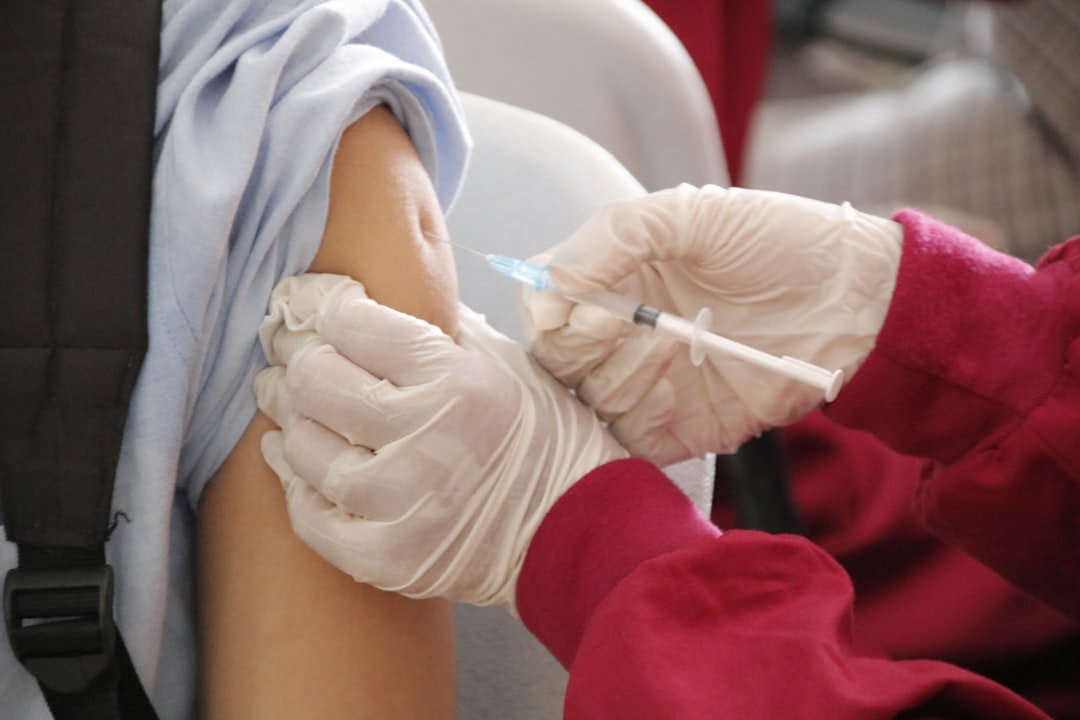
Pennsylvania has formally requested assistance from the Centers for Disease Control and Prevention (CDC) to help contain a growing measles outbreak, according to an exclusive report from Reuters. The request comes amid an ongoing dispute with Health and Human Services Secretary Robert F. Kennedy Jr., whose handling of vaccine policy and public health messaging has drawn criticism from state health officials across the country.
While details of the outbreak's size and the specific nature of the dispute were not immediately available, the move underscores escalating tensions between state public health agencies and federal leadership as measles cases rise nationally. The CDC typically deploys epidemiologists, laboratory support, and outbreak response teams when states request help, but such requests can become politicized when top federal officials question vaccine efficacy.
For Atlanta residents, the situation carries direct relevance. Hartsfield-Jackson Atlanta International Airport, one of the world's busiest travel hubs, connects the region to Pennsylvania and other affected areas daily. Measles is among the most contagious viruses known, capable of lingering in the air for up to two hours after an infected person leaves a room. Public health experts in Georgia say outbreaks anywhere in the country increase the risk of imported cases here.
No measles cases linked to the Pennsylvania outbreak have been reported in metro Atlanta, but local health departments routinely monitor national alerts and encourage residents to verify their vaccination status. The MMR (measles, mumps, rubella) vaccine is safe, effective, and provides lifelong protection in the vast majority of recipients. Georgia requires two doses for school entry, but vaccination rates have slipped in some communities, leaving pockets of vulnerability.
Secretary Kennedy, who before his appointment spread debunked claims about vaccines, has faced scrutiny for his department's response to recent measles outbreaks, including a fatal cluster in Texas. Critics argue that federal foot-dragging on basic outbreak assistance places an unfair burden on state and local health departments. Pennsylvania's request may become a test case for whether CDC support flows smoothly during a public health emergency under Kennedy's leadership.
For AtlantaStar readers, the lesson is clear: measles is not a distant problem. A single infected traveler passing through Hartsfield-Jackson could spark a local outbreak, especially in undervaccinated neighborhoods. Health officials advise checking immunization records and contacting a primary care provider or county health department for a catch-up dose if needed. The Atlanta area has robust public health infrastructure, but it only works when residents participate.
As the Pennsylvania situation develops, AtlantaStar will continue to monitor federal and state responses and their implications for Georgia.