
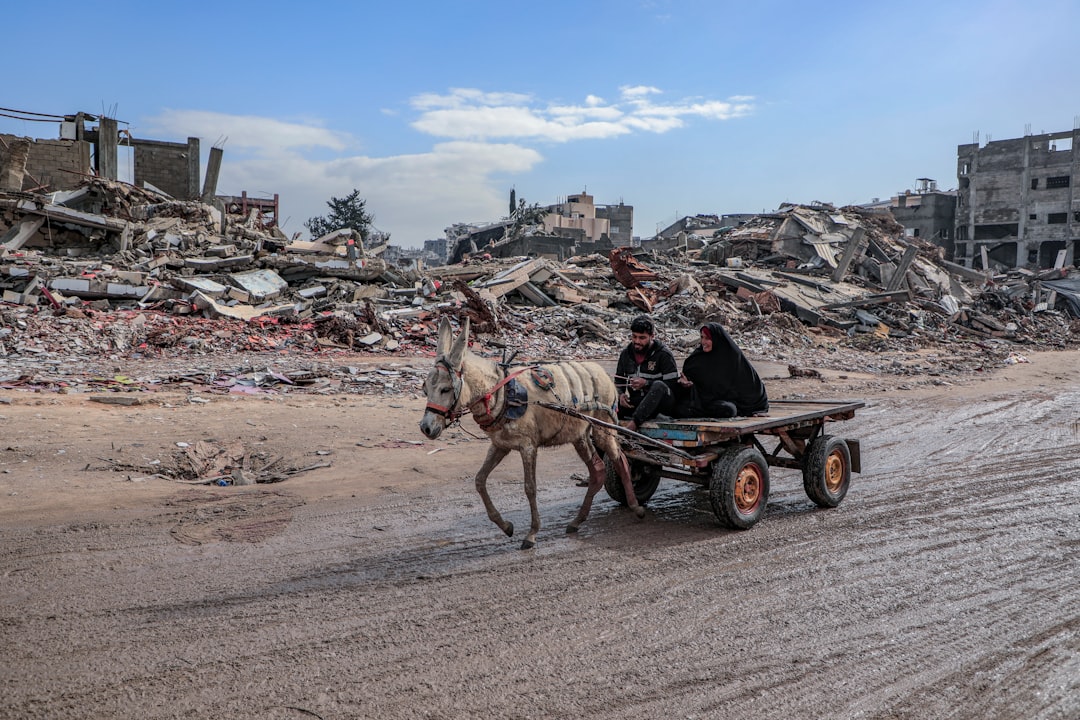
Palestinian children are being left “unprotected” as nongovernmental organizations are forced out of Gaza and the occupied West Bank, according to reporting from Al Jazeera, raising fresh alarm among humanitarian advocates about the collapse of civilian safeguards in the occupied Palestinian territories.
The departure or expulsion of NGOs — the organizations that provide medical care, food distribution, psychological support, and child-protection services — strikes at the heart of the civilian safety net in a region already devastated by war and prolonged occupation. When those groups can no longer operate, the youngest and most vulnerable members of the population are typically the first to bear the consequences.
Under international humanitarian law, children are afforded special protection during armed conflict and occupation. The Fourth Geneva Convention obligates an occupying power to ensure the welfare of the civilian population under its control, and the UN Convention on the Rights of the Child establishes a baseline of protection that applies regardless of borders or politics. Human rights organizations including the United Nations, Amnesty International, Human Rights Watch, and the Israeli group B’Tselem have repeatedly documented how the conditions of occupation and the conduct of the war in Gaza have eroded those protections.
The forcing out of aid groups compounds an already dire situation. Humanitarian organizations have warned throughout the conflict that Gaza’s children face acute malnutrition, displacement, the loss of schooling, and severe trauma. In the West Bank, rights monitors have documented the detention of minors, displacement linked to settlement expansion, and violence affecting Palestinian families. The removal of independent NGOs also strips away one of the few remaining mechanisms for documenting abuses and delivering impartial care — a loss that accountability advocates say makes it harder to verify conditions on the ground and to hold parties responsible under international law.
For Atlanta, a city that has long defined itself through the language of human rights and the legacy of the civil rights movement, the story carries particular resonance. Metro Atlanta is home to active Palestinian, Arab, Muslim, and Jewish communities, as well as faith congregations and humanitarian organizations that have organized aid drives, vigils, and advocacy campaigns since the war began. Local chapters of national relief and human rights groups have urged that humanitarian access be protected and that aid workers be allowed to operate safely — a demand that the reported expulsion of NGOs directly undercuts.
Atlanta-based humanitarian and interfaith organizations have framed the protection of children in conflict zones as a moral baseline that transcends political division. The shrinking space for NGOs in Gaza and the West Bank, advocates here argue, is not an abstract foreign-policy matter but a question of whether the international community will uphold the laws meant to shield civilians — laws the city’s own human rights tradition helped inspire.
The broader pattern documented by international monitors points to a humanitarian system under severe strain: restricted access, mounting civilian casualties, forced displacement, and the steady contraction of the institutions meant to protect noncombatants. When the organizations charged with safeguarding children are removed from the field, advocates warn, the protections that exist on paper become increasingly difficult to deliver in practice.
As the conflict continues, humanitarian and legal experts say the central question remains accountability — whether documented violations will be investigated and whether civilians, and especially children, will be granted the protections guaranteed to them under international law. For now, the warning from aid groups is stark: with NGOs pushed out, Palestinian children are being left to face the consequences of war and occupation with fewer protections than ever.
Originally reported by Google News — Gaza.