
A U.S. court has reinstated the class-action verdict against the National Football League in the long-running legal fight over "Sunday Ticket," the league's package for out-of-market games, Reuters reported. The decision puts the NFL back on the losing side of one of the most consequential antitrust cases in modern American sports.
The word "reinstates" carries weight here. It means a verdict returned by a jury against the league had been undone somewhere along the way after trial, and that an appellate court has now put it back in force. The available report did not detail the court's reasoning, the size of the award, or what procedural steps come next, and AtlantaStar will not speculate on figures that have not been confirmed. What is clear is that the plaintiffs' win is alive again, and the NFL's options have narrowed.
## Why Atlanta has a stake
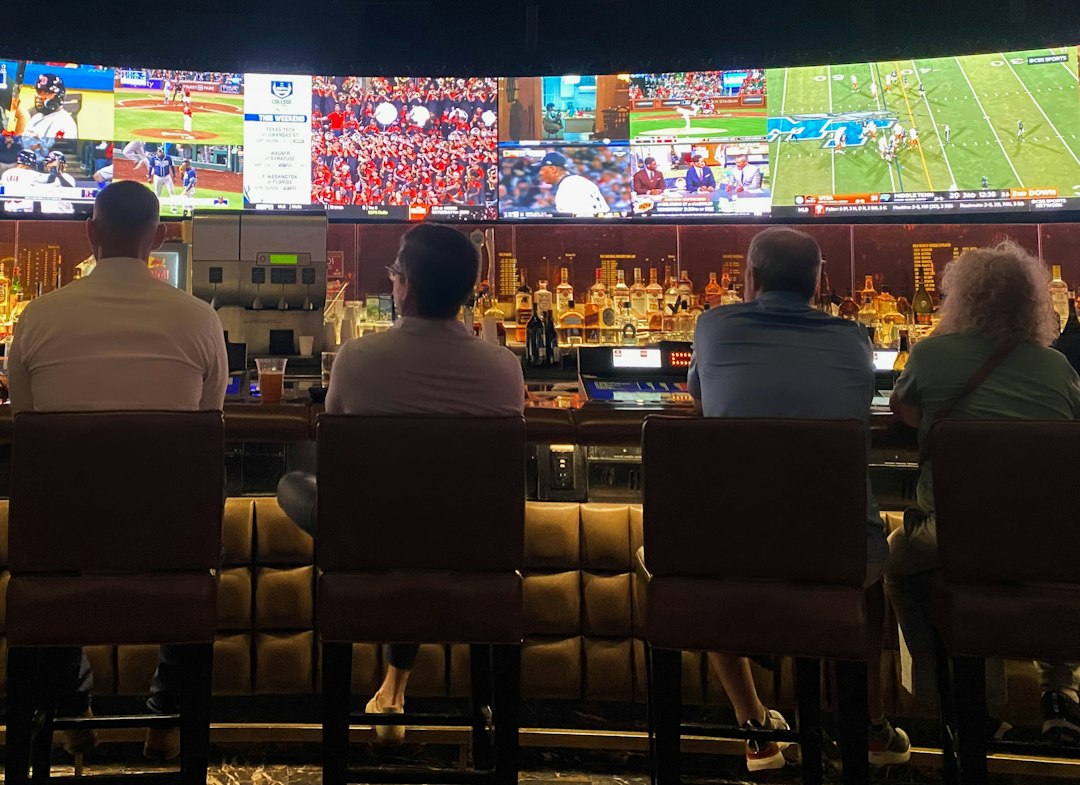
Atlanta is, in football terms, a city of elsewhere. Decades of in-migration have made metro Atlanta one of the country's fastest-growing regions, and the fan bases came with the moving trucks. On any given Sunday, neighborhood bars from East Point to Alpharetta fill with people in the colors of teams that play a thousand miles away. For those viewers, "Sunday Ticket" has not been a luxury add-on. It has been the only way to watch their team.
That is precisely the market the lawsuit concerns. The claim at the heart of the case is that the NFL and its broadcast partners structured out-of-market distribution in a way that restrained competition, leaving subscribers with a single, bundled, premium-priced option rather than the à la carte choices a competitive market might have produced. Fans who wanted one team's games had to buy access to all of them, at whatever price the arrangement set.
The local business angle is just as real. Commercial subscriptions for bars and restaurants have long cost far more than residential ones, and Atlanta's sports-bar economy is built on football Sundays. Owners in Midtown, Buckhead, the Old Fourth Ward and the suburbs have treated that line item as a non-negotiable cost of doing business. A final judgment against the league would not change their bills overnight, but it would establish that the terms they accepted for years were legally vulnerable.
## A league that is also a local institution
Atlanta is not a neutral observer of the NFL's legal exposure. The Falcons anchor a downtown stadium district that the city and state helped finance, and Mercedes-Benz Stadium has become a central argument in Atlanta's pitch as a destination for major events. The league's media revenue — the river of money that broadcast arrangements like "Sunday Ticket" feed — underwrites the economics that make franchises, stadium deals and public-private sports partnerships work the way they do.
That is the quiet significance of a case like this one. Antitrust litigation over a television package is not just about refunds to subscribers. It is a test of how much control a sports league may exert over the distribution of its own games, and how courts weigh the collective bargaining power of thirty-two clubs against the interests of the people who pay to watch. A verdict that survives appeal would be read closely by every league in the country.
## What comes next
Reinstatement is not the end of the road. The NFL retains avenues to contest the outcome, and cases of this scale have a history of grinding on well past the headlines. Subscribers who believe they are part of the certified class should watch for official notice through the court-appointed administrator rather than relying on secondhand accounts, and should be wary of anyone soliciting fees to "claim" money on their behalf.
For now, the practical change for Atlanta viewers is zero. Prices are what they were. The Sunday routine is what it was. But a verdict that the league had reason to think was behind it is once again on the books, and that is a meaningfully different position than the one the NFL occupied before this ruling.
AtlantaStar will update this story as court documents and further reporting become available.
*Originally reported by Google News — Reuters.*