
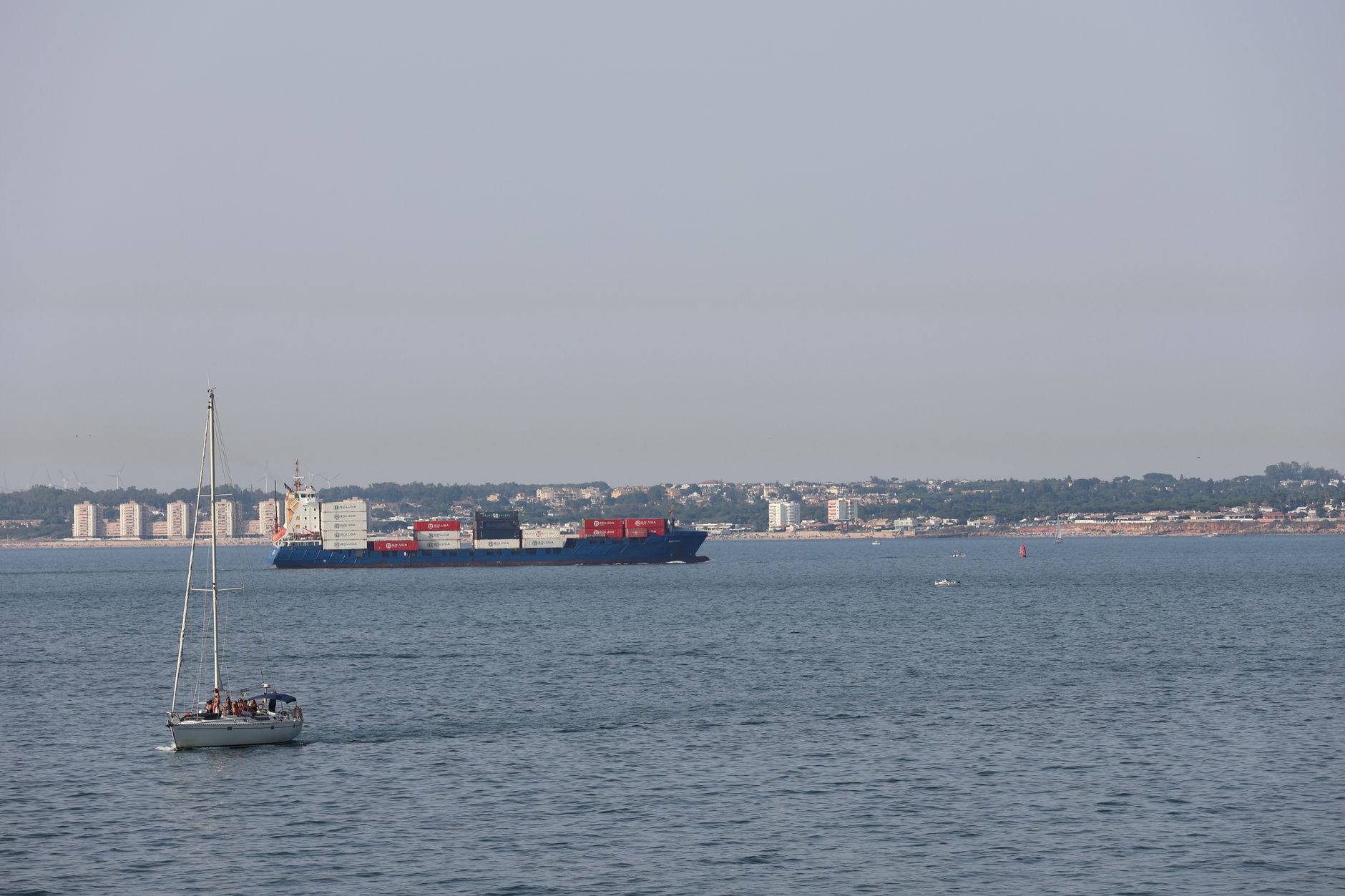
A new flotilla mission has set sail for Gaza, with human rights advocates on board challenging Israel's ongoing blockade of the coastal enclave and demanding diplomatic measures to guarantee their safety.
The mission, organized by international solidarity groups, aims to deliver humanitarian aid and draw attention to what organizers describe as a deadly, illegal siege that has strangled Gaza's civilian population for years. Human rights advocates are urging governments worldwide to pressure Israel to end the blockade and ensure safe passage for the vessels.
The blockade, imposed by Israel with Egypt's cooperation, has restricted the movement of people and goods in and out of Gaza since 2007. Human rights organizations including the United Nations, Amnesty International, and Human Rights Watch have repeatedly condemned the policy as a form of collective punishment that violates international law. The UN has warned that Gaza has become "uninhabitable" under the combined weight of the blockade and repeated military assaults.
For Atlanta's progressive community, the flotilla mission resonates with the city's long tradition of civil rights activism and humanitarian advocacy. Local faith leaders, student organizations, and human rights groups have consistently called for an end to the blockade, drawing parallels between struggles for justice at home and abroad. Atlanta is home to a growing Palestinian solidarity movement, with regular demonstrations, educational forums, and interfaith vigils calling attention to conditions in Gaza.
The flotilla organizers have emphasized that their mission is peaceful and humanitarian in nature. They are calling for diplomatic protection under international maritime law and urging the international community to hold Israel accountable should the vessels be intercepted or attacked.
Previous flotilla attempts have met with violent responses. In 2010, Israeli forces raided the Mavi Marmara, a ship in a Gaza-bound flotilla, killing nine activists and injuring dozens more. United Nations investigators later found that Israeli forces committed serious violations of international law during the raid. Subsequent flotilla missions have been intercepted, with activists detained and deported.
The current mission comes amid heightened scrutiny of Israel's policies toward Palestinians. The International Court of Justice has issued advisory opinions calling Israel's occupation unlawful, and the International Criminal Court has issued arrest warrants for Israeli leaders over alleged war crimes in Gaza. Yet the blockade remains in place, and humanitarian conditions continue to deteriorate.
Advocates in Atlanta and across the United States have pointed to the blockade as a central element of the broader system of oppression facing Palestinians. They argue that American taxpayer dollars fund the military infrastructure that enforces the siege, and they are calling on elected officials to condition aid to Israel on compliance with international law.
The flotilla's organizers say their mission is not just about delivering supplies, but about breaking the wall of silence and impunity that has allowed the blockade to persist. They are demanding that the international community take concrete diplomatic action—not just expressions of concern—to ensure the flotilla's safety and to end the blockade altogether.
For Atlanta residents following the mission, the stakes are clear: the flotilla represents a direct challenge to a policy that human rights organizations have labeled a war crime. Whether the international community will rise to protect the activists and the people of Gaza remains an open question.
As the vessels make their way toward Gaza's waters, human rights advocates are urging vigilance and solidarity. They are calling on people of conscience in Atlanta and around the world to contact their representatives, demand diplomatic protection for the flotilla, and insist on accountability for any violations that occur.
The blockade of Gaza, they argue, is not a distant tragedy but a test of the international community's commitment to human rights and the rule of law. The flotilla mission, and the response it provokes, will be a measure of whether that commitment still holds.