
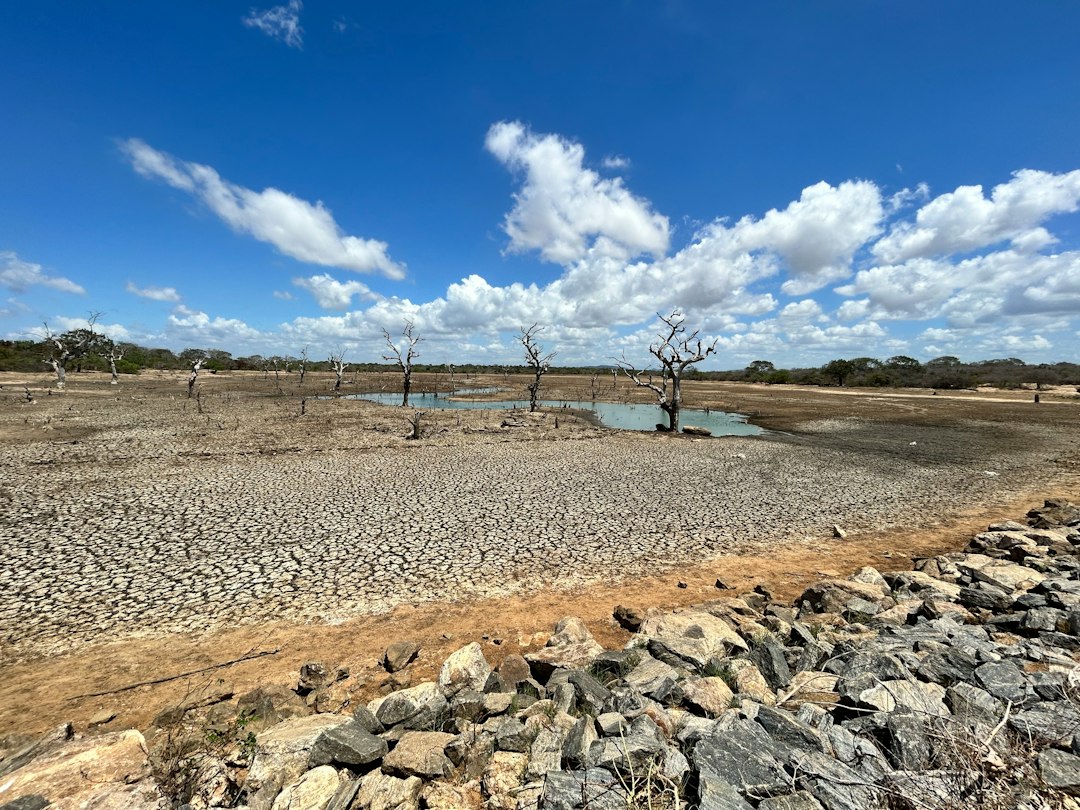
Water releases are being planned as drought conditions continue across metro Atlanta, according to reporting surfaced this week by Google News — Atlanta, with the story originating from USA Today.
The underlying report, as summarized in the news feed, does not specify the volumes involved, the reservoirs affected, or the duration of the planned releases. What it does establish is the condition driving the decision: metro Atlanta remains in drought, and water managers are adjusting operations in response.
For readers outside the world of reservoir management, a "water release" is not a crisis announcement so much as a steering correction. Releases from federal reservoirs are used to keep downstream river flows within required ranges, protect water quality, and meet obligations to users farther down the basin. In this part of Georgia, that machinery centers on the Chattahoochee River system and the federal dams that regulate it, operated by the U.S. Army Corps of Engineers. When rainfall falls short, the balancing act between storage upstream and flow downstream gets tighter — and more consequential.
That tightness is the Atlanta story worth telling. Few major American metropolitan areas sit as close to the top of their own watershed as this one does. Atlanta draws from a river near its headwaters rather than from a broad, mature channel fed by hundreds of miles of upstream tributaries. The practical effect is that the region has less natural buffer than its size would suggest. A dry autumn registers here faster than it would in a city sitting on a big river or a deep aquifer.
Georgia has been through this before. The droughts of the late 2000s and the mid-2010s produced watering bans, reservoir levels that became nightly news, and years of litigation among Georgia, Alabama and Florida over who is entitled to the water in the Apalachicola-Chattahoochee-Flint basin. Each round of scarcity has sharpened the same question: how does a region that keeps adding people, warehouses and data centers plan for a water supply that does not grow with it?
Climate science has been adding a layer to that question. A warmer atmosphere intensifies both ends of the cycle — heavier rainfall events when storms do arrive, and faster drying between them, as higher temperatures pull more moisture from soil, crops and reservoir surfaces. The result is less a steady trend than a whiplash: flood risk and drought risk increasing at the same time, often in the same year. For water managers, that volatility is harder to plan around than a simple shift in average rainfall.
The consequences do not stop at the Perimeter. South Georgia's farm economy leans heavily on irrigation drawn from the Flint River and the aquifer beneath it, which means a dry season upstream and a dry season downstream compete for the same basin. Along the coast, reduced freshwater flow combines with rising seas to push saltwater farther into estuaries and coastal groundwater — a slow-moving threat to drinking water and to the fisheries that depend on the right mix of salt and fresh.
Energy sits in the middle of all of it. Thermoelectric generation is one of the largest water users in the state, and the surge in electricity demand from data center development across metro Atlanta raises both power and water needs at once. The shift toward solar and storage, which require far less water to operate than conventional thermal plants, is not usually framed as a water policy — but in a drought-prone state, it is one.
The near-term tools remain unglamorous and effective: leak repair in aging municipal systems, outdoor watering limits of the kind Georgia law already structures, reuse and reclaimed water in new development, and conservation pricing. None of them make headlines the way a reservoir photograph does. All of them buy margin.
What to watch next is whether state environmental regulators escalate drought response levels, and whether winter rainfall arrives in time to rebuild storage before the next growing season. Residents can check their own utility's current watering rules, which vary by county and system.
Originally reported by Google News — Atlanta.