
The 2026 FIFA World Cup will push mass transit systems across the United States to their limits this summer, and a new accounting of what that effort will cost has put a national spotlight on the rail and bus networks expected to move millions of fans. For Atlanta — one of the American host cities preparing to welcome the world — the tournament is more than a logistical challenge. It is a stress test of a transit system that residents in the region's underserved neighborhoods rely on every day, long after the final whistle.
The central question raised by the reporting is straightforward: can host-city transit handle the surge, and how much will it cost to get ready? Cities are weighing investments in expanded service, extended hours, additional vehicles and crowd management as they brace for waves of international visitors. The price tag is significant, and the bill will ultimately be carried in large part by local taxpayers and transit agencies already operating under tight budgets.
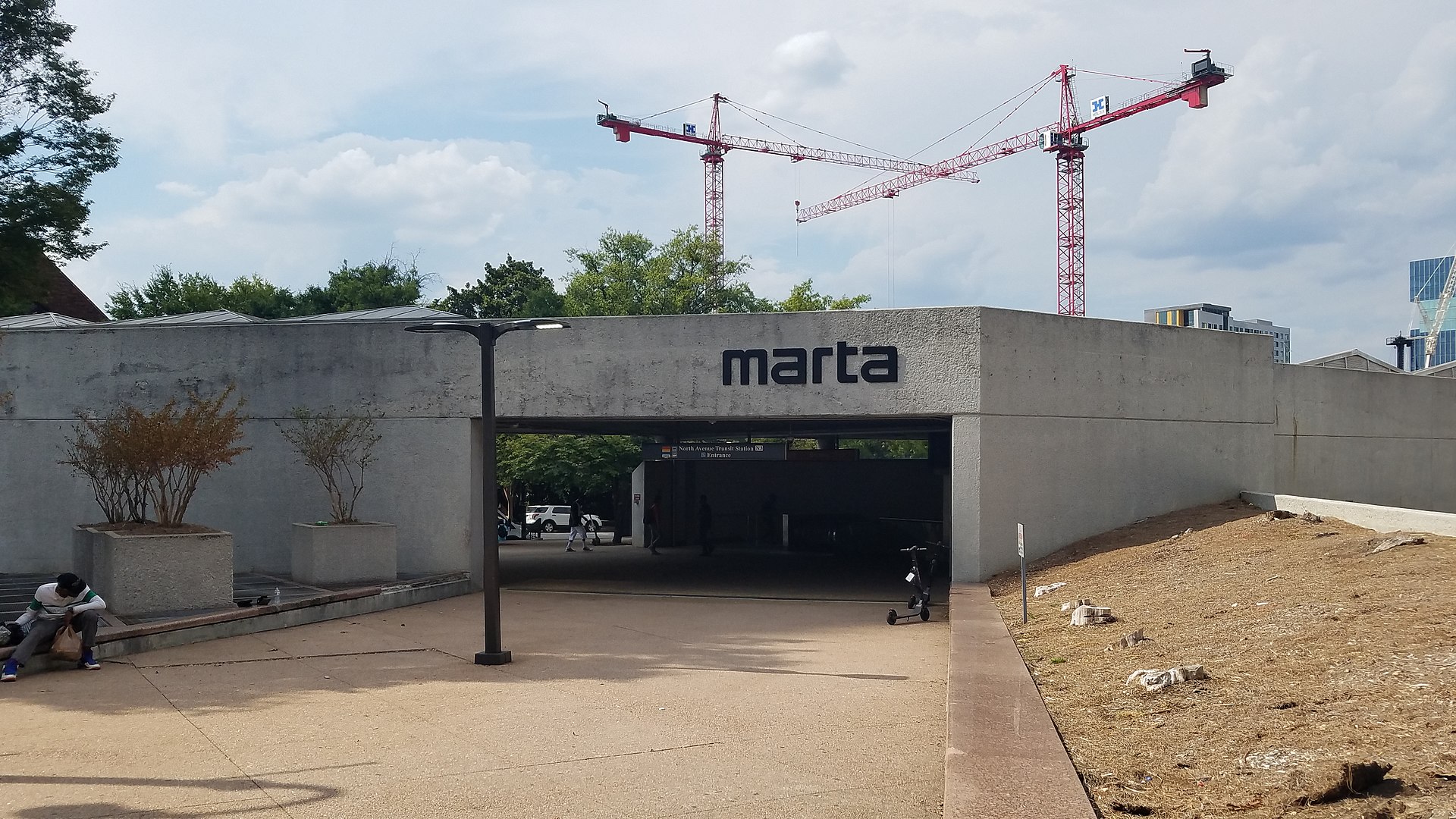
In Atlanta, that calculus lands on MARTA, the rail and bus network that connects downtown venues, the airport and the residential communities that ring the urban core. The World Cup will showcase MARTA at its busiest, but it also draws attention to a system that progressive advocates have long argued is too limited in reach. For decades, transit expansion in metro Atlanta has stalled at county and political boundaries, leaving large swaths of the region — and many of its lower-income, majority-Black communities — without reliable rail access.
That gap is not abstract. Transit access shapes who can reach jobs, medical appointments, schools and grocery stores without the cost of a car. In a region where economic mobility ranks among the lowest of major American metros, the distance between a neighborhood and the nearest train station can determine the range of opportunity available to a family. The investments cities are now rushing to make for a month of soccer underscore what equity advocates have said for years: when there is political will and a deadline, money for transit can be found.
The World Cup's demands also reframe a familiar debate. Temporary upgrades built for tourists — more frequent trains, longer service windows, clearer wayfinding — are precisely the improvements that daily riders in transit-dependent communities have requested. The risk, advocates warn, is that the enhancements vanish once the visitors leave, while the underlying inequities remain. The lasting test is not whether Atlanta can move a stadium full of fans on a match day, but whether the city treats reliable, far-reaching transit as a permanent public good rather than a one-time spectacle.
The spending now underway nationally offers a measure of how cities value their transit systems when the stakes are visible to the world. For Atlanta, the months ahead present an opportunity to make the case that the same urgency applied to the World Cup belongs to the everyday work of connecting people to opportunity. How the region answers — in dollars, in service and in who benefits — will outlast the tournament itself.
As the costs come into focus and the games approach, transportation equity will remain at the center of the conversation in metro Atlanta, where access to a train or a bus continues to shape the boundaries of economic possibility.
Originally reported by Google News — World.