
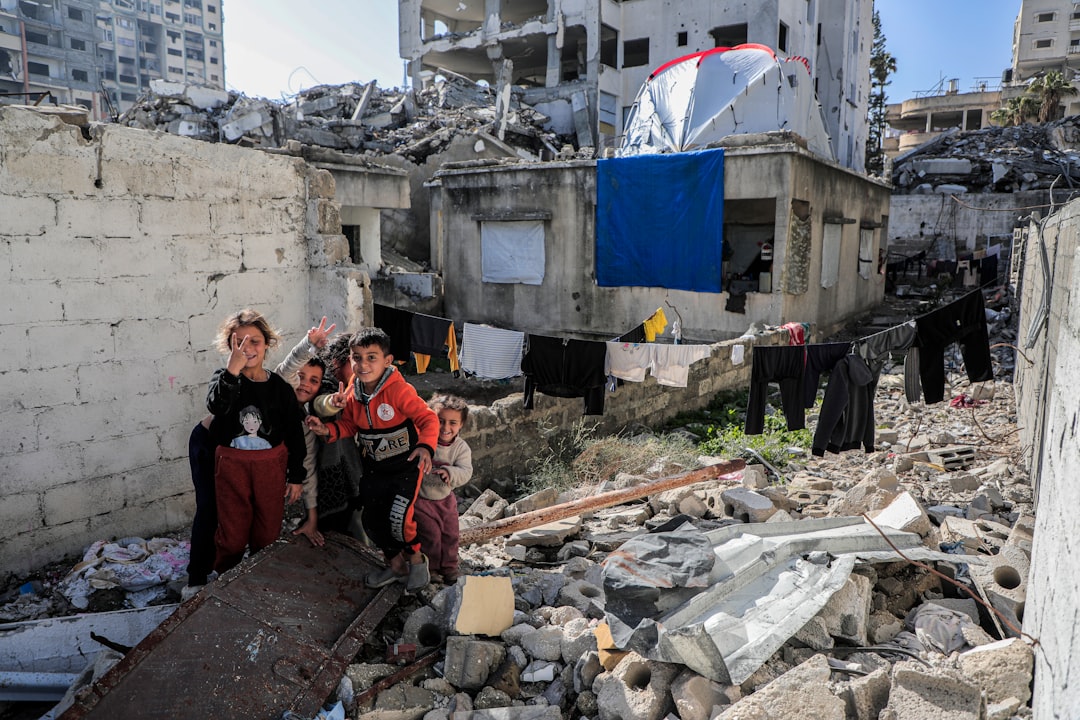
Three Palestinians were killed in Israeli attacks across the Gaza Strip, raising to 983 the number of people reported killed since the announcement of a ceasefire, according to reporting by Al Jazeera.
The latest deaths underscore a grim pattern that human rights monitors and humanitarian agencies have warned about for months: that formal pauses in fighting have not translated into safety for Gaza's civilian population. With the post-ceasefire toll now approaching 1,000, the figure stands as a stark measure of how fragile and, critics argue, how hollow the truce has proven to be on the ground.
While the immediate details of the three deaths reported in this account remain limited, the cumulative number tells its own story. A ceasefire, under international humanitarian law, is meant to halt hostilities and protect non-combatants. The continued accumulation of casualties during what is officially a period of calm raises pressing questions about compliance, accountability, and the enforcement mechanisms — or lack thereof — meant to safeguard Palestinian lives.
International legal bodies and human rights organizations, including the United Nations, Amnesty International, Human Rights Watch, and the Israeli rights group B'Tselem, have repeatedly documented civilian casualties, the destruction of homes and infrastructure, and the displacement of Gaza's population throughout the broader conflict. Their findings have framed the crisis in the language of international law: the obligation to distinguish between combatants and civilians, the prohibition on disproportionate force, and the duty to allow humanitarian access. Each additional death recorded during a nominal ceasefire adds weight to calls for independent investigation.
For readers in Atlanta, the war in Gaza is not a distant abstraction. The metro area is home to a sizable and active Arab American and Muslim community, as well as Jewish, Palestinian, and interfaith organizations that have organized vigils, demonstrations, and relief efforts since hostilities escalated. Atlanta's universities — among them Georgia State, Emory, and the Atlanta University Center institutions — have seen sustained student activism around the conflict, with debates over divestment, free expression, and the humanitarian toll playing out on campuses across the city.
Atlanta's congressional delegation has also been drawn into the national conversation over U.S. policy toward Israel and the Palestinian territories. As Washington continues to debate military aid, arms transfers, and the conditions attached to them, the votes and statements of Georgia's representatives carry direct relevance for constituents who follow events in Gaza closely. Local advocacy groups have pressed elected officials to support stronger humanitarian protections and accountability measures consistent with international law.
The number 983 is more than a statistic. Behind it are families, neighborhoods, and a civilian infrastructure that aid organizations say has been pushed to the brink. Humanitarian workers operating in Gaza have described severe shortages of food, clean water, medical supplies, and shelter — conditions that compound the danger posed by ongoing military operations. When attacks continue during a period billed as a ceasefire, the humanitarian response becomes even more difficult to sustain.
For accountability advocates, the path forward hinges on documentation and independent verification. Human rights organizations have emphasized the importance of preserving evidence, protecting journalists working in the territory, and ensuring that those responsible for violations of international humanitarian law can ultimately be held to account. Independent reporting from inside Gaza — often at great personal risk to local journalists — remains one of the few windows the outside world has into conditions there.
As the toll climbs, the gap between the promise of a ceasefire and the reality on the ground in Gaza continues to widen. Atlanta residents watching from afar, many with personal and community ties to the region, are likely to keep pressing the question that the latest casualties make impossible to ignore: what does a ceasefire mean if the killing does not stop?
Originally reported by Google News — Gaza.