
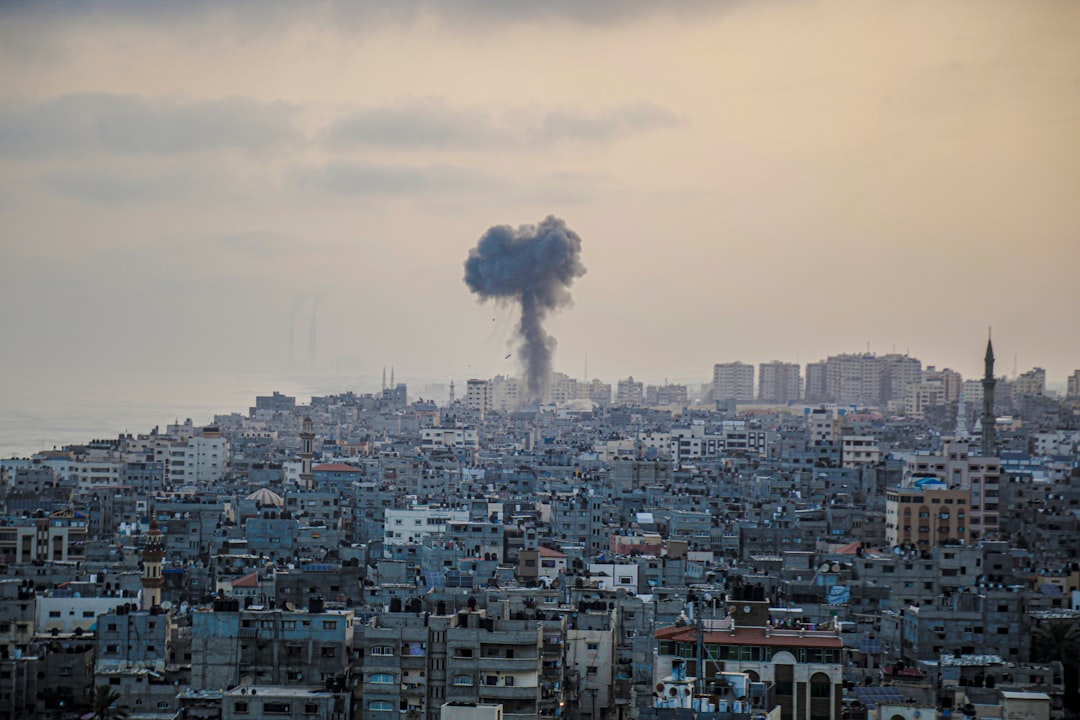
Israeli airstrikes have killed Palestinians in locations across the Gaza Strip, driving the number of people killed since the start of the current ceasefire period toward 1,000, according to reporting carried by the Palestine Chronicle.
The strikes underscore how precarious the truce remains for the roughly two million people living in the besieged enclave. A ceasefire is meant to halt hostilities and protect civilians, but the rising count of dead points to continued violence even as a formal pause in fighting is said to be in effect. With the toll nearing four figures, the pattern raises urgent questions under international humanitarian law, which obligates all parties to a conflict to distinguish between combatants and civilians and to refrain from attacks that cause disproportionate harm to noncombatants.
Human rights organizations, including the United Nations, Amnesty International, Human Rights Watch and the Israeli group B'Tselem, have for years documented patterns of civilian harm in Gaza and the occupied Palestinian territories, and have repeatedly called for independent investigations into possible violations of the laws of war. The continued casualties during a declared ceasefire are likely to intensify those calls for accountability and for unimpeded access for monitors and humanitarian workers.
For readers in Atlanta, the news lands close to home in more ways than distance might suggest. Metro Atlanta is home to a growing Palestinian and broader Arab American community, as well as Muslim, Jewish and interfaith congregations that have followed the war in Gaza with deep concern. Over the past two years, students at Georgia State University, Emory University, Georgia Tech and the Atlanta University Center have organized vigils, teach-ins and demonstrations calling attention to the humanitarian toll, while local advocacy groups have pressed Georgia's congressional delegation on U.S. policy toward the conflict.
The stakes are also tangible in Georgia's politics and economy. The state maintains long-standing trade and academic ties with Israel, and decisions made in Washington — where Georgia's senators and representatives help shape foreign aid and arms policy — directly influence the trajectory of the conflict. For Atlantans who have family in the region, or who simply want their tax dollars and their elected officials held to account, the reported death toll is not an abstraction but a measure of lives lost.
Humanitarian conditions in Gaza have been described by aid agencies as catastrophic throughout the war, with widespread displacement, shortages of food, water, fuel and medical supplies, and a health system pushed past the breaking point. Each new round of strikes compounds those conditions, displacing families who in many cases have already been forced to move multiple times. International law prohibits the forced transfer of protected populations and requires occupying powers to ensure the welfare of civilians under their control.
The reporting available on these latest strikes is limited, and independent verification of casualty figures in Gaza has been complicated by restrictions on press access and the dangers facing journalists on the ground. Press freedom organizations have noted that the war has been among the deadliest on record for reporters, a fact that makes the work of documenting events all the more difficult — and all the more essential.
As the death toll climbs toward 1,000 since the ceasefire began, advocates for Palestinian human rights argue that a truce in name is not the same as protection in practice. For Atlanta's diaspora communities and the residents standing with them, the demand remains consistent: a durable end to the violence, accountability for violations of international law, and the safe delivery of humanitarian aid to a population in desperate need.
Atlanta Star will continue to follow developments in Gaza and their reverberations across our city.
Originally reported by Google News — Gaza.