
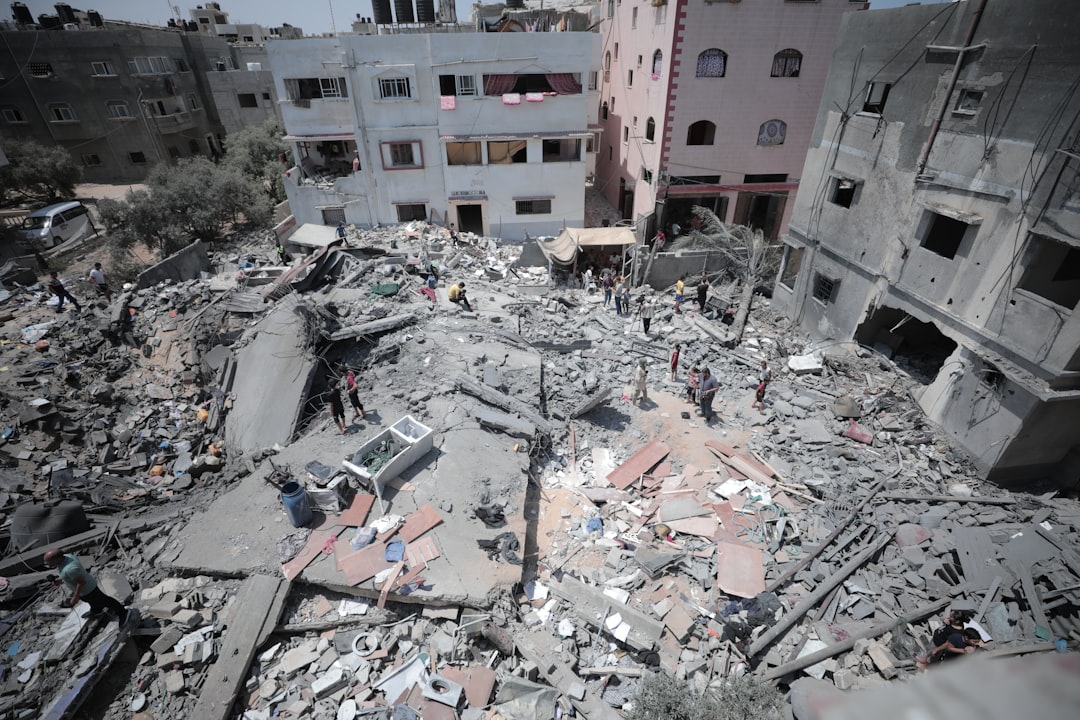
Despite a declared ceasefire, Israeli forces are killing an average of one child a day in the Gaza Strip, the United Nations says — a toll that underscores how precarious the truce remains for the territory's civilians, and especially its children.
The figure, reported by Al Jazeera, frames the continued deaths as a pattern rather than an aberration: even as the guns were supposed to fall silent, the youngest residents of Gaza have continued to die. For human rights advocates who have spent months documenting the war's impact on Palestinian civilians, the UN's accounting is the latest signal that a ceasefire on paper has not translated into safety on the ground.
International humanitarian law places special obligations on warring parties to protect children and other civilians, and to distinguish between combatants and noncombatants. A daily child death rate, sustained through a period meant to halt hostilities, raises pointed questions about whether those obligations are being met — and about what accountability, if any, will follow. Throughout the conflict, organizations including the UN and major human rights groups have warned that Gaza's children face not only the immediate danger of strikes but the compounding harms of displacement, the collapse of medical care, and shortages of food and clean water.
The UN's statement, as reported, is notable for its plainness. By distilling the violence into a single, grim average — a child a day — it strips away the abstraction that can accompany large casualty counts and insists on the human scale of the loss. Each number represents a family, a classroom seat left empty, a future foreclosed.
The story carries weight in Atlanta, a city with deep traditions of civil rights organizing and a vocal community of Palestinian Americans, students, faith groups, and human rights activists who have kept Gaza in the public conversation. Across metro Atlanta, campus organizations, mosques and churches, and advocacy coalitions have held vigils and teach-ins, pressed local and federal officials, and called for stronger protections for civilians abroad. Georgia's congressional delegation — including members who sit on committees with oversight of foreign policy and military aid — remains a focus for constituents demanding that U.S. influence be used to enforce the ceasefire and shield noncombatants.
For Atlanta readers, the UN's finding also lands amid an ongoing local debate over how American cities and institutions relate to the war: questions about humanitarian relief, the rights of protesters, and the responsibilities of elected leaders have all surfaced in town halls, on college campuses, and in city council chambers. A reported daily child death toll, even under a ceasefire, is likely to sharpen those conversations rather than settle them.
What the UN account makes clear is that the end of formal hostilities has not meant the end of danger for Gaza's children. As humanitarian organizations continue to press for unimpeded access, civilian protection, and independent investigation into possible violations of international law, the burden of proof — and of action — falls on the parties to the ceasefire and on the international community charged with upholding it.
AtlantaStar will continue to follow developments in Gaza and their reverberations across Georgia.
Originally reported by Google News — Gaza.