
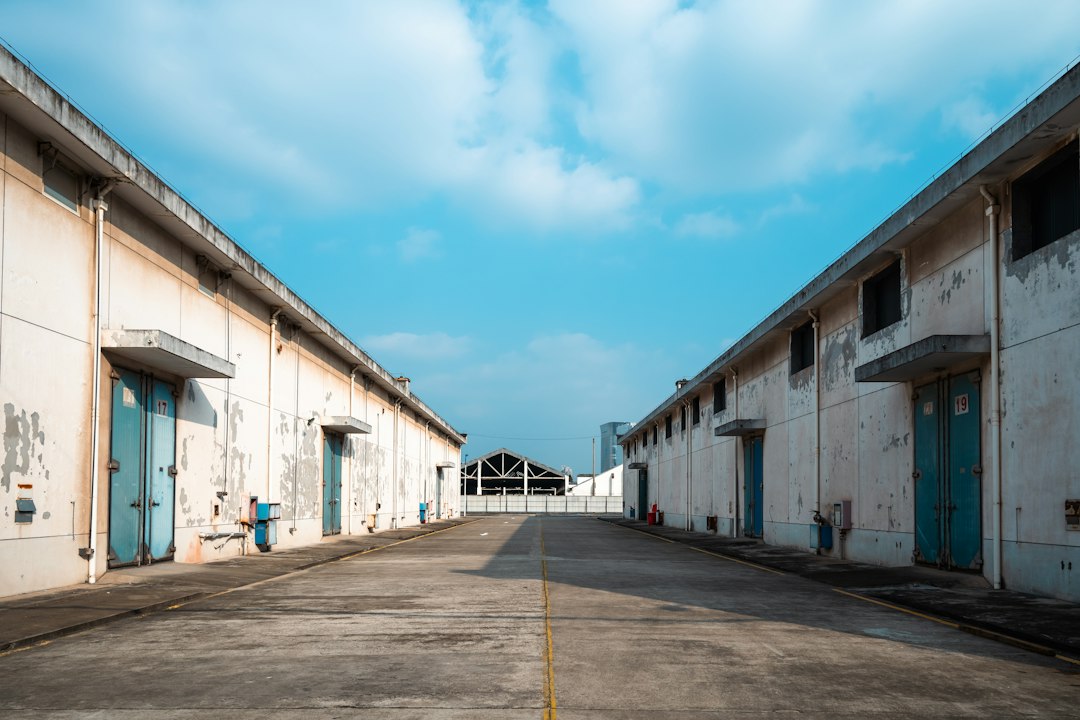
Warehouse properties that U.S. Immigration and Customs Enforcement purchased in Georgia with the intention of converting them into immigration detention centers are now up for sale, after the agency's plan for the sites was scrapped, CBS News reported.
The reversal is a notable turn for a state that has long been central to the federal immigration detention system, and it lands at a moment when communities across metro Atlanta have been closely tracking the footprint of federal enforcement operations in Georgia.
According to the reporting, the federal government acquired the warehouse space as part of an effort to stand up new detention capacity, then abandoned the conversion plan. The properties have since been placed on the market. That sequence — purchase, reversal, resale — means taxpayer-funded real estate bought for a specific federal purpose is now being offered back to private buyers without having served that purpose.
Several key details remain unclear from the available reporting, including what the government paid for the warehouses, what the properties are now listed at, why the conversion plan was dropped, and whether ICE intends to pursue detention capacity elsewhere in Georgia instead. AtlantaStar has not independently verified the terms of the sale.
For Atlanta readers, the significance is less about the buildings than about the pattern. Georgia already hosts some of the country's longest-operating immigration detention facilities, including the Stewart Detention Center in Lumpkin and the Folkston ICE Processing Center in southeast Georgia — both far from the metro area, and both the subject of sustained scrutiny from immigrant rights organizations and civil liberties groups over the years. A plan to convert industrial space into detention capacity would have marked a different model: repurposed warehouse facilities rather than purpose-built or contractor-run prisons.
The warehouse approach also raises practical questions that advocates and local officials have pressed in other states where similar conversions have been floated, including how such facilities meet detention standards for medical care, legal access, recreation and family visitation. Because the conversion plan was dropped, those questions are now moot at these particular sites — but they are likely to resurface anywhere the federal government next looks to add beds.
Industrial real estate is one of metro Atlanta's defining growth sectors, built around the region's interstate network, rail connections and Hartsfield-Jackson Atlanta International Airport. Warehouse and distribution space along Georgia's logistics corridors is in active demand from private operators, which means the listed properties may well find commercial buyers. That outcome would quietly return the sites to the economic use they were originally designed for.
What happens next is worth watching on two fronts. The first is the sale itself: who buys the properties, at what price, and whether the federal government recoups what it spent. The second is strategic: whether the decision to walk away from the Georgia warehouses reflects a narrower rethinking of detention expansion, or simply a relocation of those plans to sites that have drawn less attention.
For immigrant communities in Clarkston, Chamblee, Doraville, Norcross and across DeKalb and Gwinnett counties — among the most linguistically diverse areas in the Southeast — the question of where detention capacity is built, and how far it sits from lawyers, interpreters and family members, is not abstract. Distance from counsel has been a persistent concern raised about Georgia's existing rural facilities, and any new in-state capacity would renew it.
AtlantaStar will continue following the sale of the properties and any further federal announcements about detention capacity in Georgia.
Originally reported by Google News — Atlanta.