
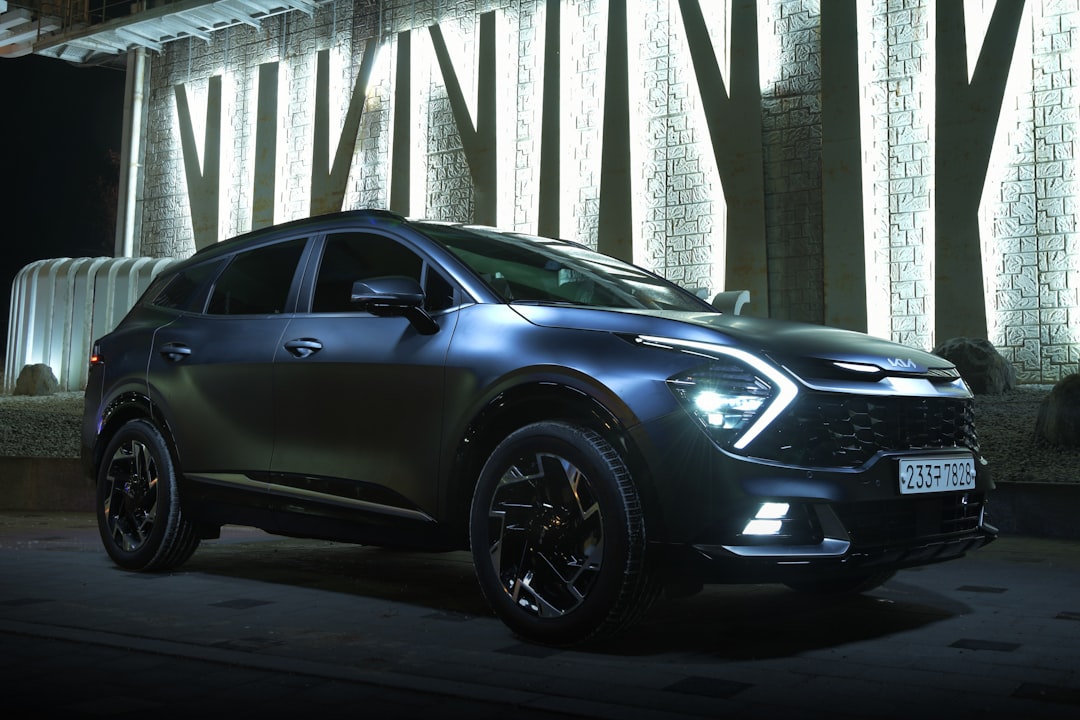
A blend of advanced factory robotics and strategically favorable politics is being credited with propelling the Kia Sportage Hybrid into Georgia automotive manufacturing history, according to a recent report from Torque News.
The account frames the hybrid SUV as a marker of how far the state's auto sector has come — and how deliberately public policy and private investment have been aligned to get there. For readers in metro Atlanta, the development is more than an industry footnote. Georgia's automotive corridor has become one of the most consequential economic engines in the Southeast, and vehicles like the Sportage Hybrid sit at the intersection of manufacturing muscle, clean-energy ambition, and the kind of political deal-making that draws major employers to the state.
The report emphasizes two forces working in tandem. The first is the role of advanced robotics on the production line, a signal of the increasingly automated, high-precision nature of modern vehicle assembly. The second is what the original headline describes as 'smart politics' — shorthand for the incentives, partnerships, and policy environment that have made Georgia an attractive home for automakers weighing where to build the next generation of hybrid and electric vehicles.
For Atlanta, the stakes are concrete. The region's prosperity has been increasingly tied to the broader automotive supply chain that fans out across the state, supporting parts suppliers, logistics operators, and skilled trades. Each new milestone in vehicle production tends to reverberate through that network, touching jobs and tax revenue well beyond any single plant floor. A hybrid model reaching a manufacturing milestone is also a barometer of where the industry is heading: toward electrified powertrains that demand new tooling, new training, and new workforce pipelines.
The progressive case for celebrating this kind of news is layered. On one hand, hybrid production advances the transition away from purely gasoline-powered transportation, a priority for a city grappling with air quality and climate resilience. On the other, the automation that makes these vehicles competitive raises long-running questions about the future of factory labor — how many workers a robotics-heavy plant employs, what those jobs pay, and whether the public incentives that lure manufacturers deliver a fair return to Georgia taxpayers.
Those tensions are not unique to any one company or model. They define the modern bargain that states across the South have struck to attract automakers: generous incentive packages and business-friendly policy in exchange for investment, jobs, and prestige. Georgia has leaned into that bargain aggressively over the past decade, and the Sportage Hybrid's place in the state's manufacturing narrative is, in part, a product of that strategy.
What remains worth watching, from an Atlanta vantage point, is the durability of the gains. Manufacturing milestones make for compelling headlines, but their value to working families depends on whether the accompanying jobs are stable, well-compensated, and accessible to the communities that host these facilities. As robotics continue to reshape the factory floor, the question for policymakers is how to ensure that efficiency on the production line translates into broad-based economic opportunity rather than concentrated corporate benefit.
The original report focuses on the achievement itself — the convergence of engineering and politics that put the Sportage Hybrid where it is today. For Georgia, and for the Atlanta region that anchors the state's economy, it is a reminder that the future of the auto industry is being built here, and that the terms of that future are still very much being negotiated.
AtlantaStar will continue to follow developments in Georgia's automotive sector and their impact on metro Atlanta's workers and economy.