
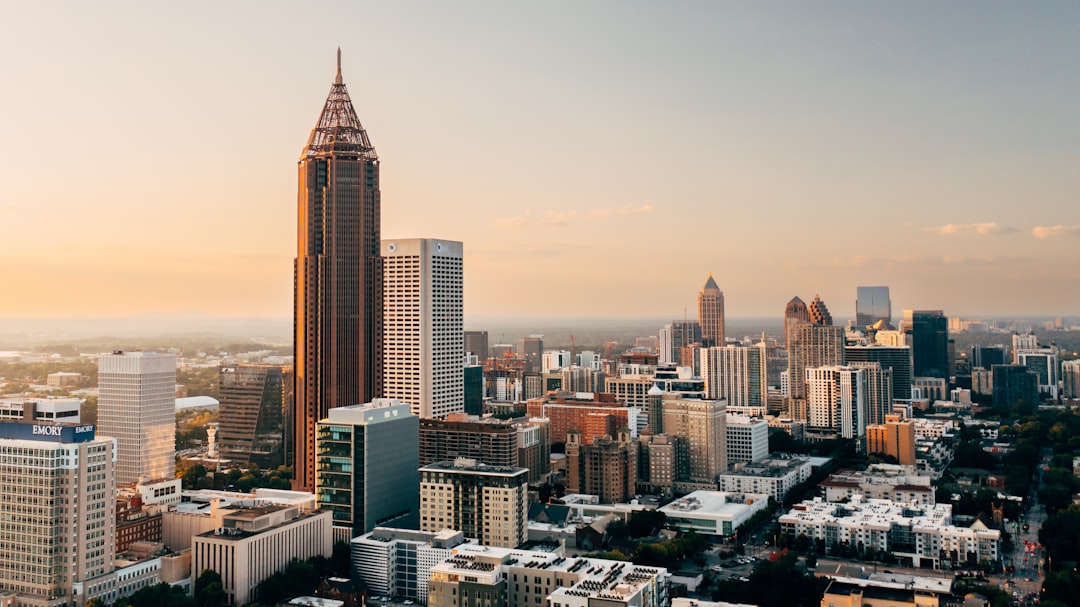
Atlanta braced for the crowds, and the crowds came. Roughly half a million FIFA fans poured into the city for World Cup festivities, packing hotels, MARTA platforms, restaurants and the streets around Mercedes-Benz Stadium. Yet the surge that many residents expected to bring a wave of disorder did not materialize. According to reporting on the event, crime in Atlanta actually dropped even as the visitor count soared.
The story is a notable one for a city that has spent years wrestling publicly with questions of public safety, policing and how it presents itself to the world. Major international events are often accompanied by anxieties — about overstretched police, opportunistic theft, traffic chaos and the strain that huge temporary crowds place on a host city. For Atlanta, long accustomed to playing host on the global stage, the FIFA influx was the latest and one of the largest tests of that capacity.
That the numbers moved in the opposite direction of those fears is significant. A drop in crime during a period of extraordinary population swell runs counter to the intuitive assumption that more people, more nightlife and more money in motion automatically translate into more incidents. Instead, the experience suggests that a heavily attended, well-watched, highly visible event can coincide with a calmer-than-usual stretch for a city.
For progressive Atlantans, the outcome offers a useful data point in the city's ongoing debate over what actually makes neighborhoods safer. Much of that conversation has centered on whether safety comes primarily from heavier policing or from the conditions that draw people together — lively public spaces, active streets, economic activity and a sense of shared occasion. A World Cup-scale gathering, by its nature, floods the city with exactly those ingredients: streets full of people, businesses operating at capacity, and a collective civic focus. The fact that crime fell during such a period is likely to feed arguments on multiple sides of that debate.
The economic dimension is hard to overstate. Half a million visitors represents an enormous infusion into Atlanta's hospitality, transit and service economies — the hotels of downtown and Midtown, the bars and kitchens of neighborhoods from the West End to Old Fourth Ward, and the rideshare and MARTA systems that move people across the metro. Events of this magnitude are precisely what city leaders point to when they justify the public investment that goes into landing them. A crime decline alongside that economic boost strengthens the case that Atlanta can absorb global crowds without sacrificing the day-to-day safety of the people who live here.
There are caveats worth keeping in mind. A single event, however large, is a snapshot rather than a trend, and short-term crime figures can be shaped by many factors — weather, heavy security deployment, the simple deterrent effect of dense crowds and visible attention. Whether the lessons of the FIFA stretch carry over to ordinary weeks in Atlanta is a question that policymakers, researchers and residents will be debating well after the last fans have gone home.
Still, the headline result is the kind of thing that reshapes a city's sense of itself. Atlanta wanted to show that it could welcome the world. It did — and, for at least this chapter, it did so while its streets grew safer rather than more dangerous. For a city often defined in national headlines by its struggles, that is a story worth telling.
Originally reported by Google News — Atlanta.