
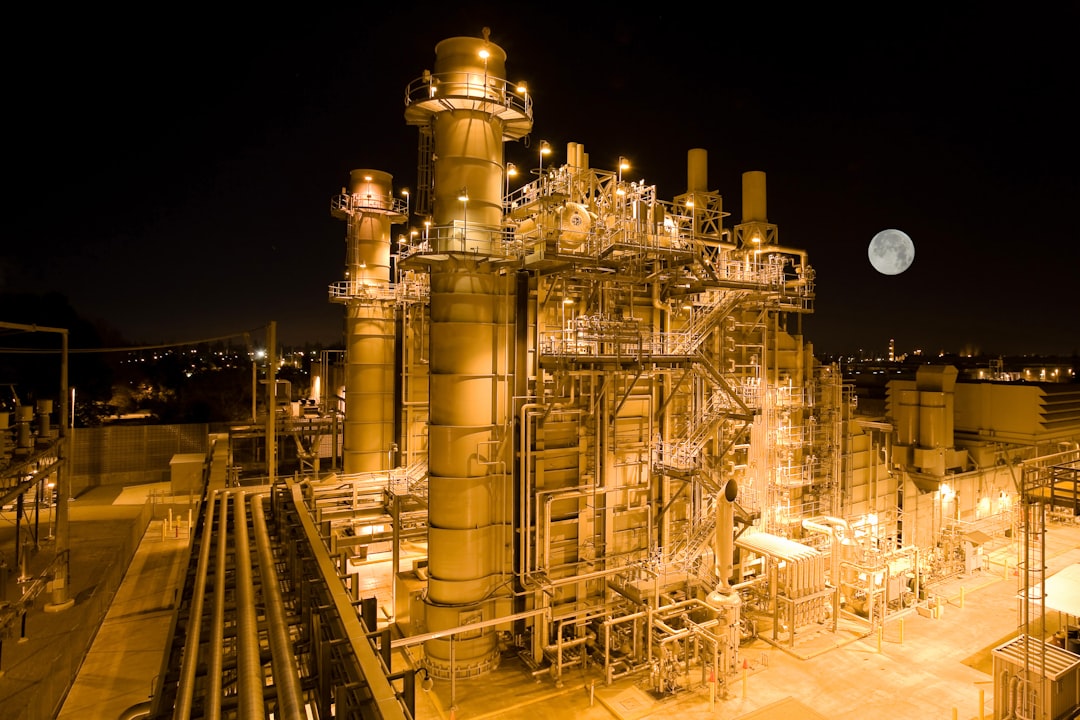
As Georgia races to attract data centers, the vast warehouses of computing power that run the internet's cloud, a new fight is emerging over how to keep them running — and who pays the environmental price. According to a report by the Atlanta Journal-Constitution, environmental and community groups say the state's first data center 'pop-up' power plant is breaking the rules.
The term 'pop-up' power plant describes exactly what it sounds like: a fast-deployed, often temporary generating station stood up to meet electricity demand that the existing grid cannot immediately supply. Data centers are extraordinarily power-hungry, and their explosive growth across metro Atlanta and the wider state has strained utilities' ability to keep pace. When demand outstrips supply, developers and power providers have increasingly turned to on-site or rapidly built generation to bridge the gap.
The groups cited in the original report contend that this particular facility is operating outside the rules meant to govern such generation. While the specifics of the alleged violations were reported by the Journal-Constitution, the dispute lands squarely at the intersection of two forces reshaping Georgia: an economic development boom built on data infrastructure, and the state's obligations to protect air quality and public health.
For AtlantaStar readers, the story is about more than one plant. It is about the climate math of Georgia's digital economy. Every new data center added to the grid raises the question of where its electricity will come from. If that answer is fast, fossil-fueled 'pop-up' generation, the state risks locking in new sources of pollution at precisely the moment climate scientists warn Georgia can least afford it.
Georgia is already living with the consequences of a warming climate. Hotter summers drive up demand for air conditioning, which in turn drives up electricity use — a feedback loop that makes new generation harder to avoid. The state's farmers contend with more erratic rainfall and heat stress on crops. Coastal communities near Savannah and the Golden Isles face rising seas and intensifying storms. Each of these pressures makes the source of Georgia's new power supply a matter of real consequence, not abstraction.
The controversy also underscores a governance gap. Rules that regulate power generation exist to ensure that plants meet emissions standards, secure proper permits, and give affected communities a voice. When groups allege those rules are being sidestepped to serve a data center's appetite for electricity, they are raising a question central to the energy transition: can Georgia grow its digital economy without shortcutting the environmental protections designed to keep that growth accountable?
There are cleaner paths. Georgia has expanded solar generation significantly in recent years, and utilities have explored battery storage to smooth demand spikes. Advocates argue that if the state is going to invite data centers at scale, the corresponding energy buildout should lean toward renewables and firm clean power rather than hastily assembled fossil generation. Doing so would align economic development with the state's exposure to climate risk rather than deepening it.
The outcome of this specific dispute may hinge on regulatory review and, potentially, legal challenge. But the larger stakes are already clear. Georgia is becoming a national hub for data infrastructure, and the decisions made now — about permitting, about generation sources, about who is held to the rules — will shape both the state's economy and its carbon footprint for years to come.
AtlantaStar will continue following how Georgia balances the promise of a data-driven economy against the environmental cost of powering it.
Originally reported by Google News — Atlanta.