
Georgia voters are choosing a new attorney general, and for the first time in years the state's top legal office is on the ballot without an incumbent's name attached to it.
Democrat Tanya Miller and Republican Brian Strickland are competing to replace Attorney General Chris Carr, who ran for governor rather than seek reelection. That decision turned one of the most consequential jobs in state government into an open seat — a rare opening for either party to take the office without having to unseat a sitting officeholder.
11Alive Atlanta is following the contest with an interactive county-by-county map, a tool that breaks the statewide result into its 159 individual pieces. For readers in Atlanta, that granularity is the whole point. Statewide races in Georgia are rarely decided by a single number on election night; they are decided by how the metro core performs against the rest of the map, and by which counties have finished counting when the first totals appear.
That makes the map less a scoreboard than a reading guide. Fulton, DeKalb, Clayton, Gwinnett and Cobb counties together hold a large share of the state's registered voters, and the pace at which their ballots are tabulated can swing the apparent shape of a race for hours. Counties also report in different sequences depending on how they process absentee, early and Election Day ballots, so an early margin in one part of the state can look very different once the metro counties post their returns. A county-level view lets voters see which jurisdictions are still outstanding instead of guessing from a single statewide bar.
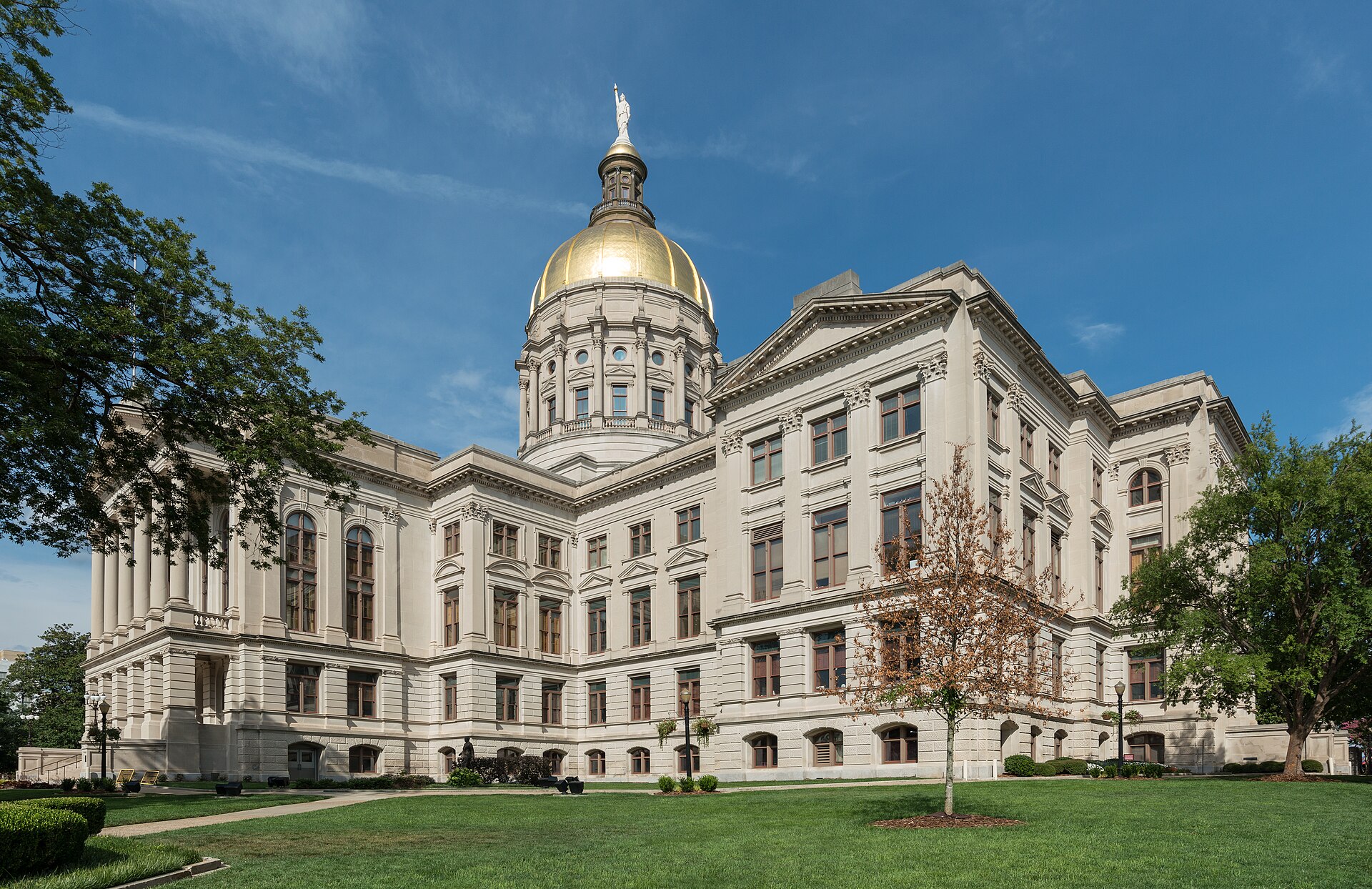
The office itself touches daily life in Atlanta more than its low profile suggests. The attorney general leads the Georgia Department of Law, based downtown near the state Capitol, and serves as the state's chief legal officer. The office represents state agencies and officials in court, handles criminal appeals, issues formal legal opinions that guide how state law is applied, runs the consumer protection division that fields complaints from Georgia residents, and pursues Medicaid fraud cases. It also decides whether Georgia joins multistate litigation — the mechanism through which state attorneys general across the country have increasingly shaped national policy fights.
For city residents, those duties are not abstract. The attorney general's office is frequently the state's voice in legal disputes involving local governments, and its consumer protection work is one of the few direct channels an individual Atlantan has into state enforcement. Decisions about which cases the office takes on, which it declines, and which coalitions Georgia signs onto fall largely to whoever wins.
The contest also arrives without the familiar shorthand of an incumbency fight. Carr's move to the governor's race removed the usual frame of a record to defend or attack, leaving Miller and Strickland to define the office's priorities on their own terms. Voters evaluating the race are therefore weighing two visions of the job rather than a referendum on the person holding it.
As results are posted, the county map offers a practical caution for anyone watching closely: partial returns are partial. Georgia's larger counties, including those in metro Atlanta, often account for an outsized share of the ballots that remain uncounted late into the night, and margins have shifted meaningfully in past cycles as those votes were added. Readers tracking the attorney general's race are better served by watching which counties have reported than by watching the statewide total alone.
The winner will inherit an office with broad discretion, a statewide mandate and a docket that regularly intersects with Atlanta's courts, agencies and residents.
Originally reported by 11Alive Atlanta.