
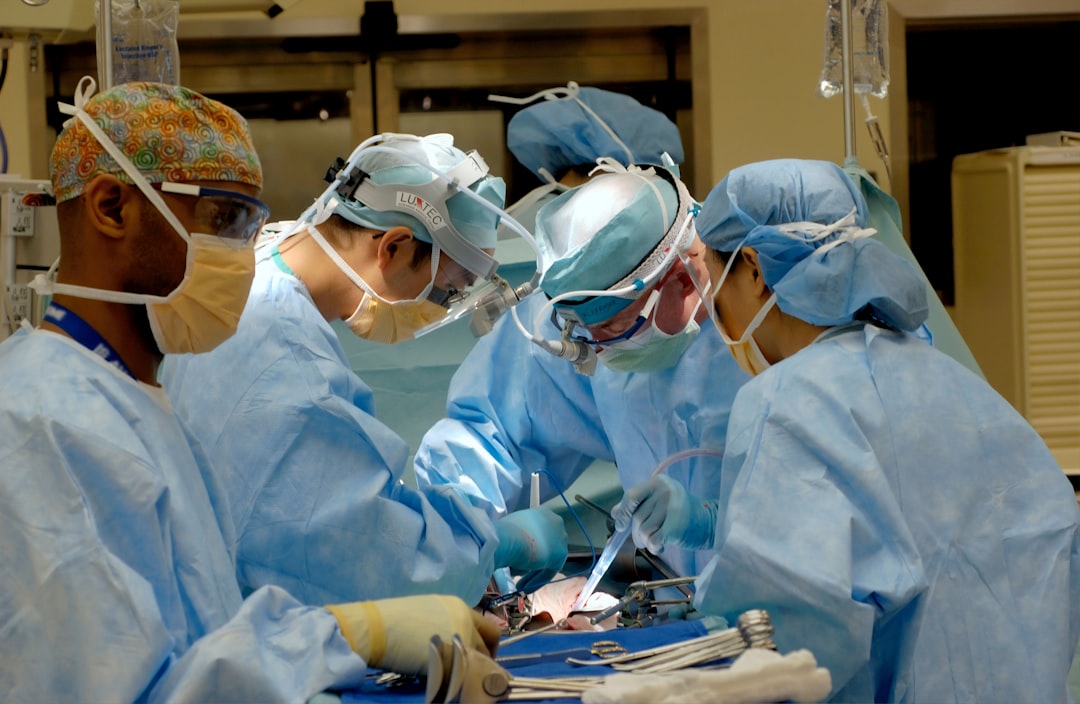
A man has survived for a record nine months with a genetically modified pig kidney, a milestone in the field of xenotransplantation that researchers say could eventually address the chronic shortage of human donor organs. The achievement, reported by The Guardian, marks the longest documented period a person has lived with a non-human organ.
The procedure involves transplanting a kidney from a pig that has been genetically altered to reduce the likelihood of rejection by the human immune system. While details about the patient and the specific modifications remain limited in the initial report, the nine-month survival period surpasses previous attempts, which often lasted only days or weeks.
For Atlanta, a city home to major transplant centers such as Emory University Hospital and Piedmont Atlanta Hospital, the news carries particular resonance. Many Georgians are currently waiting for a kidney transplant, often relying on dialysis while they hope for a compatible donor. The prospect of using specially bred animal organs could one day shorten those waits and save lives.
Although this particular procedure was not performed in Atlanta, the city's medical research community has long been at the forefront of transplant science. Emory's transplant program is among the largest in the Southeast, and its physicians frequently collaborate on national studies aimed at expanding the donor pool. The nine-month record adds momentum to those efforts, even if widespread clinical use of pig organs remains years away.
The shortage of human donor kidneys remains a critical public health issue, and many patients face long waits for a compatible organ. While the nine-month survival of a pig kidney is not yet a cure, it provides strong evidence that xenotransplantation could become a viable option as researchers refine genetic modifications and immunosuppressive therapies.
The Guardian's report did not specify where the procedure took place or the identity of the patient, but it underscored the rapid progress being made in the field. For now, the focus remains on careful clinical evaluation and long-term monitoring to ensure such transplants are safe and effective.
This story was originally reported by Google News — World, citing The Guardian. For AtlantaStar.co readers, the development offers a glimpse of how medical innovation could reshape transplant care in the coming decade.