
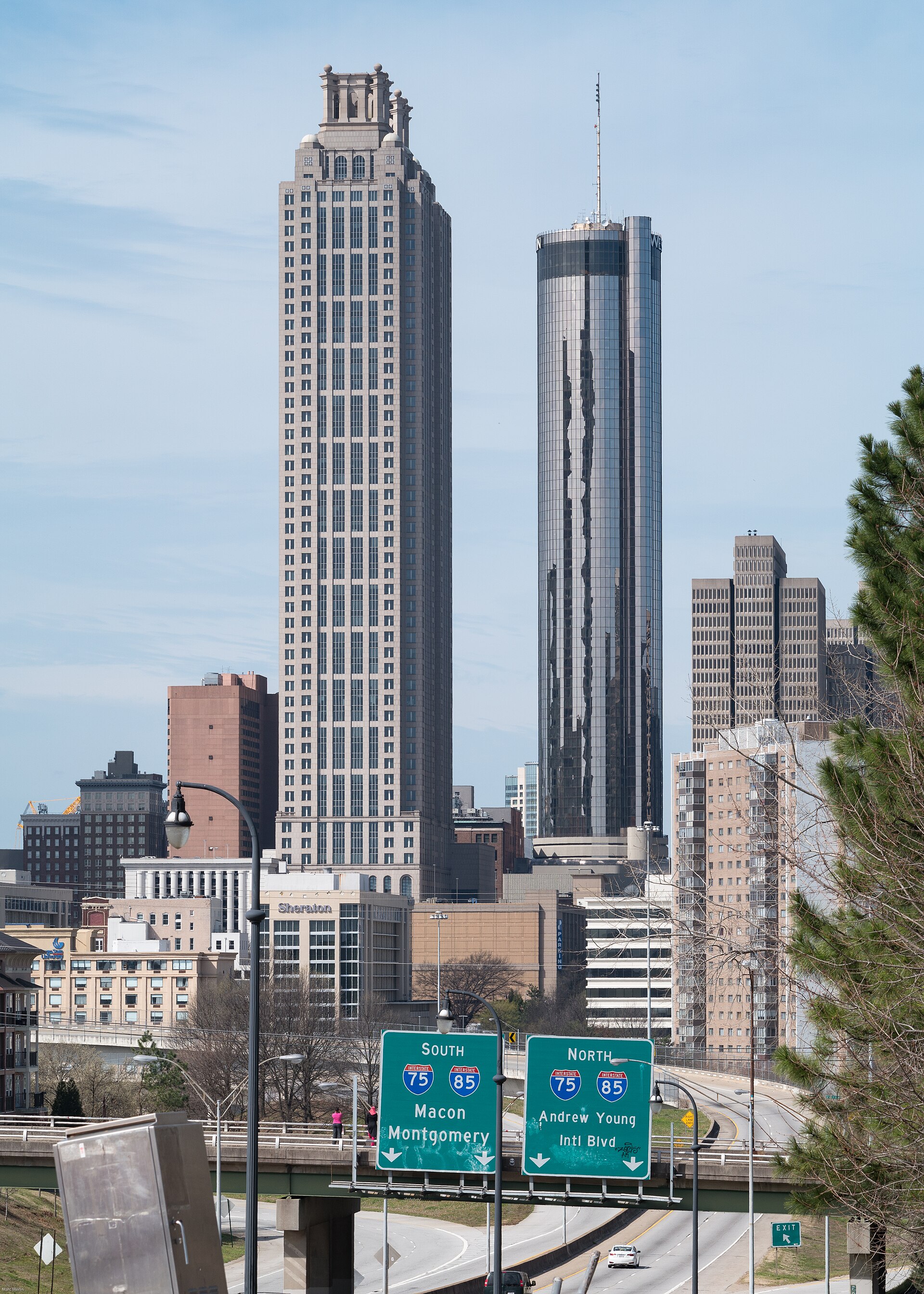
Downtown Atlanta is buzzing — and not just with the usual rhythms of a Southern capital in summer. As the FIFA World Cup brings global attention to the city, the heart of Atlanta is undergoing a transformation that researchers and residents alike are watching closely.
According to the Georgia Tech News Center, the tournament is acting as a catalyst for change across downtown, reshaping the streets, public spaces and civic energy of the area surrounding Mercedes-Benz Stadium. The World Cup, one of the most-watched sporting events on the planet, has long been understood as a force that can redraw a host city's map — and Atlanta is now living that reality.
For a city that has staked much of its modern identity on being a hub for international events, the moment carries particular weight. Atlanta hosted the 1996 Summer Olympics, a turning point that left lasting marks on its skyline, parks and neighborhoods. The World Cup represents the next chapter in that lineage, and the buzz it is generating downtown reflects both the promise and the pressure of being a global stage.
The reshaping of downtown is more than symbolic. Major tournaments tend to accelerate investment, draw visitors from around the world and concentrate civic attention on the urban core — the very district that Atlanta has spent years working to revitalize. The energy now coursing through downtown, as documented by Georgia Tech researchers, speaks to how a single event can compress years of change into a compressed window of preparation and anticipation.
For Atlanta readers, the story is a familiar one with high stakes. Downtown has been the subject of sustained debate over development, affordability and who benefits when the spotlight arrives. The questions that accompany a mega-event — about lasting investment versus temporary spectacle, about which communities gain and which are left behind — are the same ones that have shaped conversations across the city for decades.
The involvement of Georgia Tech, one of Atlanta's anchor institutions and a neighbor to the downtown core, underscores how the city's universities are positioned to study and shape these shifts. Located just north of the central business district, Georgia Tech has a direct stake in how the area around it evolves, and its researchers are documenting the changes as they unfold rather than only in hindsight.
As Atlanta prepares to welcome the world, the transformation of its downtown serves as a live case study in how global sport intersects with local life. The buzz is real, the construction and energy are visible, and the long-term legacy — for residents, businesses and the public spaces they share — remains the central question.
What happens after the final whistle will determine whether the World Cup's reshaping of downtown Atlanta becomes a durable improvement or a fleeting moment of attention. For now, the city is leaning into the spotlight, and the heart of Atlanta is being remade in real time.
Originally reported by Google News — World.