
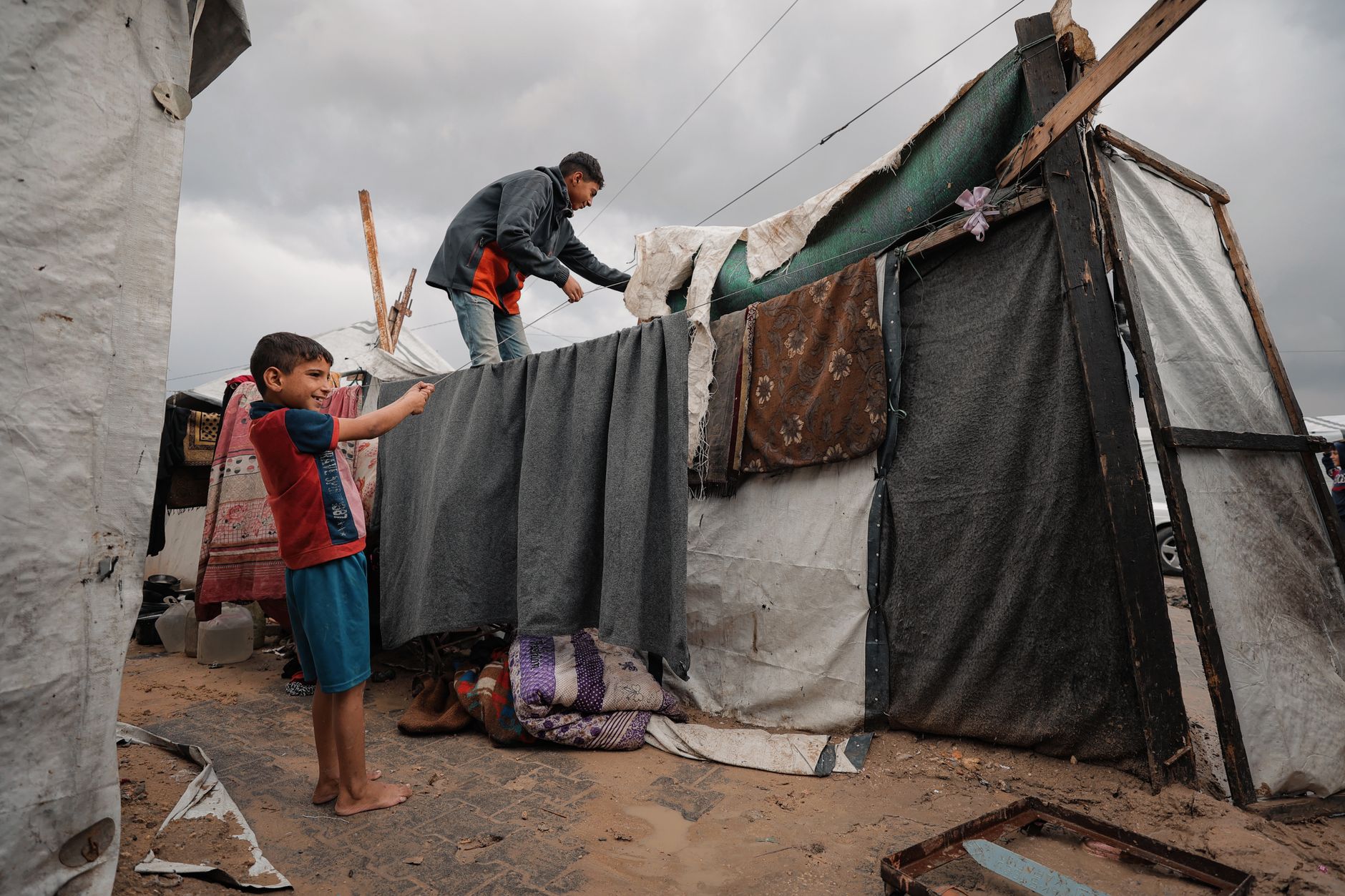
Gaza authorities allege that Israel is blocking 65% of the humanitarian aid required to sustain the enclave's population, a practice they have labeled "starvation engineering." The accusation, reported by the Palestine Chronicle, comes as international observers warn of famine conditions across the strip.
Since the outbreak of war following the October 7 attacks, Israel has imposed a near-total siege on Gaza, allowing only a fraction of pre-war aid shipments. The United Nations and aid agencies have repeatedly said that restrictions on food, water, medicine, and fuel violate international humanitarian law, which requires occupying powers to ensure the welfare of civilians. The term "starvation engineering" suggests a deliberate policy, though Israeli officials have denied such intent, blaming Hamas for diverting supplies and citing security concerns.
The crisis has reverberated in Atlanta, home to one of the largest Palestinian and Jewish communities in the Southeast. In recent months, the city has witnessed a series of protests, interfaith prayer services, and city council resolutions calling for a ceasefire and increased humanitarian access. Local activists, including members of the Atlanta Palestine Coalition and Jewish Voice for Peace Atlanta, have lobbied Georgia's congressional delegation to condition military aid to Israel on compliance with international law.
Atlanta's history as a cradle of the civil rights movement gives the issue particular resonance. Faith leaders from historically Black churches have joined with Muslim and Jewish congregations to demand an end to what they describe as collective punishment. The Atlanta City Council passed a resolution in early 2024 calling for a bilateral ceasefire and the unfettered delivery of humanitarian aid, reflecting growing grassroots pressure on local officials to take a stand on foreign policy.
Human rights organizations such as Amnesty International and Human Rights Watch have documented patterns that may constitute war crimes, including the use of starvation as a weapon of war. The International Criminal Court has opened an investigation into the situation in Palestine. Experts say that if the allegations of aid blockage are proven, those responsible could face prosecution under the Rome Statute.
For Atlanta, the stakes are not abstract. Many residents have family in the region, and the city's role as a hub for refugee resettlement and international diplomacy means that local voices are part of a global conversation. As the humanitarian catastrophe worsens, the demand for transparency and accountability grows louder on Peachtree Street and beyond.
Originally reported by Google News — Gaza. Source: https://news.google.com/rss/articles/CBMiowFBVV95cUxQcHhJUXNLR2V2SzkwMWUyemJPQ1psSkpsYmhCMkdRLXZhYVpjeDRXQVZ3bWlZV3dWSXRSV1dQQnhsalA5TWw3eEgzM185VjF6QkM4RzNxS2g0dW43YTlkLTE2UVNuZ250aWhDQXVDTHV2NXZWWkZWM1pwdl9zeXJrNmtpa1dveTBlNjYzaW5TUlc0eTRIcXl6aHI3eHo1blVEdnZj?oc=5