FIFA has officially scrapped a widely condemned plan that threatened to upend how millions of fans watch the World Cup, a move greeted with relief in Atlanta as the city gears up to host matches in the 2026 tournament.
The governing body confirmed this week that it is “not moving forward” with the controversial sell-off model, which had drawn sharp criticism from broadcasters, sponsors, and host cities around the globe. While FIFA did not release full details, multiple news outlets had reported that the proposal would have allowed a single media company to purchase worldwide rights to the men’s and women’s World Cups, potentially shifting broadcasts away from free-to-air networks and restricting local coverage. That prospect raised immediate concerns about access, affordability, and the ability of communities in host nations to connect with the games.
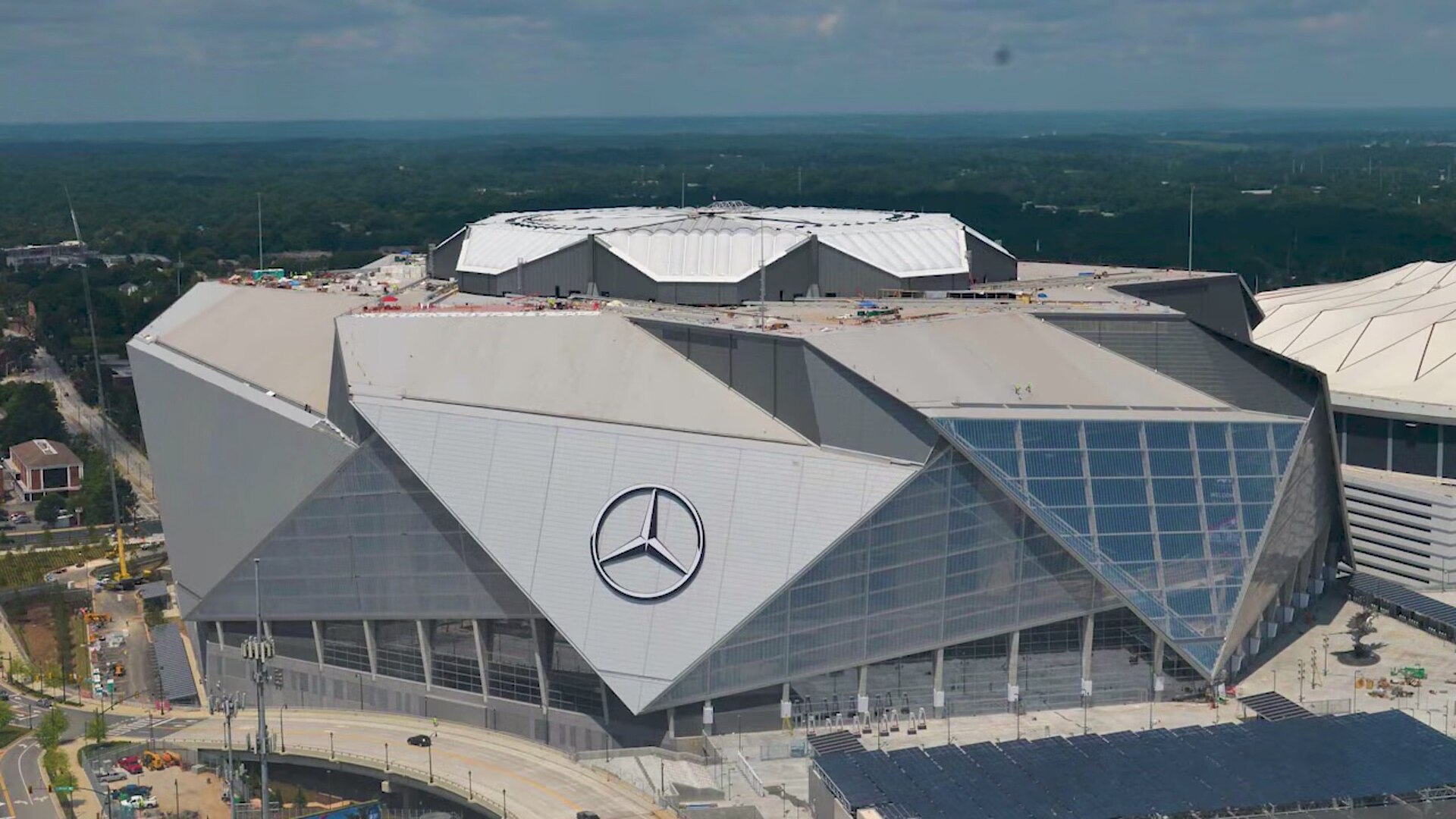
For Atlanta, which is set to stage several matches at Mercedes-Benz Stadium as one of 16 North American host cities, the reversal is a significant win. The city has invested heavily in the 2026 event, with officials touting the tournament as a once-in-a-generation opportunity to showcase Atlanta’s vibrant soccer culture and boost the local economy. A centralized rights sale could have complicated public viewing parties, fan festivals, and the grassroots outreach that local organizers have been planning for years.
“Our bid was built on the promise of making the World Cup accessible and exciting for everyone in the region,” an Atlanta World Cup Host Committee spokesperson had noted earlier when the controversy erupted, without commenting directly on the FIFA plan. “We take very seriously the need for broadcast coverage that reflects the diversity and energy of our city.”
Atlanta’s role as a soccer hub has grown rapidly since Atlanta United’s 2017 debut and the 2024 Copa America matches at Mercedes-Benz Stadium. The 71,000-seat venue is expected to host at least five World Cup matches, including a potential semifinal, drawing hundreds of thousands of visitors and a global television audience. Local youth leagues, immigrant communities, and the city’s robust sports business sector all stand to benefit from a tournament that feels inclusive rather than exclusive.
The abandoned FIFA plan had also alarmed public officials who feared that concentrating broadcast rights in the hands of a single platform—rumored to be a tech giant like Apple—would price out ordinary fans and undermine the cultural reach of the World Cup. In Atlanta, where nearly 40% of households already rely solely on streaming services, there were additional concerns about digital divides and the risk of limited local-language commentary. The decision to shelve the idea ensures that traditional broadcast partners, such as Univision and Telemundo in Hispanic communities, can continue to provide deeply rooted coverage.
Moreover, Atlanta’s preparations for 2026 go well beyond stadium logistics. The city has allocated millions of dollars for transportation upgrades, security, and community programming tied to the tournament. A media-rights fire sale could have thrown those plans into disarray, making it harder to coordinate with corporate sponsors and local media outlets that have already begun investing in World Cup-themed content.
FIFA’s pivot also aligns with the broader push for transparency and equity in global sports. The organization has faced sustained scrutiny over its governance, and the sell-off plan was seen by critics as another attempt to prioritize revenue over the game’s global mission. For progressives in Atlanta, the outcome reinforces the value of public pressure and the need to keep major sporting events rooted in the communities that host them.
With the controversy now behind them, Atlanta organizers are turning their attention back to ticket sales, volunteer recruitment, and fan engagement. Mercedes-Benz Stadium’s retractable roof and downtown location make it a marquee venue, and the city expects to release a full lineup of events leading up to the tournament in the coming months.
“Atlanta has always been a city that shows up big for soccer,” said Katiuscia Freire, a longtime youth coach and founder of a nonprofit serving immigrant families through sports. “The World Cup has to be for everyone—not just the people who can afford the most expensive streaming package. FIFA’s decision is a victory for our kids, our neighborhoods, and the authentic spirit of the game.”
While FIFA’s official statement remains brief, the episode serves as a reminder that even the most powerful sports institution must listen to the voices of host cities and fans. For Atlanta, the 2026 World Cup just became a little more real—and a little more accessible.