
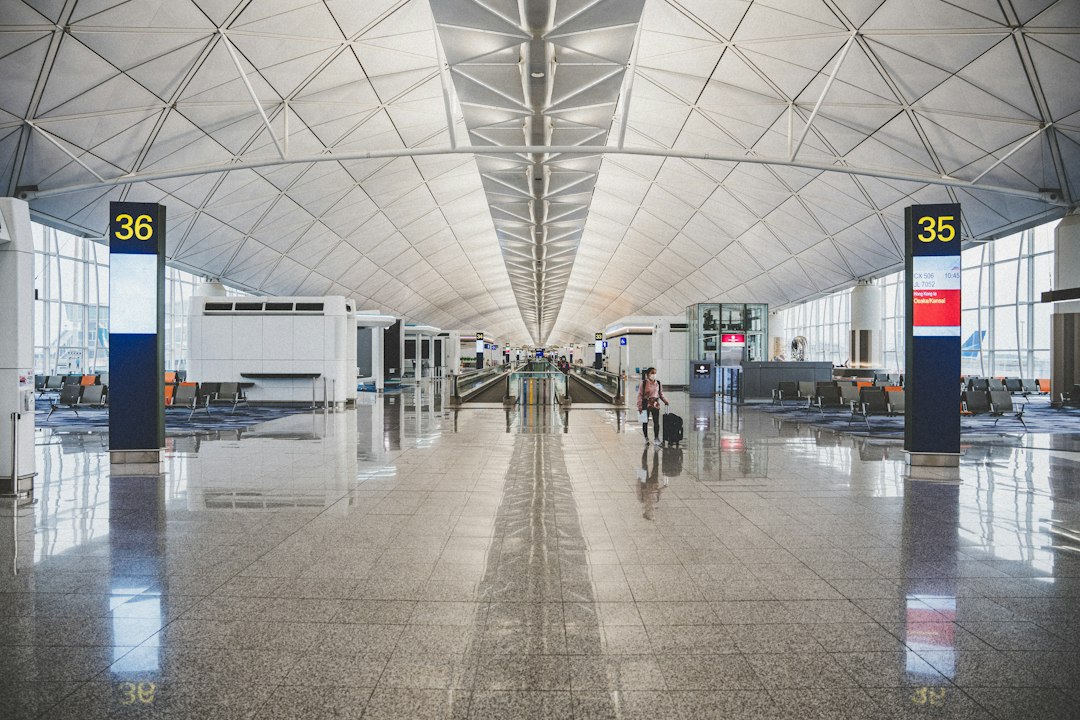
Travelers moving through Hartsfield-Jackson Atlanta International Airport this weekend should plan for a longer, less predictable trip. The head of the Federal Aviation Administration said disruptions across the U.S. air travel system will persist until late on Sunday, according to a report by Reuters.
The FAA administrator's assessment, as reported, sets an expected end point rather than an all-clear: the agency anticipates that the strain on flight operations will continue into the final hours of the weekend before conditions normalize. Reuters did not report a breakdown of which specific airports or regions would be hit hardest, nor a count of affected flights.
For Atlanta, that distinction matters less than the arithmetic. Hartsfield-Jackson has for years ranked as the busiest passenger airport in the world and serves as the largest hub in Delta Air Lines' domestic network. A substantial share of the airport's traffic is connecting traffic — passengers who never leave the terminal and who depend on two flights, in two different parts of the country, both running close to schedule. When the national system slows down, that structure turns Atlanta into an amplifier. A delay that originates in the Northeast or the Midwest can surface three hours later as a missed connection on Concourse B.
That same dynamic cuts the other way during a recovery. Because so many itineraries route through Atlanta, improvement in the national picture tends to register quickly at Hartsfield-Jackson once aircraft and crews are back where the schedule expects them to be. The FAA's late-Sunday marker, if it holds, would point toward a more stable Monday morning for the business travelers who make up a large part of the airport's early-week volume.
The practical advice for Atlanta passengers is unglamorous and familiar to anyone who has flown out of the world's busiest airport during a bad stretch. Check flight status directly with the airline before leaving for the airport rather than relying on a schedule printed days earlier. Build in extra time for the domestic terminal's security lines and the Plane Train, both of which absorb crowds that back up when departures bunch together. Where airlines offer same-day changes or waivers, those options tend to disappear as the weekend wears on and seats fill with rebooked travelers.
The disruptions also carry weight beyond individual itineraries. Air travel is a significant piece of metro Atlanta's economy — the airport supports tens of thousands of jobs directly and anchors a logistics and hospitality sector built around reliable connectivity. Sustained interruptions ripple into hotel occupancy, ground transportation and the convention business that depends on visitors being able to arrive on the day they said they would.
State and local officials have no direct authority over the national airspace system; air traffic control is a federal function, and the FAA sets the flow restrictions that determine how many aircraft can move through a given stretch of sky or into a given airport in a given hour. What Georgia's congressional delegation can influence is the longer-term question of how the agency is funded and staffed — a debate that tends to resurface each time the system shows strain.
Atlanta Star will update this story as additional details become available.
Originally reported by Google News — Reuters.