
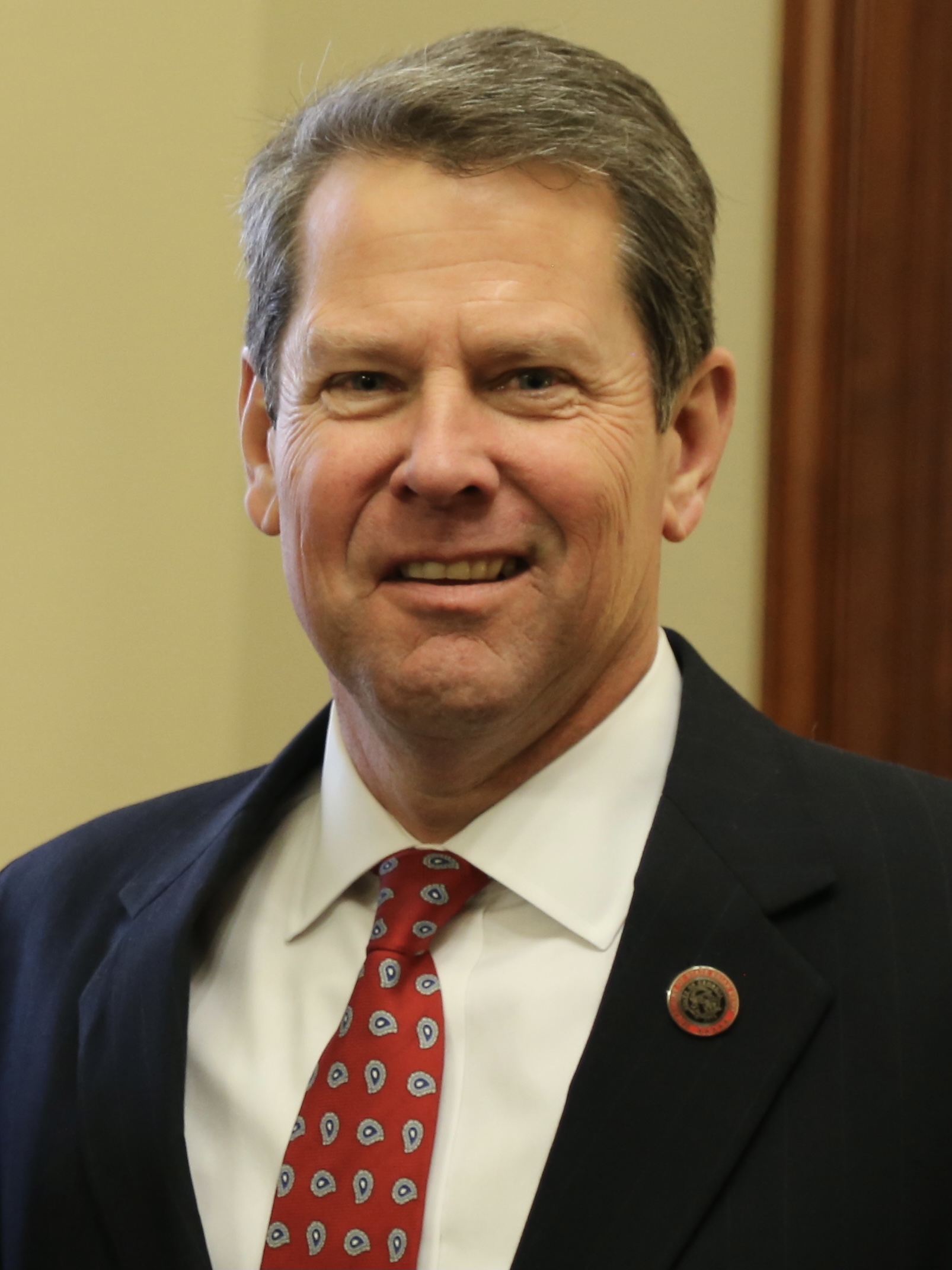
A Republican campaign swing through Middle Georgia alongside Gov. Brian Kemp was meant to project unity and momentum. Instead, it surfaced an uncomfortable storyline for the party: state lawmakers leveling allegations of "pay-to-play politics," according to reporting from WGXA.
The candidate, Dooley, appeared with Kemp in the region in a show of establishment support — the kind of high-profile backing campaigns typically tout as a sign of strength. Pairing a contender with a sitting governor is a classic play to signal that a candidacy carries the weight of the party apparatus behind it. But the day was framed less by the rally and more by the accusations swirling around it, as lawmakers raised concerns about the relationship between political access and influence.
For Atlanta readers watching the 2026 landscape take shape, the episode is a small but telling data point. Middle Georgia sits outside the metro core, but the political currents running through it ripple north to the suburbs that increasingly decide statewide races. The Atlanta region — Fulton, DeKalb, Cobb and Gwinnett counties — has trended away from Republicans in cycle after cycle, and the suburban voters who power those margins have shown little patience for the appearance of insider dealing.
That is what makes the "pay-to-play" framing politically dangerous for the GOP. The allegation, raised by lawmakers themselves rather than opposing campaigns, cuts at exactly the vulnerability that has dogged Republicans in recent Georgia elections: the perception that the party serves its own machinery rather than ordinary voters. Even when such claims are contested, they reinforce a narrative that has helped Democrats run up margins in the very precincts where statewide elections are now won and lost.
Kemp remains one of the more durable Republican figures in Georgia, having won reelection in 2022. But a governor's personal brand does not automatically transfer to the candidates he endorses — and in a midterm environment, attaching an establishment imprimatur to a contender already facing ethics questions can be a double-edged sword. The more a campaign leans on the party's heavyweights, the more it owns the party's liabilities.
National forecasters have repeatedly pointed to candidate-quality problems as a recurring drag on Republican prospects, and disputes over influence and access fit squarely within that pattern. A campaign that spends its trail days answering questions about "pay-to-play" allegations rather than driving its own message is a campaign on defense — rarely a sign of strength heading into an election year.
The specifics of the lawmakers' allegations, and any response from the Dooley campaign or the governor's office, remain to be fully reported. What is already clear is the shape of the political problem: a Middle Georgia event meant to showcase Republican confidence instead spotlighted internal friction and ethics concerns at a moment when the party can least afford either.
As the midterm cycle accelerates, AtlantaStar will continue tracking how these developments play in the metro suburbs that hold the balance of power in Georgia politics.
Originally reported by Google News — Georgia Politics.