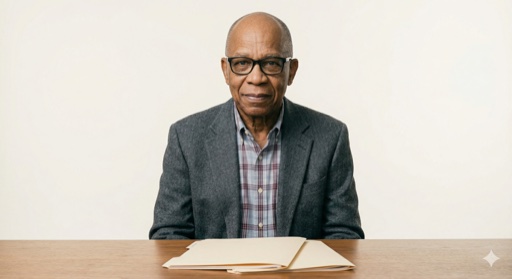
Dolores Huerta, the California labor leader and civil rights champion whose organizing helped define the modern American farmworker movement, has died at the age of 96, The Guardian reported.
Huerta spent more than six decades in the labor and civil rights movements. She co-founded the organization that became the United Farm Workers alongside Cesar Chavez, and she spent her career pressing for better wages, safer working conditions and basic dignity for the people who harvest the nation's food — workers long excluded from many of the core protections that cover other American employees. She is also credited with coining the rallying cry "Sí, se puede" — "Yes, we can" — a phrase that traveled far beyond the fields and into a half-century of American political speech.
Her death closes a chapter that began in an era when farm labor organizing was widely considered impossible. Agricultural workers were left out of the National Labor Relations Act of 1935, a carve-out that denied them the federally protected right to organize and bargain collectively that most other private-sector workers received. That exclusion has never been fully undone at the federal level, which is why the strategies Huerta helped pioneer — consumer boycotts, coalition-building with faith and student groups, direct lobbying of state legislatures — remain the toolkit for farmworker advocates today.
That toolkit is not a California artifact. It is in active use in Georgia.
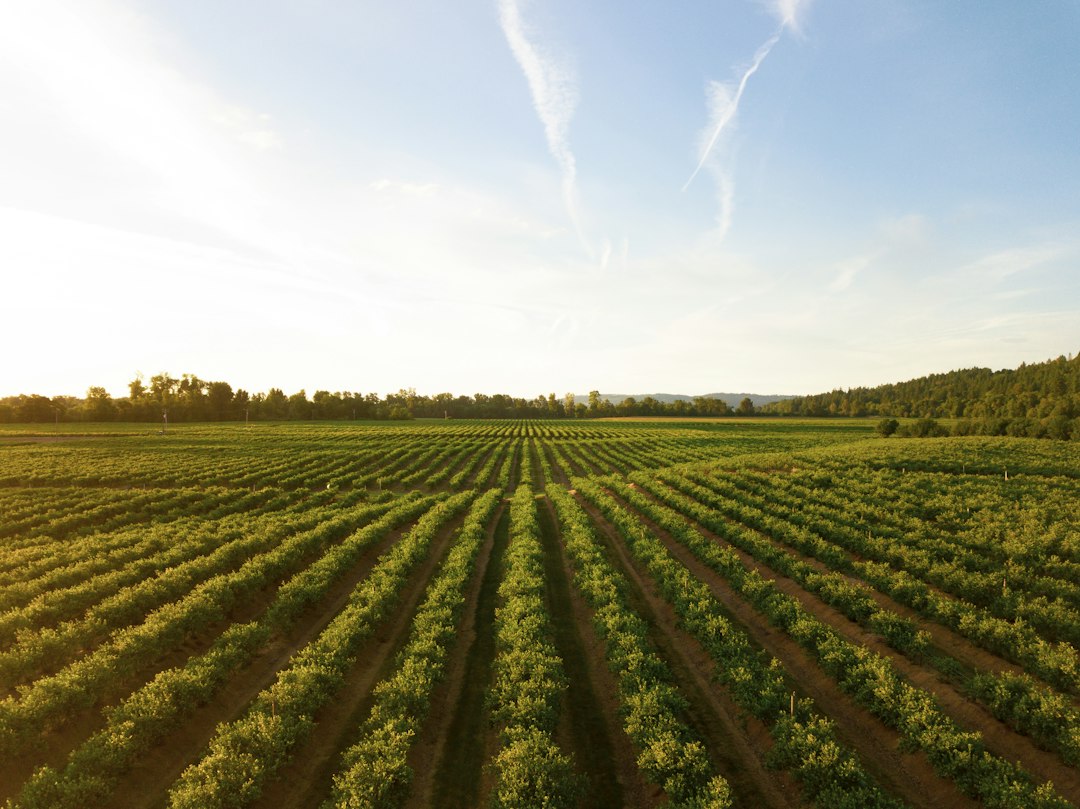
Agriculture is Georgia's largest industry, and the state's harvests of Vidalia onions, peaches, blueberries, pecans and vegetables depend heavily on seasonal labor, including a large and growing population of workers brought in under the federal H-2A temporary agricultural visa program. Georgia is consistently among the top states in the country for H-2A certifications. Those workers — housed in employer-controlled quarters, tied by visa to a single employer, and often working in extreme summer heat — occupy much the same structural vulnerability Huerta spent her life documenting and fighting.
Advocacy organizations based in and around Atlanta have built their work on that foundation for decades, pressing for heat-illness protections, wage-theft enforcement, pesticide safeguards and legal representation for workers in South Georgia's farm belt. The Georgia Capitol, two hours north of most of that farmland, is where those fights are generally won or lost.
Huerta's legacy also runs through metro Atlanta's demographic transformation. The Latino population across the metro region has grown substantially over the past three decades, concentrated along the Buford Highway corridor and across Gwinnett, DeKalb, Hall and Cobb counties. Huerta was among the first national figures to argue that labor rights, immigrant rights and voting rights were a single project rather than three separate ones — an argument that maps directly onto the organizing landscape in Georgia, where naturalization drives, voter registration pushes and workplace campaigns frequently share staff, volunteers and storefronts.
She was a persistent advocate for women's leadership within movements that often sidelined it, and she frequently pushed back against a historical record that credited Chavez while rendering her own role secondary. That critique found a wide audience in later decades, as documentaries, biographies and school curricula began restoring her to the center of the story. In 2012, she received the Presidential Medal of Freedom, the nation's highest civilian honor.
For Atlanta — a city whose civil rights history is its most exported asset — Huerta's death is a reminder that the movement she helped build was always a parallel and intertwined one, drawing on the same tactics of boycott, march and moral confrontation that were refined on Auburn Avenue. The two traditions met repeatedly over the years, and the unfinished business they share is substantial: workers still excluded from federal labor law, and a food system still built on the labor of people with the fewest protections.
Huerta was 96.
Originally reported by Google News — World.