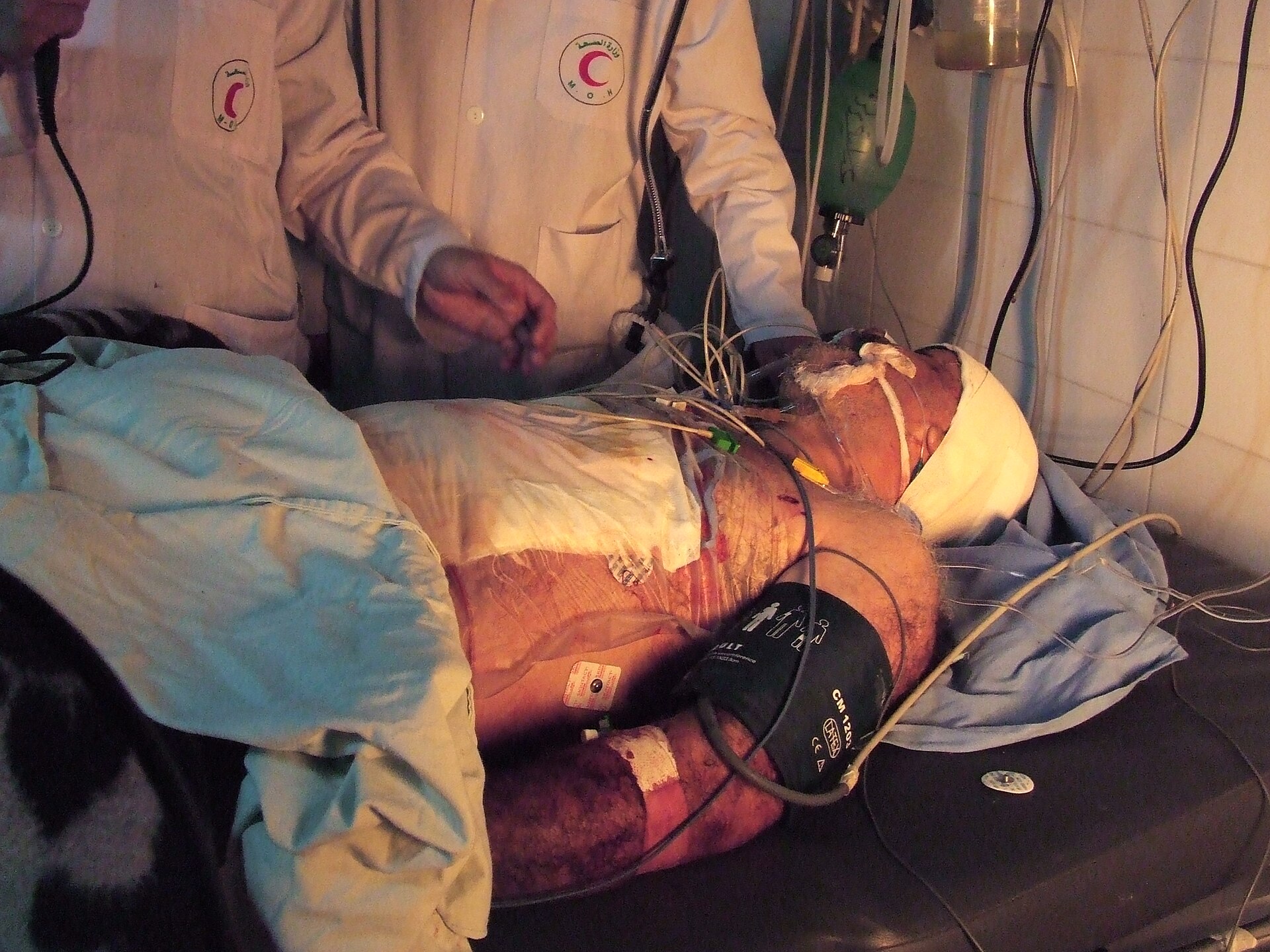
A pediatrician from Gaza has described his detention in stark terms, telling CNN that those holding him "brought me here to kill me," according to reporting published this week. The account adds to mounting concern among human rights advocates over the detention and treatment of Palestinian medical workers amid the ongoing war.
The doctor's words, relayed through CNN's reporting, offer a first-person window into an aspect of the conflict that international observers say has too often gone undocumented: the fate of the physicians, nurses and hospital staff who remained in Gaza to care for the wounded and who have since been swept up in detention.
For Atlanta — a city whose identity is bound up with the global health institutions headquartered here — the story lands close to home. The city is home to the Centers for Disease Control and Prevention, the Task Force for Global Health, the Carter Center, and Emory University's schools of medicine and public health, drawing physicians and researchers who have spent careers insisting that the protection of medical workers is a baseline of any civilized order. Atlanta's large and active human rights community, rooted in the legacy of the civil rights movement, has repeatedly pressed for accountability in conflicts far from Georgia.
Under international humanitarian law, medical personnel occupy a specially protected status. The Geneva Conventions require that doctors and nurses be allowed to carry out their work and be shielded from violence, and the detention or targeting of medical staff can constitute a violation of those protections. Human rights organizations — including the United Nations, Amnesty International, Human Rights Watch and Israeli monitoring groups such as B'Tselem — have repeatedly documented conditions inside detention facilities and called for independent access to those held.
The pediatrician's claim that he was brought to a facility to be killed, as reported by CNN, is the kind of testimony that human rights investigators say underscores the urgent need for outside monitoring. Advocates argue that when the accounts of detainees cannot be independently verified because journalists and rights groups are denied access, the risk of abuse rises and the possibility of accountability falls.
Atlanta Star is reporting this account based solely on the information made public in the original coverage. The identity, current condition and precise circumstances of the pediatrician's detention are matters that CNN has reported and that remain the subject of continuing scrutiny. We have not independently confirmed the doctor's account, and no fabricated details have been added here.
What is clear is that the testimony fits a broader pattern that global health and human rights institutions — many with deep ties to Atlanta — have been warning about: that the collapse of Gaza's medical system has been accompanied by the disappearance of the very people trained to keep it running. For a city that exports doctors and public health expertise around the world, the detained pediatrician's words are a reminder of how fragile those protections can become when the machinery of accountability is switched off.
Originally reported by Google News — Gaza.