
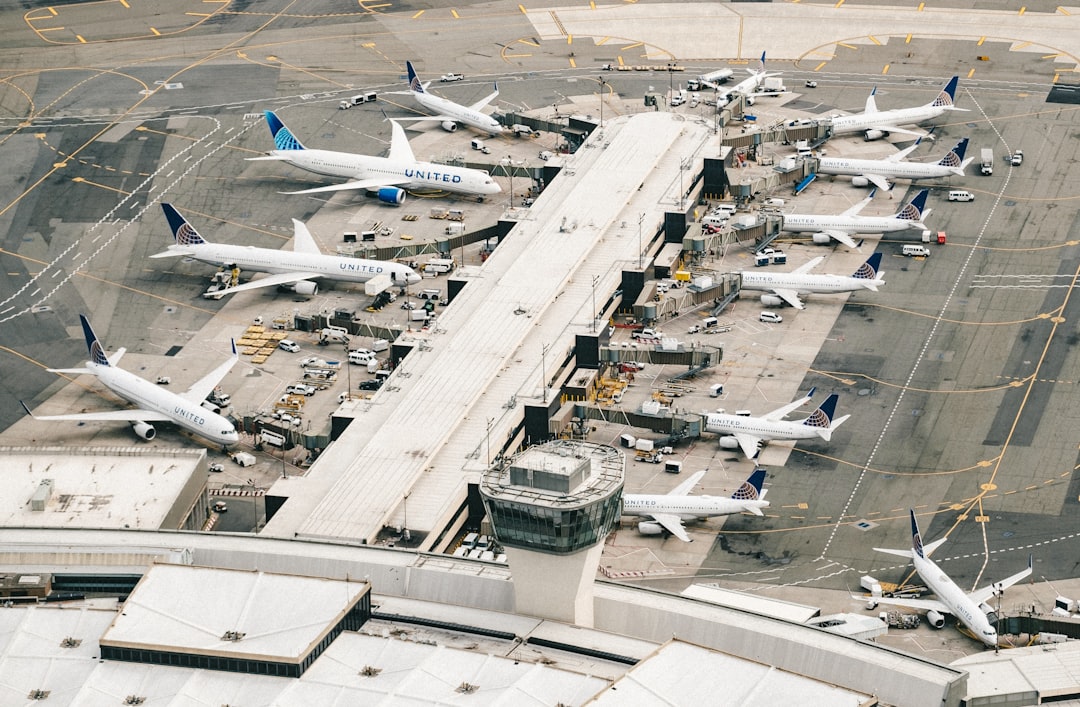
Delta Air Lines, Atlanta's hometown carrier and the dominant airline at Hartsfield-Jackson Atlanta International Airport, is in the throes of a severe operational crisis that has left travelers stranded and planes parked across the airfield. TheTravel reported the scene starkly: "Planes are parked everywhere." The disruption at the world's busiest airport underscores the fragility of air travel when a single carrier's network seizes up.
For the millions of passengers who pass through Hartsfield-Jackson each year, the cancellations have turned routine travel into a nightmare. Business travelers missing critical meetings, families separated during holiday periods, and essential workers unable to reach their destinations are among those caught in the chaos. The airport, which routinely handles more than 2,700 flights a day, relies heavily on Delta's operations; the airline controls roughly 70% of the airport's traffic. When Delta stalls, Atlanta stalls.
The Atlanta metro area's economy is deeply intertwined with Delta's performance. The airline employs tens of thousands of people in Georgia, from pilots and flight attendants to ground crews and corporate staff. Beyond direct employment, the airport itself is a massive economic engine, generating billions in economic impact and supporting hundreds of thousands of jobs across the region. A prolonged cancellation meltdown doesn't just inconvenience travelers; it ripples through hotels, restaurants, car rental agencies, and countless small businesses that depend on steady passenger flow.
While the specific cause of the current breakdown was not detailed in the initial report, such meltdowns often stem from a combination of factors: severe weather, air traffic control constraints, crew scheduling software failures, or staffing shortages. In recent years, airlines across the industry have been criticized for aggressive scheduling that leaves little buffer for disruptions. Delta, which has long marketed itself as a premium, reliable carrier, now faces the same scrutiny. Progressive observers in Atlanta have long called for stronger passenger protections and more resilient infrastructure investment at Hartsfield-Jackson to prevent cascading failures.
Passengers stranded at the airport have taken to social media to vent frustrations, sharing images of crowded terminals and endless lines. Many report waiting hours for rebooking, only to find no available seats for days. The Department of Transportation has rules requiring airlines to provide refunds for cancelled flights, but the process is often cumbersome, leaving travelers to navigate automated systems and long hold times.
Atlanta's city leadership and state officials have historically maintained a close relationship with Delta, which has its headquarters in the city. The airline has been a major corporate citizen, but this crisis raises questions about accountability. If the root cause is found to be within Delta's control—such as inadequate crew reserves or outdated IT systems—there may be calls for regulatory action. The Federal Aviation Administration and the Department of Transportation have been under pressure in recent years to enforce stricter consumer protections and to ensure airlines invest in operational resilience.
For now, Delta says it is working to reposition aircraft and crews to restore normal operations, but recovery from a large-scale cancellation event can take several days. Each cancelled flight displaces a crew and an aircraft, creating a domino effect that is difficult to unwind quickly. Airport officials have urged passengers to check flight status before heading to Hartsfield-Jackson and to consider alternate modes of transportation where feasible.
The situation at Atlanta's airport is a stark reminder of how concentrated the nation's air travel system has become. When a single airline controls an entire hub, a localized failure becomes a national problem. Delta's meltdown is not just a corporate inconvenience; it is a public infrastructure failure that demands a response. AtlantaStar will continue to follow this developing story and report on the impact on travelers and the broader community.