
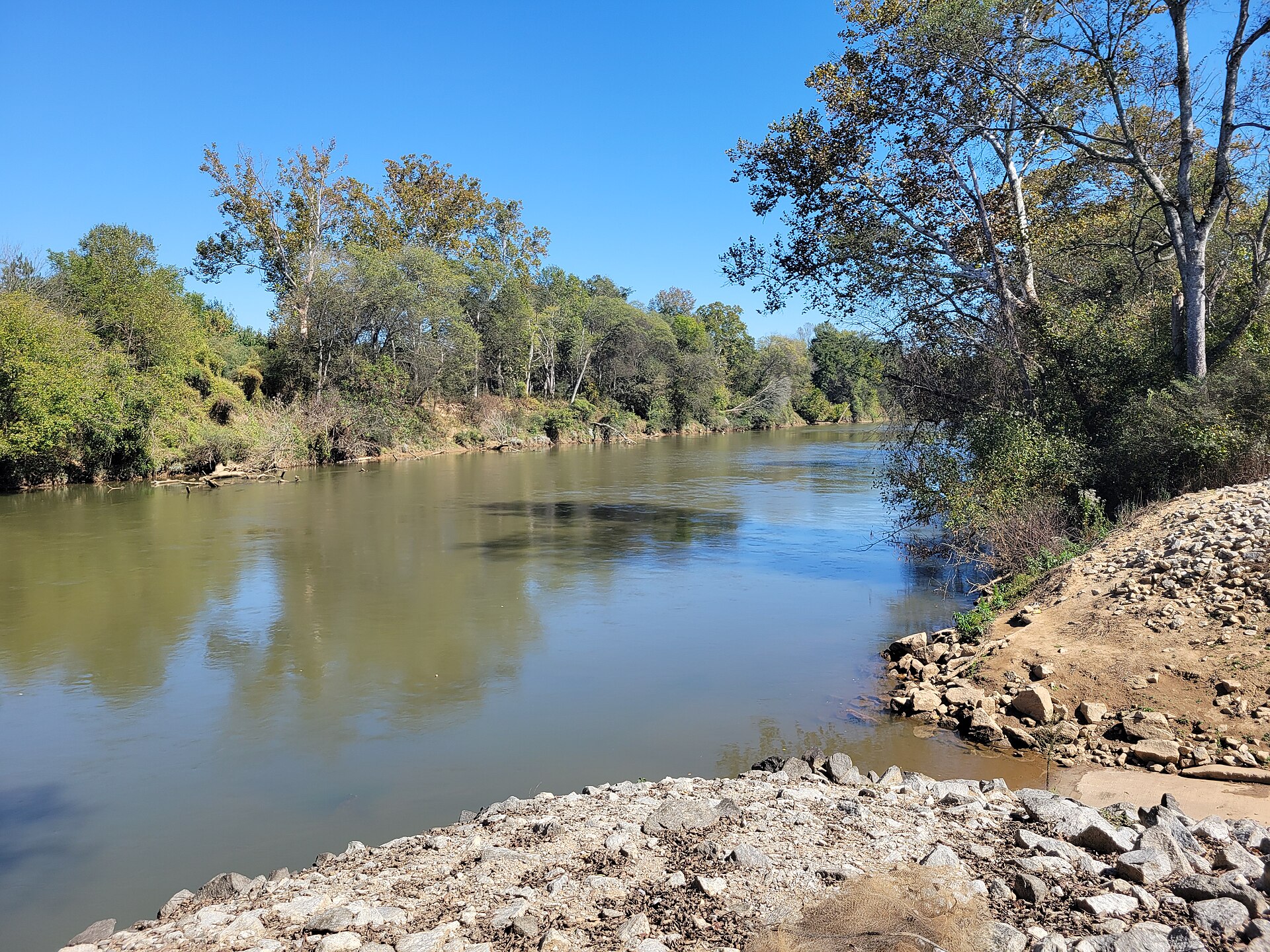
A massive die-off of fish along the Chattahoochee River ranks as the largest such event Georgia has recorded since 2011, according to a new report — a stark reminder of how fragile the metro area's signature waterway has become under mounting environmental pressure.
The Chattahoochee is the lifeblood of metropolitan Atlanta. It supplies drinking water to millions of residents across the region, feeds Lake Lanier upstream, and draws paddlers, anglers and hikers to its banks through the Chattahoochee River National Recreation Area. A fish kill of this scale on such a heavily relied-upon river is not a remote, rural event — it is unfolding in Atlanta's backyard.
Fish kills happen when something disrupts the basic conditions aquatic life depends on, most often a sudden crash in dissolved oxygen. While the report identifies this as the most significant death event in roughly 15 years, the underlying mechanics point to a vulnerability that climate change is steadily deepening across Georgia's rivers and streams.
Warmer water simply holds less oxygen. As Georgia summers grow hotter and longer, the water flowing through the Chattahoochee and the state's other rivers spends more of the year near the thermal limits that native fish can tolerate. Heat-stressed fish need more oxygen at exactly the moment the water is able to carry less of it. Layer in the heavier, more erratic rainfall that climate scientists have long projected for the Southeast — storms that flush pollutants, sediment and runoff into waterways in sudden surges — and the conditions for large-scale die-offs become more frequent and more severe.
That pattern is what makes this event resonate well beyond the riverbank. Georgia is already living the local consequences of a changing climate: intensifying heat waves across metro Atlanta, drought cycles that strain reservoirs, and downpours that overwhelm aging stormwater infrastructure. The Chattahoochee sits at the intersection of all of it.
The river also carries the cumulative burden of decades of growth. As Atlanta's footprint has expanded, more pavement means more heated runoff racing into the water after each storm, and a denser population places greater demand on a finite supply. Climate stress does not act alone — it compounds the everyday pressures of development, making a stressed system more likely to tip into crisis.
For Atlanta, the path forward runs through both adaptation and prevention. Protecting tree canopy and stream buffers along the Chattahoochee's tributaries helps keep water cooler and filters runoff before it reaches the main channel. Investing in green stormwater infrastructure — rain gardens, permeable surfaces, restored wetlands — slows the surges that starve the river of oxygen. And the broader energy transition, the shift away from the fossil fuels driving long-term warming, remains the only durable answer to the heat that is reshaping Georgia's waters.
Longtime advocates have spent years warning that the Chattahoochee's health is a barometer for the region as a whole. A die-off of this magnitude validates that concern in unmistakable terms. The fish that turned up dead are an early indicator species, signaling stress in a system that millions of Georgians ultimately drink from.
State environmental officials typically investigate fish kills to pin down a precise cause, and residents who encounter dead fish or other signs of distress along the river are generally urged to report them to the appropriate authorities. But the larger lesson of this event is already clear. As Georgia's climate continues to warm, protecting the Chattahoochee will require treating its resilience not as a given but as something the region must actively defend.
For a river that defines Atlanta's geography, its history and its future, the stakes could hardly be higher.
Originally reported by Google News — Atlanta.