
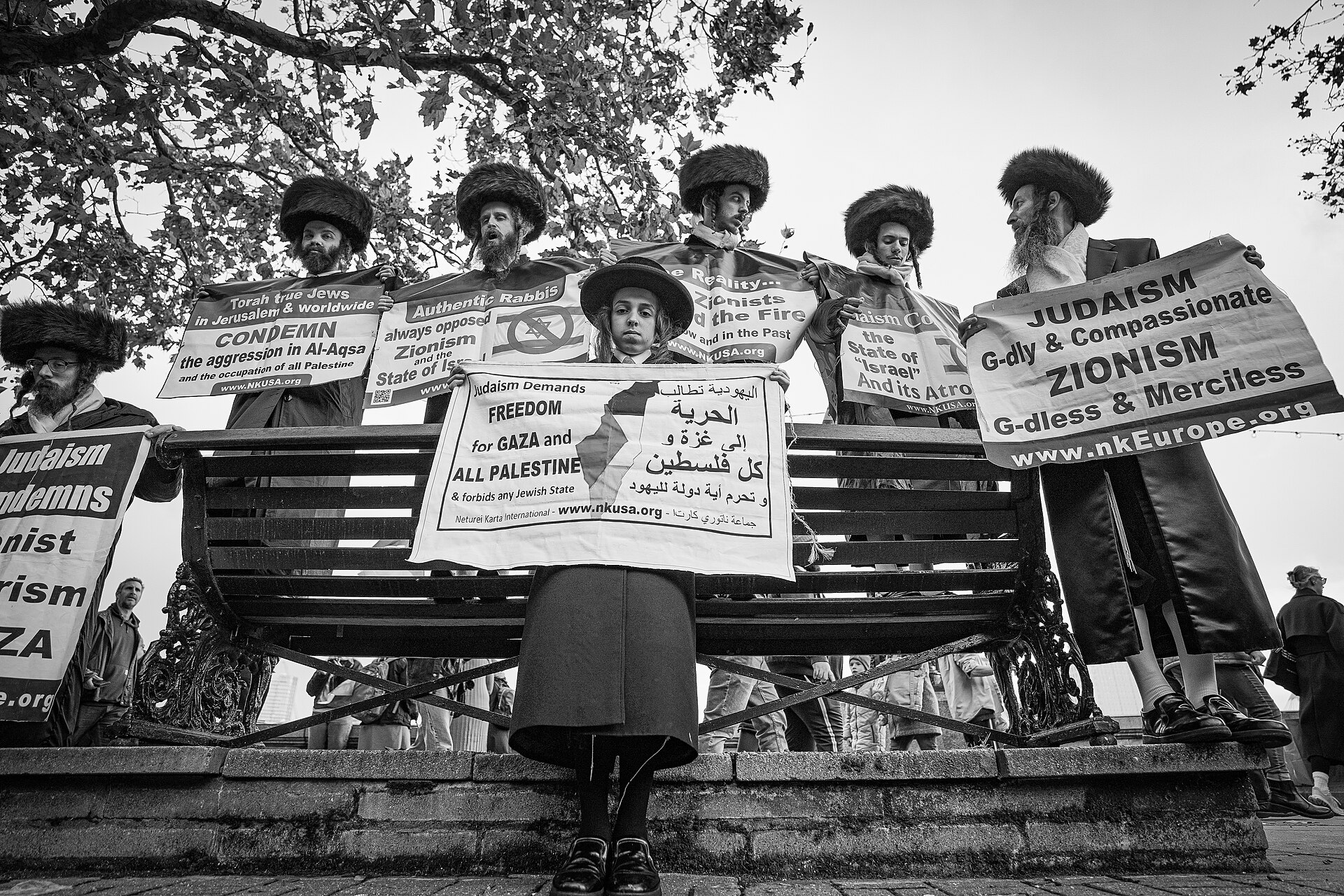
While much of the world's diplomatic attention has shifted toward the prospect of a deal with Iran, the day-to-day reality for Palestinians in Gaza and the occupied West Bank has not changed, according to a new analysis published this week by Al Jazeera.
The central argument is blunt: Israel's war on the Palestinians never stopped. What has changed, the piece contends, is the global news cycle. As negotiations and geopolitical maneuvering over Iran capture front pages and cable-news segments, the displacement, destruction and loss of civilian life across the Palestinian territories has slipped from sustained international view.
That framing speaks directly to a tension human rights advocates have raised throughout the conflict — that attention is not the same as accountability, and that the absence of headlines should not be mistaken for the absence of harm. International bodies and rights organizations, including United Nations agencies, Amnesty International, Human Rights Watch and Israeli groups such as B'Tselem, have spent years documenting civilian casualties, forced displacement, the destruction of homes and infrastructure, and the steady expansion of settlements across the West Bank. The analysis underscores that these dynamics continue regardless of which crisis happens to be commanding the world's focus in a given week.
The broader point is one about the architecture of international attention itself. Wars and humanitarian emergencies compete for a finite amount of public concern, and the communities living through them do not get to choose when the cameras arrive or when they leave. For Palestinians, the analysis suggests, the lulls in coverage have rarely meant lulls in violence — only quieter ones, less likely to provoke the diplomatic pressure that sustained scrutiny can generate.
That argument resonates in a city like Atlanta, where the legacy of the civil rights movement has long shaped how residents think about who gets seen and who gets overlooked. Atlanta is home to a vibrant community of advocates, faith leaders, students and organizers who have kept the question of Palestinian rights on the local agenda even as national headlines move on. From university campuses to community forums, Georgians across the political spectrum have wrestled with how the United States — Israel's most powerful ally — should weigh its commitments against the humanitarian toll documented by international observers.
The Iran question and the Palestinian question are not separate stories, the analysis argues, but threads in the same regional fabric. A deal with Tehran may dominate the diplomatic conversation, but it does not resolve — and may in fact obscure — the unresolved status of the occupied territories, the conditions in Gaza, and the international-law questions that rights groups have repeatedly raised about the conduct of the war.
For readers trying to make sense of a crowded and confusing news environment, the takeaway is a call to look past the noise. The metric that matters, the piece insists, is not how loudly a story is being told, but whether the people at its center are any safer than they were before. By that measure, it concludes, very little has changed.
The Atlanta Star will continue to follow developments in the region and the work of the human rights organizations documenting conditions on the ground, alongside the local voices pressing for accountability and a just resolution.
This report is based on an opinion and analysis piece. Originally reported by Al Jazeera — All News.