
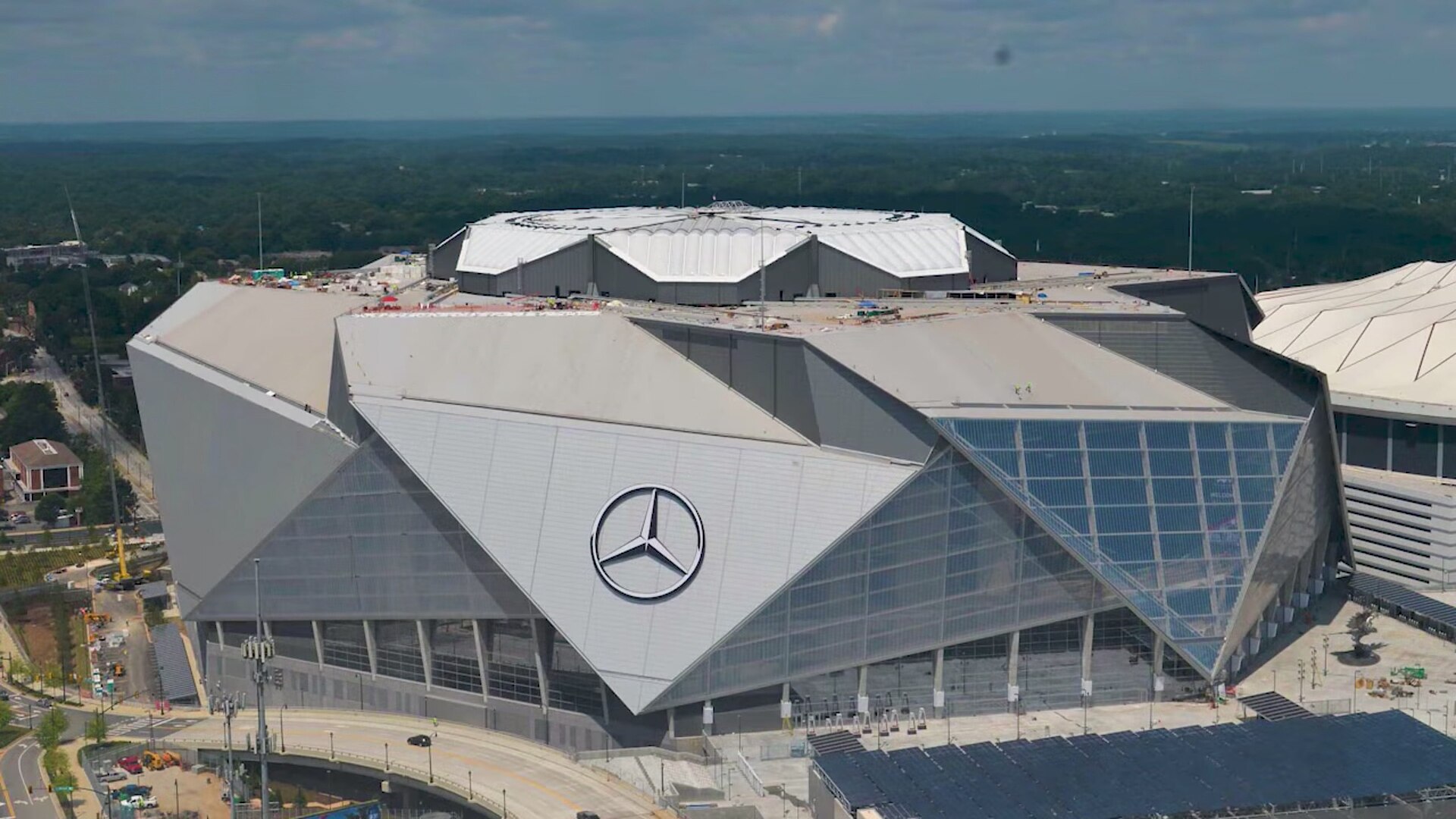
With the 2026 FIFA World Cup set to bring some of the world's largest crowds to Mercedes-Benz Stadium, the small businesses clustered around the venue are working to ensure the tournament's economic windfall reaches their storefronts — and not only the city's biggest downtown players.
The stadium, already a fixture of Atlanta's sports and convention economy, will serve as one of the marquee North American host sites for soccer's premier event. For the restaurants, retailers, and service operators in the surrounding neighborhoods, the tournament represents a rare concentration of international visitors and spending. But proximity to the stadium, business owners say, does not automatically translate into opportunity.
That tension — between a globally televised event and the local, often family-run enterprises in its shadow — sits at the heart of the conversation now unfolding across the blocks near the venue. As the tournament approaches, owners are seeking clearer pathways to vendor contracts, foot traffic, and the kind of visibility that large-scale events can generate for the businesses positioned to capture it.
For Atlanta, the stakes extend well beyond match days. The city has spent years positioning itself as a destination capable of hosting world-class events, from the Super Bowl to the College Football Playoff National Championship. Each has tested whether the economic benefits of a major event ripple outward into surrounding communities or pool around the stadium's immediate corporate footprint. The World Cup, with its weeks-long run and international audience, amplifies that question.
Neighborhoods near Mercedes-Benz Stadium — including the historically Black communities of Vine City and English Avenue on the west side of downtown — have long carried a complicated relationship with the venue. Promises of revitalization have accompanied major developments in the area for years, and residents and business owners have at times watched marquee events come and go without the lasting local investment they were told to expect. Against that backdrop, the push by small operators to claim a piece of the World Cup is also a push for accountability.
The broader economic case for hosting is significant. Major international tournaments draw visitors who fill hotels, restaurants, and transit systems, and they generate spending that organizers and city boosters frequently cite in the hundreds of millions of dollars. Yet economists and community advocates have repeatedly cautioned that those headline figures can obscure an uneven distribution of benefits, with the largest gains often accruing to established hospitality and entertainment interests rather than the independent businesses nearest the action.
For Atlanta's progressive civic leaders and equity advocates, the months before kickoff offer a window to shape that outcome. Decisions about vendor access, transportation routing, street activations, and local hiring will help determine whether the tournament leaves behind strengthened neighborhood economies or simply another reminder of who tends to benefit when global events arrive.
City officials have touted the World Cup as a generational opportunity to showcase Atlanta on an international stage. The businesses nearest the stadium are betting that the same spotlight can shine on them — if the structures are put in place to let it. Whether that happens will depend on choices made well before the first whistle, as the city weighs how to convert a month of global attention into durable, locally rooted growth.
The coming year will test whether Atlanta can deliver a World Cup that lives up to both its civic ambitions and its commitments to the communities surrounding its signature venue. For the owners working the blocks around Mercedes-Benz Stadium, the message is straightforward: the tournament is coming, and they intend to be part of it.