
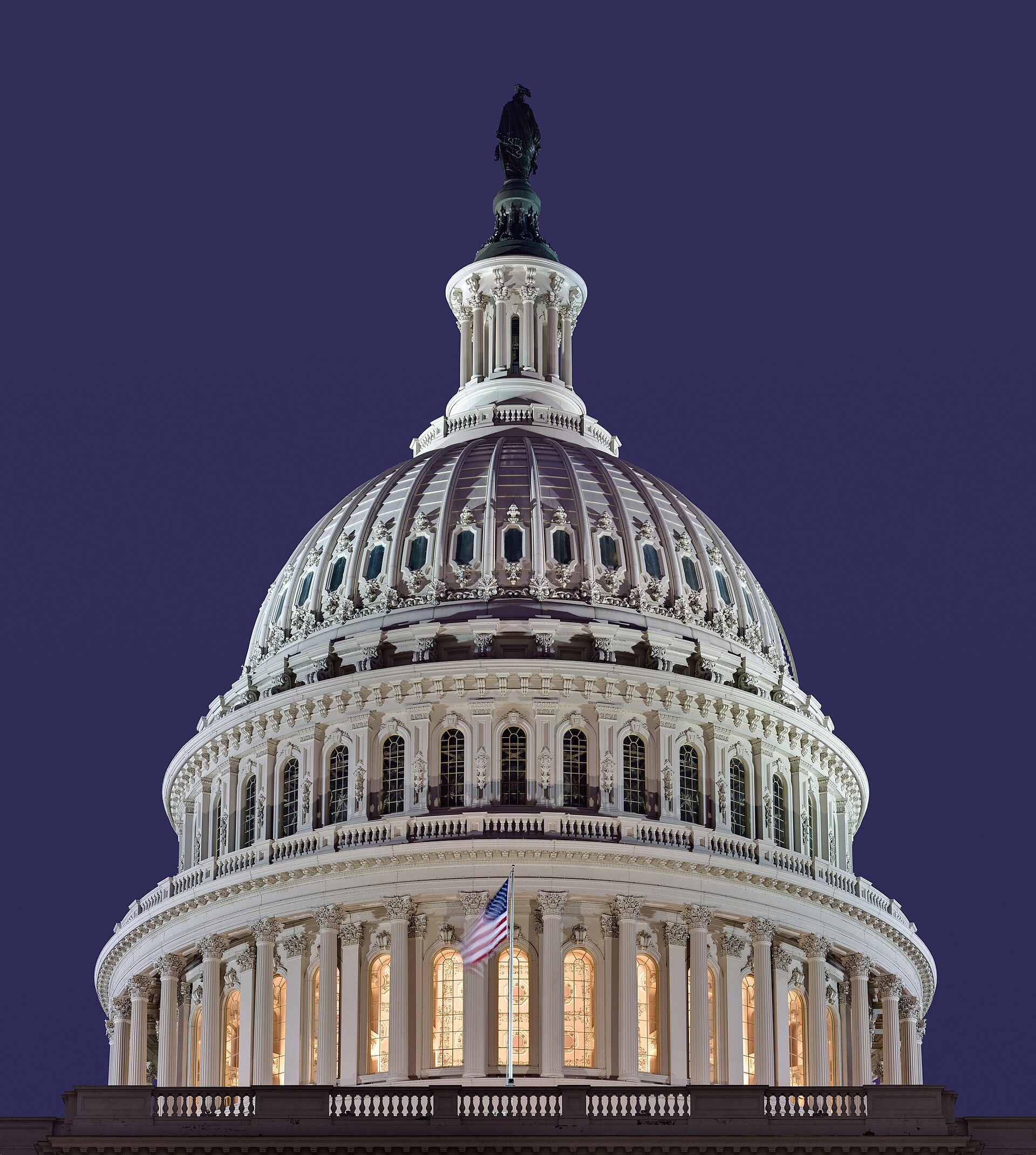
WASHINGTON — The U.S. House passed legislation on Thursday aimed at cracking down on university boycotts of Israel, a move that could place new federal scrutiny on Atlanta-area colleges and universities, Reuters reported.
The bill, which now moves to the Senate, would target academic boycotts of Israeli institutions — a central demand of the Boycott, Divestment and Sanctions movement. Proponents argue that such boycotts discriminate against Israeli scholars and undermine academic cooperation. Opponents, including civil liberties groups, say the measure threatens constitutionally protected speech and academic freedom.
Atlanta is home to a cluster of prominent research universities, including Emory University, Georgia Tech and Georgia State University, as well as the historically Black institutions of the Atlanta University Center: Morehouse, Spelman, Clark Atlanta and Morris Brown. These schools collectively receive hundreds of millions of dollars in federal research funding annually, making them potentially subject to any new federal compliance requirements tied to the legislation.
While none of Atlanta's major universities have enacted formal academic boycotts of Israel, student and faculty activists on several campuses have debated resolutions endorsing BDS in recent years. The House bill could raise the stakes for such discussions, threatening the loss of federal funds for institutions that adopt boycott policies.
The vote comes as Israel's military campaign in Gaza has drawn international condemnation. Human rights organizations, including Amnesty International and Human Rights Watch, have documented widespread civilian casualties and the forced displacement of nearly the entire population of Gaza. United Nations experts have accused Israel of war crimes and called for an arms embargo, while the International Court of Justice has ordered Israel to prevent acts of genocide.
Atlanta has a long history of student activism dating to the civil rights movement, and its universities have been sites of both pro-Israel and pro-Palestinian advocacy. For the city's academic community, the bill is likely to intensify debate over the boundaries between political advocacy and institutional policy. University administrators may face pressure to publicly disavow any boycott efforts, while pro-Palestinian student groups could see new challenges to their organizing.
The measure passed the House despite opposition from some Democrats who warned it conflates criticism of Israel with antisemitism. Its fate in the Senate remains uncertain. If enacted, the bill would mark a significant federal intervention into campus politics — with reverberations likely felt in Atlanta's lecture halls and research labs.