In Southwest Atlanta, where rising rents and redevelopment have reshaped block after block, two sisters are leaning on something that can't be bought or rezoned: their family's legacy.
As first reported by 11Alive, the pair are using their roots in the community to organize neighbors, strengthen local ties, and push back against the displacement that has pressured longtime residents across the area. Their work reflects a question many Atlanta families are now confronting — how to stay, and help others stay, in neighborhoods where the cost of belonging keeps climbing.
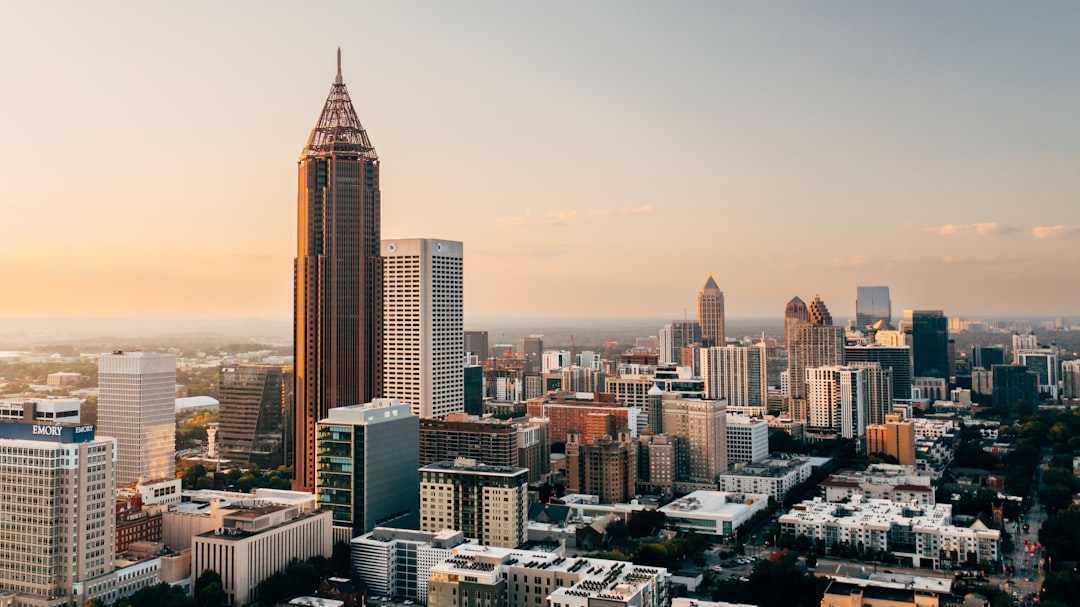
Southwest Atlanta has long been a cornerstone of the city's Black history and culture, home to generations of families, churches, and small businesses. In recent years, it has also become one of the metro's most closely watched fronts in the fight over gentrification. New investment has brought renovated homes and fresh development, but it has also brought higher property values, steeper tax bills, and the quiet exit of residents who can no longer afford to remain. For families who have lived in these neighborhoods for decades, the changes can feel less like progress and more like erasure.
Against that backdrop, the sisters' approach is rooted in continuity rather than newcomer ambition. By building on a family legacy already woven into the community, they are positioning themselves not as outside saviors but as neighbors invested for the long haul. That distinction matters in Southwest Atlanta, where residents have grown wary of outside capital that arrives promising revitalization and leaves behind a transformed — and often unaffordable — landscape.
The story is a familiar one across Atlanta. From the BeltLine's eastside corridors to historic Westside neighborhoods like Vine City and English Avenue, the same tension plays out: how a growing, prosperous city can expand without pricing out the very residents who gave its neighborhoods their identity. Community land trusts, anti-displacement funds, and grassroots organizing have all emerged as responses, but the most durable resistance often starts smaller — with people who simply refuse to leave and who help their neighbors do the same.
That is the space the sisters occupy. Their efforts to build community — connecting residents, preserving a sense of place, and keeping family ties anchored in the neighborhood — function as a form of resistance in themselves. Displacement, after all, is not only economic. It is also social, dissolving the relationships and shared history that make a neighborhood more than a collection of addresses. By reinforcing those bonds, community-builders can slow the unraveling that often precedes a wave of departures.
Their work also speaks to a broader truth about who tends to carry the weight of preservation in changing cities. Across Atlanta, women — and often Black women in particular — have repeatedly been the organizers, caretakers, and institutional memory holding neighborhoods together through periods of upheaval. The sisters' story adds to that long tradition, framing the family as both inheritance and instrument: something passed down, and something put to work.
For Atlanta, the stakes extend well beyond a single set of blocks. The city's ability to grow while honoring its history will be measured in places exactly like Southwest Atlanta, and in the decisions of residents who choose to stay and fight for their neighbors. Policymakers can shape the conditions — through affordable housing, property-tax relief, and protections for legacy homeowners — but the day-to-day work of holding a community together still falls to the people who live there.
The sisters' efforts are a reminder that displacement is not inevitable, and that the future of a neighborhood is not decided by market forces alone. It is also decided by who shows up, who organizes, and who turns a family name into a reason to stay.
Originally reported by Google News — Atlanta.