
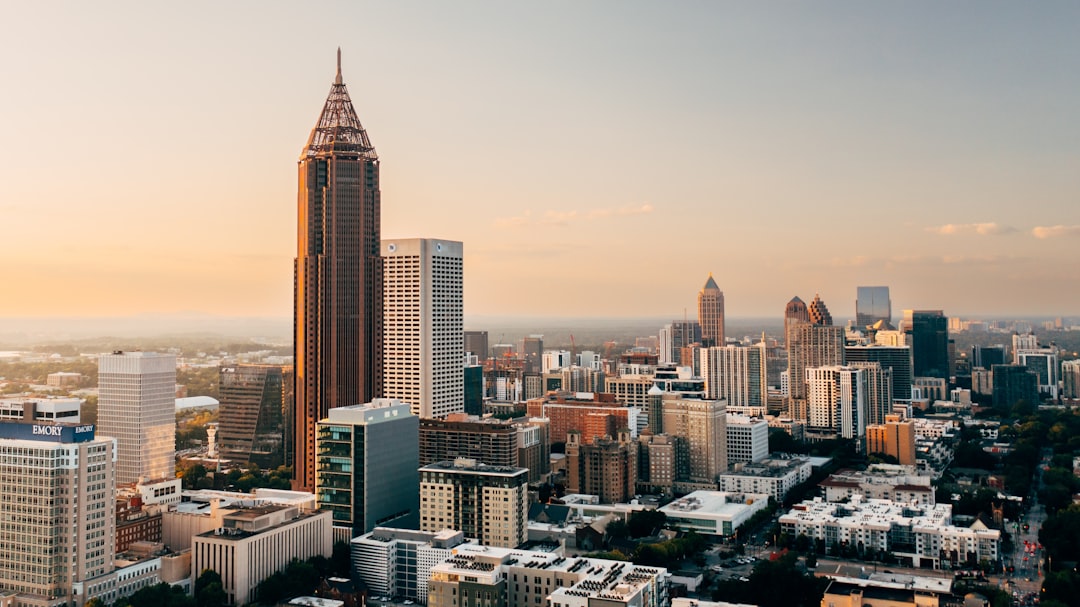
Atlanta is opening a cooling center this week as dangerously high temperatures continue to bake Georgia, city officials say — a stark reminder that extreme heat is no longer an occasional summer nuisance but a recurring public-health emergency for the region.
The move to open a climate-controlled refuge comes as hazardous heat blankets communities across the state. Cooling centers give residents without reliable air conditioning — including older adults, people experiencing homelessness, outdoor workers and those with chronic health conditions — a place to escape temperatures that can turn deadly within hours.
For Atlanta, the decision underscores a pattern that climate scientists have long warned would define the Southeast: hotter, longer and more frequent heat waves. Extreme heat is already the leading weather-related killer in the United States, and Georgia's dense urban core is especially vulnerable. Asphalt, rooftops and a shortage of tree canopy in many neighborhoods create an 'urban heat island' effect, pushing city temperatures several degrees higher than surrounding areas — with the heaviest burden falling on lower-income communities that historically received less green infrastructure investment.
The stakes extend well beyond Atlanta's city limits. Sustained high temperatures strain Georgia's agricultural backbone, threatening peaches, pecans, cotton and poultry operations that anchor the rural economy. Farmworkers face rising risks of heat exhaustion and heatstroke during peak harvest months, while livestock and crops wilt under prolonged stress. Along the coast, warming waters and rising seas compound the pressure, feeding stronger storms and worsening flooding in places like Savannah and Brunswick.
Heat waves also test Georgia's power grid at the exact moment residents need it most. As millions crank up air conditioning simultaneously, demand spikes, raising the risk of strained infrastructure and higher energy bills for households already stretched thin. That dynamic has sharpened calls across the state for a faster, more resilient energy transition — expanding solar capacity, modernizing the grid and weatherizing homes so that cooling remains both available and affordable when the thermometer climbs.
Cooling centers are a critical short-term shield, but public-health experts frame them as a symptom, not a solution. The centers treat the immediate danger; they do not address why dangerous heat is arriving earlier, lasting longer and reaching higher peaks than in decades past. Rising global temperatures, driven by greenhouse gas emissions, are loading the dice toward more extreme summers — and Georgia sits squarely in the path.
For Atlanta residents, the practical guidance during a heat emergency remains consistent: stay hydrated, limit strenuous outdoor activity during the hottest parts of the day, never leave children or pets in parked vehicles, and check on elderly neighbors and those living alone. Anyone experiencing dizziness, nausea, confusion or a rapid pulse should seek cool shelter and medical help immediately, as these can be signs of heat-related illness.
Advocates for climate resilience argue that a city as large and fast-growing as Atlanta needs to build heat protection into its long-term planning — not just react when the forecast turns dangerous. That means investing in shade and tree canopy in the neighborhoods that need it most, expanding the number and reach of cooling centers, protecting outdoor workers with enforceable heat standards, and accelerating clean-energy projects that reduce both emissions and grid strain.
As this week's heat wave settles over Georgia, the cooling center opening in Atlanta offers immediate relief to those most at risk. But the broader question it raises is likely to return with every summer: how a warming state adapts to a climate that is making its hottest days hotter — and more frequent.
Originally reported by Google News — Atlanta.