
Atlanta is set to take center stage in the world's most-watched sporting event. The city will host eight matches during the 2026 FIFA World Cup, including one of the tournament's semifinals, according to organizers.
The slate of eight games places Atlanta among the busiest of the North American host cities for next year's expanded tournament, which for the first time will feature 48 national teams competing across the United States, Mexico and Canada. Earning a semifinal is a particular coup, reserved for only a handful of venues and guaranteeing that some of the deepest-advancing teams in the competition will play in front of an Atlanta crowd.
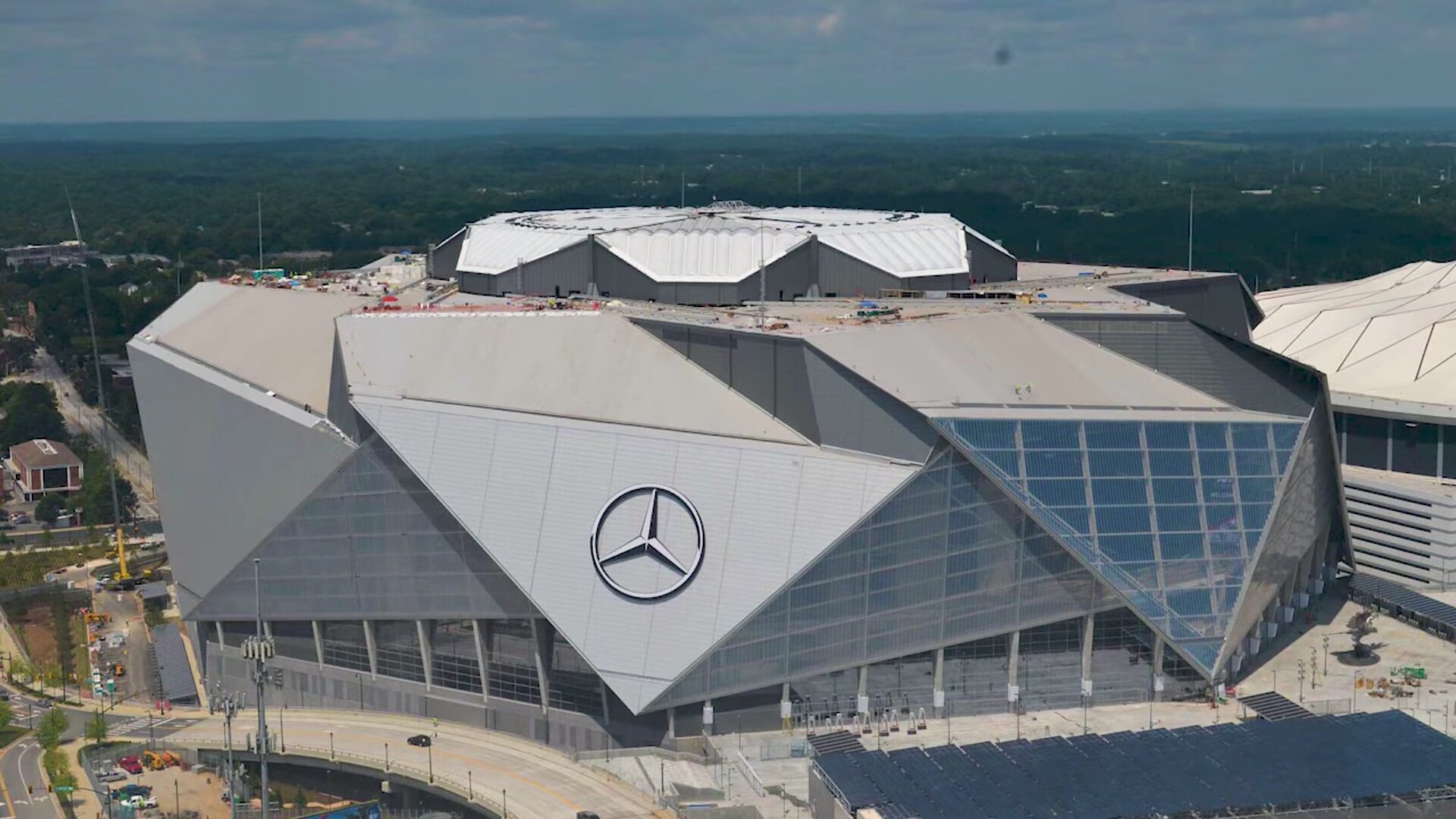
The matches are expected to be played at Mercedes-Benz Stadium, the downtown venue that has already proven its ability to handle marquee global events. The retractable-roof stadium has hosted a Super Bowl and the College Football Playoff National Championship, and it serves as home to Major League Soccer's Atlanta United FC, the club that helped report news of the city's hosting role. Atlanta United has consistently ranked among the highest-drawing clubs in MLS, a reflection of the deep, diverse soccer culture that has taken root across the metro region.
For a city that has steadily built its reputation as a destination for international sport and culture, the World Cup represents an opportunity on a scale few events can match. The tournament routinely draws billions of viewers worldwide across its month-long run, and host cities typically see waves of visiting fans, journalists and officials arriving from every corner of the globe. That kind of attention tends to translate into activity for hotels, restaurants, transit and small businesses well beyond the stadium gates.
The responsibility also raises real questions for Atlanta's planners and residents. Hosting eight matches, including a high-demand semifinal, will test the region's transportation network, public safety coordination and hospitality capacity during a concentrated stretch of the 2026 calendar. How well the city manages crowds, MARTA service, traffic and access for everyday Atlantans will shape whether the tournament is remembered as a unifying civic moment or a logistical strain.
There is also a community dimension that progressive Atlantans are likely to watch closely. Mega-events of this size have historically prompted debate over who benefits from the public investment and visibility they generate. Advocates often press for the economic momentum to reach neighborhoods and workers across the city — not just the corridors immediately surrounding the stadium — and for hosting to leave durable benefits rather than temporary spectacle.
For now, the headline is one of pride and anticipation. A semifinal berth signals that FIFA views Atlanta as capable of delivering on one of the tournament's most important nights, an acknowledgment of the infrastructure and fan base the city has assembled over the past decade. With Atlanta United supplying a ready-made soccer audience and Mercedes-Benz Stadium offering a proven big-event venue, the metro area enters the World Cup buildup positioned as a genuine hub of the action.
The months ahead will bring more detail about match dates, the specific teams Atlanta will see and the operational planning required to pull it all off. What is already clear is that in the summer of 2026, the eyes of the soccer world will turn repeatedly toward Atlanta — eight times over, with at least one of those nights carrying a place in the final four.
Originally reported by Google News — Atlanta.