
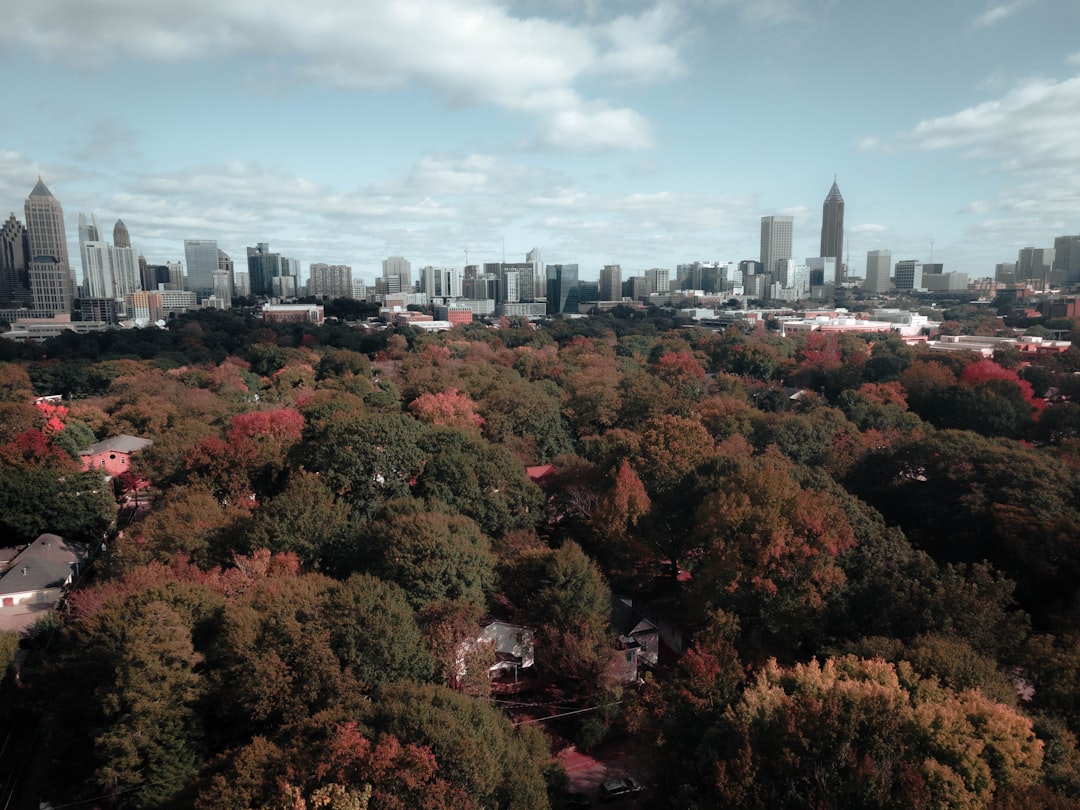
Atlanta is heading into a weather season that may be shaped by a powerful climate pattern developing in the Pacific Ocean. ABC News reports that a potentially historic El Niño is taking shape, with far-reaching impacts expected across the United States and around the world.
El Niño is a natural climate phenomenon marked by warmer-than-average sea surface temperatures in the central and eastern tropical Pacific Ocean. That warming can alter atmospheric circulation, shifting storm tracks and influencing temperature and precipitation patterns far beyond the Pacific. When the pattern is strong, as current signals suggest, the effects can be especially widespread.
For Georgians, the ABC News report did not provide a city-by-city forecast, but broad U.S. impacts often include the Southeast. Historically, El Niño events can tilt the odds toward wetter conditions across the southern tier of the country, including parts of Georgia, although every event unfolds differently. That means metro Atlanta could see changes in rainfall, cloud cover and temperatures in the months ahead.
Such shifts matter for the Atlanta region. Wetter periods can ease drought concerns but also raise the risk of localized flooding, saturated soils and storm-related disruptions. Cooler-than-average temperatures could affect energy demand and strain heating systems, while milder conditions in some El Niño years can alter seasonal norms. Farmers and agricultural producers across Georgia often watch El Niño signals closely because precipitation timing can influence planting, crop development and harvest schedules.
Globally, El Niño can influence monsoon patterns, drought and flood risks, and water availability in different regions. The current event is drawing attention because of its potential strength and because those effects can ripple across economies, food systems and supply chains. Still, no two El Niño events are identical, and the report emphasized that many factors shape seasonal outcomes.
For Atlanta, the practical takeaway is to pay attention to local forecasts and official climate outlooks as the picture becomes clearer. The city's infrastructure, transportation networks and emergency planners often use seasonal guidance to prepare for winter storms, heavy rain or extended dry spells. While no individual event is certain, the developing El Niño is a reminder that weather patterns can have wide-ranging effects well beyond the Pacific Ocean.
Originally reported by Google News — World. Source: https://news.google.com/rss/articles/CBMimgFBVV95cUxNcnowa0tCUFVEZFc1RXprT2JxYS1PVGRQR3BrMUt6V1ByODd2aG5LSlIyRm03MkozZ2ZkS3ZXLVdRX1Q4V2ZFRENjMUNZb0FXUzVSU2NEbTlhQ08tblJmcWE3ZzFzVlc3cVNMMElXVDZwLVNWYk9HRDU3ZFZISDM0ZzJYR3VTNVJibjlYdmVZTTc4WG1hcHpmQXNR0gGfAUFVX3lxTE9JckxmUjN2amRtbDJUS25xZE9XZkxuMDdtNkNBUUVmMmJlSGtZbHV5LXh0d043TEZpczNrM3RfWlF6VVdRWUNSTjRkSEpNNUFJSkxkUWtPa0FjNmowS1dzX1Roanh2Qm8tZW9LbWZ6MG84bnFVTkVLQUJGeHZ5WXpzb0pSa294ckx3LWdTTTNadklORVFVRzU0R0ZSbHBlZw?oc=5