
Metro Atlanta is bracing for a scorching, triple-digit heatwave over the July 4th weekend, forecasters warn, as holiday crowds prepare to gather outdoors for cookouts, parades and fireworks across the region.
The extreme heat arrives at one of the busiest outdoor stretches of the year for Georgia families, raising the stakes for anyone planning to spend the holiday under the open sun. When temperatures climb into the triple digits, even short periods outside can strain the body, and the risk of heat exhaustion and heat stroke rises sharply for children, older residents, outdoor workers and people without reliable access to air conditioning.
For Atlanta, this weekend's forecast is not an isolated event so much as a preview. Heat is the deadliest form of extreme weather in the United States, and climate scientists have long warned that a warming planet is making dangerous heatwaves more frequent, more intense and longer-lasting across the Southeast. Georgia, with its humid summers and rapidly growing metro population, sits squarely in the path of that trend.
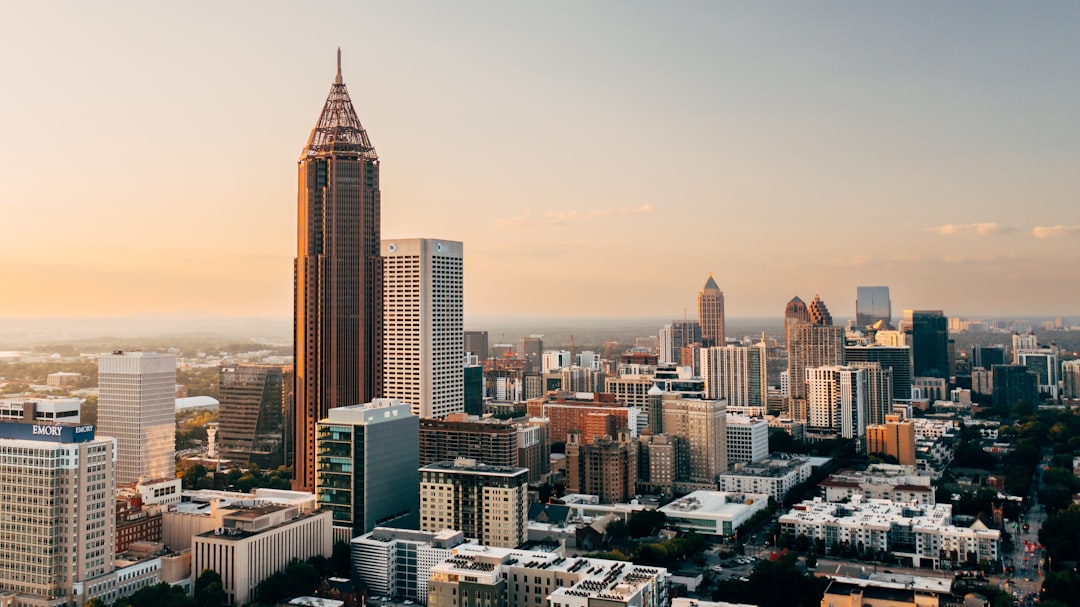
The danger is amplified in the city itself. Dense corridors of asphalt, concrete and rooftops absorb and re-radiate heat, creating an "urban heat island" effect that can leave neighborhoods several degrees hotter than surrounding rural and tree-shaded areas. In Atlanta, that heat is not distributed evenly. Lower-income neighborhoods and communities of color often have less tree canopy and fewer cooling resources, meaning the same heatwave lands hardest on the residents least equipped to escape it.
The consequences ripple well beyond personal discomfort. Prolonged high temperatures drive up demand on the regional power grid as air conditioners run around the clock, increasing the risk of strained supply and outages at the very moment cooling is most critical. Extreme heat also stresses Georgia agriculture, threatening crops and livestock across a state where farming remains a cornerstone of the rural economy. And soaring summer temperatures compound the broader climate pressures already facing Georgia, from more volatile severe weather to rising flood risk along the state's coast.
Public health officials routinely urge residents to take triple-digit heat seriously. Standard guidance during a heatwave includes staying hydrated, limiting strenuous activity during the hottest afternoon hours, checking on elderly neighbors and relatives, never leaving children or pets in parked vehicles, and seeking out air-conditioned spaces such as libraries and designated cooling centers. Holiday revelers are encouraged to plan outdoor activities for early morning or evening and to watch closely for warning signs of heat illness, including dizziness, nausea, confusion and a rapid heartbeat.
The heatwave also underscores the longer-term questions facing Atlanta and the state as a whole. As punishing summers become the norm rather than the exception, city planners, utilities and community advocates are increasingly focused on adaptation and resilience — expanding tree canopy, cooling public spaces, hardening the grid and accelerating the transition to cleaner energy that could help slow the warming driving these extremes. Investments in shade, weatherization and reliable cooling access are emerging as frontline defenses in a climate that is no longer hypothetical but immediate.
For this weekend, though, the message from forecasters is more direct: the heat will be dangerous, and Atlantans should prepare accordingly. Whether firing up the grill, lining up for a parade or waiting for the fireworks to begin, residents are advised to build breaks, water and shade into their holiday plans — and to keep a close eye on the most vulnerable among them.
As the July 4th weekend approaches, Atlanta's holiday will be defined not only by celebration but by caution, a reminder that Georgia's summers are growing hotter and that the region's response to extreme heat is becoming a defining challenge of a changing climate.
Originally reported by Google News — Atlanta.