
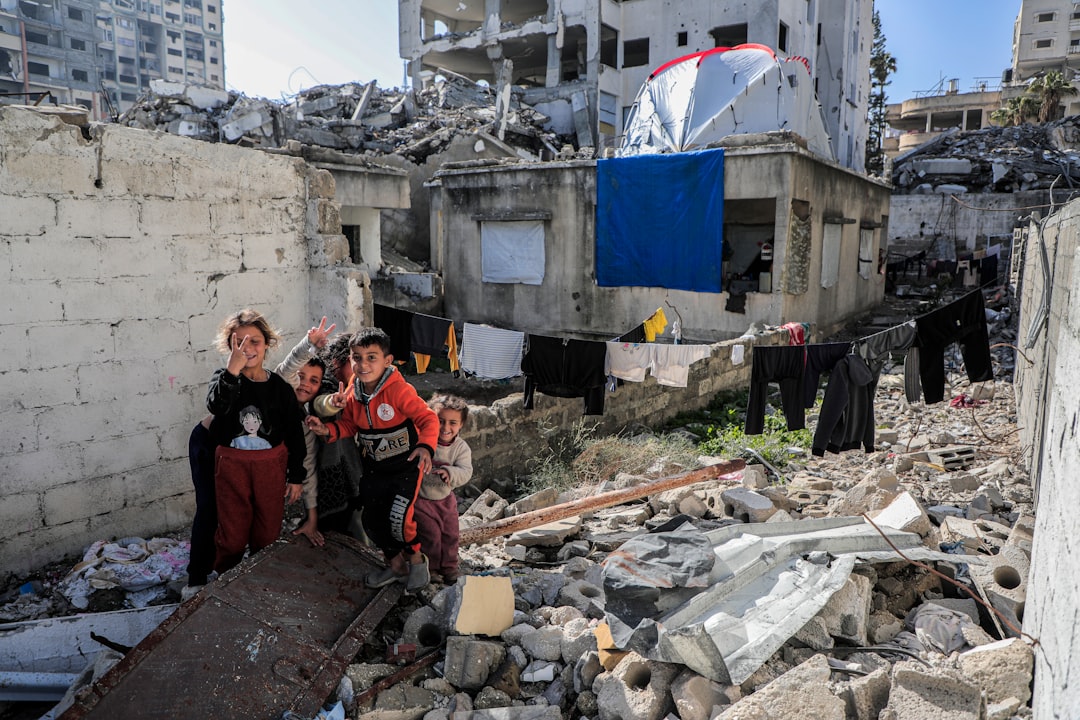
At least seven Palestinians were killed by Israeli forces in the Gaza Strip over a 48-hour period, Al Jazeera reported, adding to a mounting civilian death toll that human rights organizations have repeatedly cited in calls for accountability under international law.
The reported killings underscore the continued lethal toll on Palestinian civilians in Gaza, a territory where humanitarian conditions have drawn sustained condemnation from United Nations agencies and independent monitors. While details on the circumstances of each death were not fully specified in the initial reporting, the deaths add to a broader pattern of civilian casualties that groups including Amnesty International, Human Rights Watch and the Israeli rights organization B'Tselem have documented over the course of the conflict.
For readers in Atlanta, the news may feel geographically distant, but it resonates within a metro area that is home to a diverse and civically engaged population, including Palestinian, Arab American, Muslim and Jewish communities that have followed the war in Gaza closely. Advocacy organizations across the city have organized vigils, teach-ins and calls to members of Georgia's congressional delegation, pressing for a ceasefire, humanitarian access and adherence to international humanitarian law.
The framework of international law is central to how human rights bodies assess incidents like these. Under the Geneva Conventions, parties to an armed conflict are obligated to distinguish between combatants and civilians and to take all feasible precautions to spare civilian lives. When civilians are killed, rights organizations and legal scholars call for transparent, independent investigations to determine whether the laws of war were violated. The UN has repeatedly warned that the scale of civilian harm in Gaza raises grave concerns that warrant accountability mechanisms.
Civilian casualties in Gaza have become one of the defining humanitarian issues of the conflict. Aid organizations have described conditions in the enclave — where access to food, clean water, medical care and safe shelter has been severely constrained — as catastrophic. Each new report of deaths, including the seven cited by Al Jazeera, deepens the humanitarian emergency and intensifies international calls for a durable end to the fighting.
The reporting on these latest deaths reflects the essential role of journalists in documenting the war. Independent and on-the-ground reporting from Gaza has been critical to informing the public about the human cost of the conflict, even as press freedom advocates have raised alarms about the extraordinary dangers facing journalists working in the territory. Primary-source documentation — from reporters, medical workers and rights monitors — forms the evidentiary basis that international bodies rely upon when assessing potential violations.
In Atlanta, the conflict has also shaped local political conversations. Georgia voters have raised the war in Gaza in town halls and campaign forums, and members of the state's congressional delegation have faced questions about U.S. policy, military aid and support for humanitarian relief. For many Atlantans with family ties to the region, the reports of deaths are not abstract statistics but a source of grief and urgency.
As the death toll continues to climb, the demands from the international human rights community remain consistent: an immediate protection of civilians, unimpeded humanitarian access, and independent investigations into incidents involving civilian deaths. The seven Palestinians reported killed over the past two days are, for advocates in Atlanta and beyond, a reminder of the human stakes behind the headlines — and of the ongoing call for accountability under international law.
AtlantaStar will continue to follow developments in Gaza and their reverberations within Atlanta's communities.
Originally reported by Google News — Gaza.